Marketing
Sensory, Authentic, Actionable: Content Rules for New Food Businesses
As customer behaviour shifts faster than ever, food and beverage brands must rethink content marketing to earn attention, build trust, and drive measurable results — and fresh data proves that a strategic approach works.
In 2026, the food and beverage sector is louder than ever. New brands launch daily, influencer fatigue is real, and consumers have become ruthless editors of their own attention. The question every marketing leader is asking is no longer "Should we invest in content?" but "How do we create content that actually converts?"
The answer isn't more volume. It's more precision. Content marketing that converts in food and beverage requires a sensory-first strategy rooted in brand clarity, audience psychology, and measurable execution. And the proof isn't theoretical — it's walking in the door for brands that get it right.
Why Generic Content Fails in F&B
The food and beverage industry is uniquely visual and emotional. Consumers make snap decisions based on how a product looks, how it makes them feel, and how it fits into their identity. But too many brands treat content as a checklist: a blog post here, an Instagram story there, a product shot on the website.
That scattergun approach rarely converts. Without a coherent narrative tying every piece of content to a core brand promise, audiences scroll past. Worse, inconsistent or generic content erodes trust — and trust is the currency of purchase decisions for anything you eat or drink.
A powerful content engine must start with audience intent. Who are you speaking to? What problem does your product solve — not just functionally, but emotionally? When your content answers those questions before the audience even asks them, you don't just get likes. You get customers.
The New Rules: Sensory, Authentic, Actionable
In 2026, content marketing that converts follows three unbreakable rules:
1. Sensory storytelling. Food is experienced, not just consumed. The most effective content evokes taste, smell, texture, and temperature — even through a screen. Video, rich photography, and well-crafted copy that describes the eating experience can trigger salivation and desire. Brands that master this emotional connection see higher dwell time and significantly better click-through rates.
2. Authenticity over polish. This doesn't mean sloppy production; it means content that feels real. Behind-the-scenes footage, chef demonstrations, user-generated content, and honest ingredient sourcing stories outperform highly produced ads. Consumers want to see the people behind the product, the process, and the passion.
3. Clear calls to conversion. Every piece of content needs a purpose. Whether it's driving a newsletter signup, a direct purchase link, or a store locator visit, the path must be obvious and frictionless. Content that entertains without a conversion point may build brand awareness, but it won't build a business — especially for new entrants.
Real Results: The Proof Is in the Plate
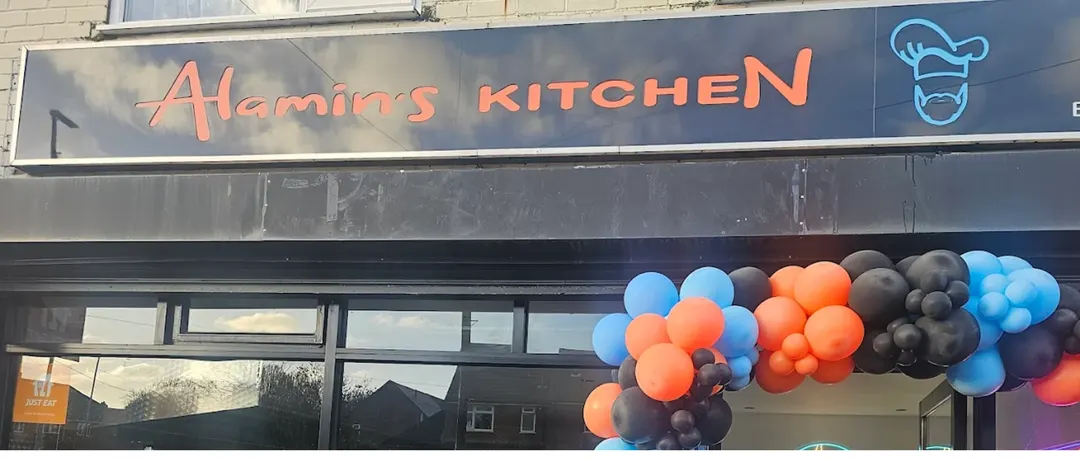
Consider the real-world example of Alamin's Kitchen, a brand new food business that entered a highly saturated market with zero existing audience, digital presence, or brand recognition. The risk of being invisible was enormous. Yet within the launch phase, Centauri's content marketing strategy turned that challenge into a concrete outcome.
By deploying high-quality, sensory-driven content — rich visuals, compelling product stories, and cohesive brand application across digital and physical touchpoints — Alamin's Kitchen went from unknown to top-of-mind in their local market. The content wasn't just decoration; it was the primary vehicle for introducing the brand, telling its story, and building the trust needed to convert curious onlookers into repeat customers.
The full details of this transformation are available in the full case study, where the specific numbers demonstrate exactly how content marketing drove measurable conversion for a launch-stage brand.
Building a Content Engine That Sells
For food and beverage brands looking to replicate that success, the formula is repeatable. It starts with an audit of your existing content assets and a clear map of your customer journey. Where are the gaps? Where are you losing people? What stories haven't you told?
Next, invest in a content calendar that balances hero content (big, shareable pieces like a brand documentary or recipe series) with daily serving-size content (quick tips, ingredient highlights, customer stories). Consistency — not volume — builds the familiarity that feeds conversion.
Then, tie every piece of content to a measurable outcome. Use unique codes, landing pages, and tracking links to see which stories drive the most action. A/B test formats. Listen to your audience's comments and questions; they are often your best source of content ideas.
The Future Is Flavourful
Content marketing in food and beverage will only become more competitive. But brands that treat their content as their most strategic asset — not an afterthought — will be the ones that thrive. Whether you're launching a new product or defending an established market share, the brands that convert are the ones that tell compelling, authentic, and sensory stories that make people not just look, but act.
For expert marketing services (opens in a new tab) that turn content into conversions, Centauri's team combines strategic thinking with creative execution to help food and beverage brands stand out and sell more.