Marketing
Content Marketing That Converts: Retail 2026 Trends and Tactics
The brands that will win in 2026 are the ones that stop shouting and start connecting — using precision storytelling, authentic consistency, and content that turns digital reach into real-world revenue.
The Shift from Volume to Value
For years, retail content marketing was a numbers game: post more, boost more, chase more clicks. But the customer has changed. By 2026, the average shopper will have seen well over a million ads in their lifetime. They’re immune to noise. They’re allergic to gimmicks. What they crave — and what converts — is content that feels less like an ad and more like a service.
This isn’t about going viral. It’s about being valuable. Retailers that treat content as a utility — helping customers choose, learn, save time, or feel understood — are the ones building durable growth. The shift is subtle but seismic: from acquisition tactics to retention ecosystems. And the brands that already understand this are proving that a single well-crafted campaign can yield millions of impressions and a surge in in-store footfall.
Data-Driven Storytelling: The New Retail Superpower
The days of guessing what your audience wants are numbered. Retailers in 2026 have access to more customer data than ever, but the advantage goes to those who use it to shape narratives, not just discount offers. The best content marketing doesn’t interrupt — it anticipates.
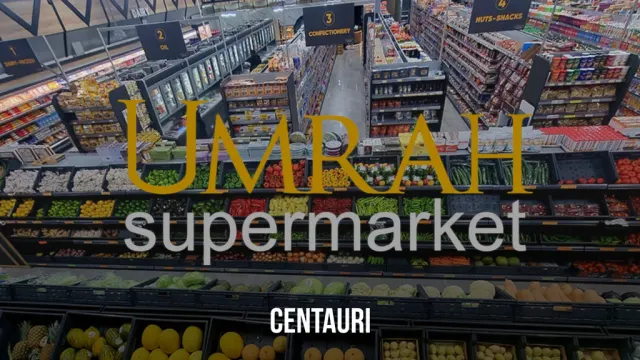
Consider a premium UK grocery chain that made a strategic bet on consistency and cultural relevance. By aligning every post, video, and recipe with the specific tastes and traditions of its community, it didn’t just gain followers — it built a movement. The result was a data-driven content campaign that delivered 10 million impressions, 304,000 likes, and 54,000 shares. Those aren’t vanity metrics. They are signals of deep engagement with a highly targeted audience — the kind that walks through your doors, basket in hand.
One brand. One coherent story. Millions of moments that felt personal. That’s the blueprint for content marketing that converts in 2026. The numbers prove it: when you drop the generic messaging and lead with authenticity, your audience doesn’t just scroll past — they stop, they share, they buy.
Why Impressions Become Transactions
Here’s where many retailers still get stuck. They measure reach but can’t trace it to revenue. In 2026, the gap between the two closes. The secret lies in making every piece of content a bridge — not a billboard.
Content that converts doesn’t end with a “click here.” It ends with a feeling, a memory, or a new habit. For a grocery brand, that might mean a video that shows exactly how to prepare a regional dish for a holiday — and quietly reminds you that all the ingredients are in aisle three. That’s not salesy; it’s helpful. It builds trust. And trust is the shortest path from impression to checkout.
The same principles apply across retail verticals. Whether you sell furniture, fashion, or fitness gear, the content that works hardest is the content that solves a real problem, answers a real question, or celebrates a real moment in your customer’s life. Data is the compass, but empathy is the engine.
Building a Content Ecosystem for 2026
One-off viral posts are fun, but they don’t build sustainable growth. Retail 2026 demands a content ecosystem — a living system of interconnected channels that work together to nurture customers through every stage of discovery, consideration, and loyalty.
That means:
- Foundational content that defines your brand’s point of view (sustainable, inclusive, expert, etc.)
- Utility content that helps shoppers make smarter decisions (guides, comparisons, how-tos)
- Community content that amplifies real customers’ voices (UGC, reviews, celebrations)
- Conversion content that gently guides toward action (limited-time stories, stock alerts, personalized recommendations)
Each layer reinforces the next. And none of it can be created in a vacuum. The winning retailers in 2026 treat content marketing as a discipline — not a side project. They invest in editorial calendars, audience segmentation, and creative consistency. And they partner with experts who understand both the art and the science.
If you’re still treating content as a checklist item, the gap between you and your competitors will only widen. The good news is that you don’t have to build it from scratch. Purpose-built content marketing services (opens in a new tab) can help you design a strategy that’s anchored in your data, aligned with your culture, and calibrated for conversion.
The Human Element Still Wins
Retail 2026 will be filled with AI-generated copy, automated product descriptions, and chatbots. And yet, the brands that stand out will be the ones that use technology to make themselves more human, not less. Because at the end of the day, people don’t want to buy from a machine — they want to buy from a brand that gets them.
That’s why the most effective content marketing doesn’t sound like marketing. It sounds like a friend sharing a helpful tip. It feels like stumbling onto a YouTube tutorial that genuinely saves your evening. It looks like a page full of real faces, real kitchens, and real stories — not polished perfection.
The grocery chain that racked up 54,000 shares didn’t do it with flashy graphics. It did it by being unmistakably real. Its content said: we know who you are, we respect what you love, and we’re here to make your life better — one meal, one post, one visit at a time.
That’s the content that converts. That’s the content that wins 2026.
Ready to Make Your Content Work Harder?
The landscape is shifting, but the fundamentals remain: know your audience, tell a consistent story, and measure what matters. Whether you’re a local boutique or a national retailer, the tools and strategies to succeed in 2026 are already here. The question is how quickly you’re willing to adapt — and how creatively you’re willing to connect.
The numbers don’t lie. Brands that prioritize data-rich, audience-first content marketing are already seeing the results. Make sure yours is next.
Want the full story? Read our case study with Umrah Supermarket.