Marketing
Content Marketing that Converts: Retail 2026
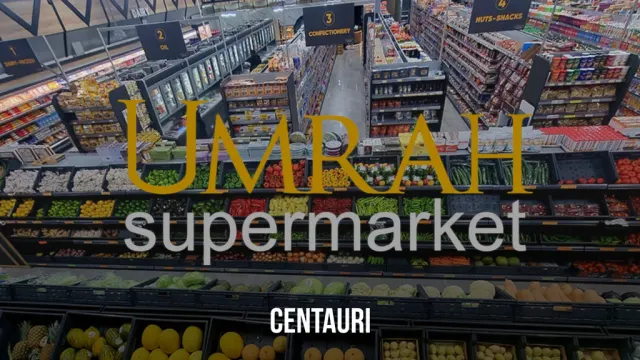
How premium grocers are using content consistency to turn digital impressions into physical footfall — and why the brands that win tomorrow are already shifting gear.
The retail landscape in 2026 is defined by an uncomfortable truth: attention is the scarcest currency, but conversion remains the only metric that matters. Brands that once saw social media as a broadcast channel are now being forced to treat it as a precision engine — one that must marry storytelling with measurement, creativity with consistency. For grocery and retail brands operating in the high-margin premium space, the challenge is even sharper. The digital journey must feel aspirational, yet end with a physical basket. That tension is precisely where the smartest players are pulling ahead.
The question for retailers is no longer should we invest in Content Marketing that converts? — it's how do we build a content engine that performs at scale, across platforms, without losing the human thread? With the right approach, the answer delivers not just likes, but lasting brand equity and measurable footfall.
The Content Shift That's Reshaping Premium Grocery
We are watching a fundamental realignment in how UK grocery brands communicate. The old model — seasonal campaigns, generic product shots, one-size-fits-all messaging — is giving way to something far more ambitious: always-on content ecosystems that mirror the editorial quality of lifestyle magazines and the data responsiveness of direct-response marketing.
Why now? Three converging forces. First, consumer trust in premium grocery has shifted from product features to brand values — shoppers want to buy from a story, not a shelf. Second, platform algorithms have matured to reward consistency and relevance over viral noise; the brands that post daily with purpose now outperform those that save their budget for a single glossy campaign. Third, and most critically, the gap between digital engagement and physical conversion is closing. Shoppers expect to discover, engage, and decide — all before they step through the door.
For premium international grocery chains, the opportunity is particularly stark. They are not just selling ingredients; they are offering a cultural experience, a taste of home, or a sophisticated culinary journey. Content that converts in this space must educate, inspire, and create a sense of belonging — all while driving the kind of sustained visibility that translates into real-world visits.
How One Brand Turned Content Consistency Into National Scale
Consider the case of Umrah Supermarket, a UK-based premium grocery chain that set out to move from a respected local player to a nationally recognised name. Their challenge was not product quality — they already carried an enviable range of international goods. The gap was in digital presence. They needed a content marketing system that could generate massive, sustained reach without relying on paid media alone, and that would convert that reach into consistent physical store footfall.
Working with Centauri's Marketing team, the chain implemented a data-driven social media and content consistency campaign. The strategy was deceptively simple in concept — but rigorous in execution: publish high-quality, culturally resonant content daily; test every variable from posting time to image style; and build a feedback loop that let the data steer the creative direction.
The results speak to the power of that approach. Over the campaign period, the brand generated 10 million impressions — a figure that places them among the most visible independent grocers in the UK digital space. That reach was not empty. The content earned over 304,000 likes and more than 54,000 shares, reflecting deep engagement and organic amplification from a community that clearly felt the brand was speaking their language.
But the real headline is what that digital footprint did for physical stores. By creating a consistent content drumbeat that kept the brand top-of-mind, the campaign drove sustained increases in store visits across multiple locations. This is the essence of content marketing that converts — not vanity metrics, but a clear causal line between what you post and where your customers decide to shop.
The Blueprint for Conversion-First Content in Retail 2026
What can other retailers learn from this success? The principles are transferable, regardless of category size or budget.
First, consistency outranks perfection. The brands that win in 2026 are not those with the single most polished video of the year; they are the ones that show up every single day. An algorithm — and a customer — rewards reliability. Building a post calendar and sticking to it, even if individual posts feel less than perfect, creates a compounding effect of trust and visibility.
Second, let the data shape the creative. The Umrah campaign did not guess at what content would land; it measured and adapted. Retailers should be obsessive about what gets shared versus what gets scrolled past, what time of day generates engagement, and which product categories drive the most click-through. Content marketing today is a science with a creative soul, not the other way around.
Third, the goal is not digital traffic — it is physical footfall. Every piece of content should serve a dual purpose: to build brand love and to nudge a decision. That might mean using clear calls-to-action that highlight store locations, seasonal offers, or new arrivals. It might mean posting content that is deliberately localised to a specific store's community. The digital and physical channels must speak the same language.
Fourth, embrace cultural authority as a conversion driver. Premium grocery brands that succeed are those that become trusted sources of culinary insight, not just product listings. When a brand is seen as an expert in its niche — whether that is Middle Eastern cuisine, Italian fine foods, or South Asian pantry staples — it transforms the shopping trip from a transaction into an experience. Content that teaches, inspires, or builds cultural connection creates a loyalty that no discount can match.
The Bottom Line for Retail Leaders
The data is unambiguous. Content marketing that converts in retail is no longer optional — it is the primary interface between a brand and its most valuable customers. The brands that invested early in consistent, data-informed content strategies are now reaping the rewards of digital ecosystems that function as their most powerful sales channel, even for physical stores.
For those still planning, the window is closing. 2026's winners are already being defined by the content decisions they make today. The question is not whether your brand can afford to build a conversion-focused content engine — it is whether you can afford not to.
The evidence, from the 10 million impressions and 54,000 shares generated by one forward-thinking premium grocer, suggests the answer is clear. The future of retail belongs to brands that treat every post as a physical invite.
Want the full story? Read our case study with Umrah Supermarket.