Marketing
Content Marketing That Converts: Food & Beverage Wins in 2026
The old rule "build it and they will come" no longer works—for 2026, content marketing that converts in food and beverage requires sensory storytelling, speed, and data-driven emotional triggers.
The New Recipe for Food & Beverage Content Marketing
Walk into any high street today, and you'll see the same story playing out. A shiny new takeaway opens its doors. They've nailed the menu. The kitchen runs like clockwork. But the seats stay empty. The delivery app orders trickle in. The phone barely rings.
This is the moment most food brands panic. They throw money at generic ads, chase influencers who've never tasted their food, or blast out discount codes that train customers to wait for the cheap deal. It's a cycle that chews through budgets and burns out teams.
But here's what the data from 2025-2026 is telling us loud and clear: content marketing that converts doesn't need a blockbuster budget. It needs precision. It needs emotion. And it needs visuals that make people feel the food before they've taken a single bite.
Centauri's work in the food and beverage space has proven that when you strip away the noise and focus on what actually drives a purchase decision—sensory triggers, urgency, and trust—the results compound fast. For 2026, the brands winning are the ones treating content not as a broadcast, but as a bridge.
Why Sensory-Led Content Beats "Cheap" Every Time
Let's talk about the science behind a craving. When someone scrolls past a pizza post, their brain doesn't process nutritional information first. It processes texture, temperature, colour, and contrast. That gooey stretch of mozzarella as it lifts off the slice. The reflected sheen on a glossy topping. The steam curling up against a dark background.
These aren't aesthetic choices. They're conversion mechanics.
Centauri's approach to Marketing services (opens in a new tab) in the food sector has consistently demonstrated that high-production sensory content outperforms flat, generic food photography by a significant margin. The difference isn't subtle—it's the gap between a scroll and a click. Between a like and an order.
For food and beverage brands, the window to capture attention is shrinking. On platforms like Instagram, TikTok, and even Google's visual search results, you have about two seconds to communicate taste, quality, and value. Text doesn't do that. A logo doesn't do that. Only the visual story of the food itself can bridge that gap.
The Launch That Proved the Rule: Yuminos and the Power of First Impressions
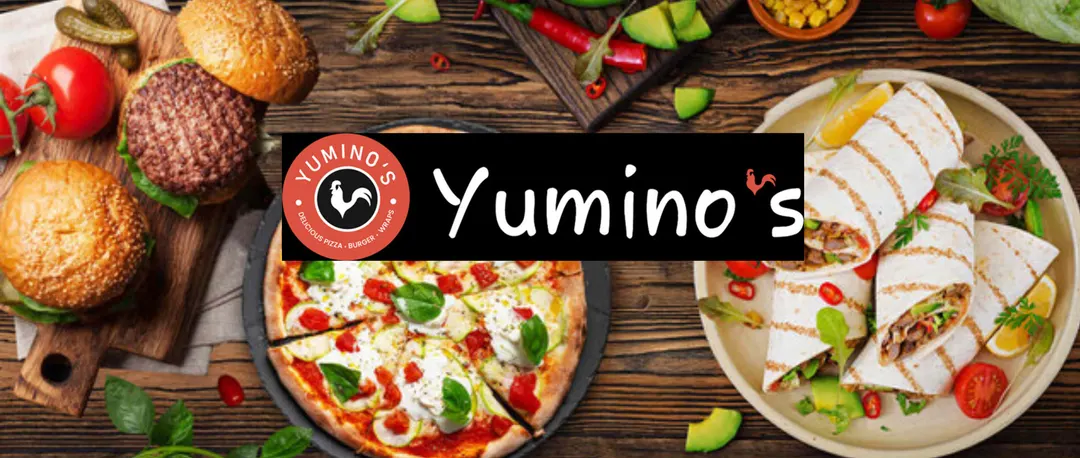
When a new player enters a crowded local market, the odds are stacked against them. Brand recognition is zero. Trust is unearned. The competition has years of reviews, repeat customers, and local SEO dominance. This was the exact challenge facing Yuminos, a new pizza takeaway launching in Halesowen's fiercely competitive food scene.
The usual playbook would have been to run a grand opening with flyers, maybe a Facebook ad boost, and hope for the best. Instead, Centauri executed a content-first launch strategy built around one core idea: make the food irresistible before anyone has tasted it.
The campaign leaned heavily into high-speed, sensory-driven visuals. Not flat product shots, but moments—cheese pulls that seemed to stretch forever, toppings that caught the light, heat-driven steam that whispered freshness. Every frame was designed to trigger the viewer's appetite before they had time to think about price, location, or competition.
The result wasn't just positive. It was explosive. Within the initial launch window, the content generated over 112,000 views for the brand, establishing instant local awareness and creating a pull that traditional advertising would have taken months to build.
Three Content Shifts That Define 2026 F&B Marketing
Based on what's working now, three clear patterns are emerging for food and beverage brands looking to drive measurable conversions through content.
1. Abandon the "Menu" Mentality
The biggest mistake food brands make online is treating their content like a digital menu board. "Here's our Margherita. Here's our Pepperoni. Here's our lunch deal." That's not marketing—that's a brochure.
Content that converts in 2026 tells a story about why this food matters. It's the late-night cravings. The Friday night ritual. The celebration pizza. The comfort meal after a hard day. When your content connects to an emotional need, the price becomes secondary.
2. Speed Over Polish
This might sound contradictory after emphasising high-quality visuals, but the key word is sensory, not produced. The best-performing food content this year has been raw, immediate, and authentic. A quick shot of cheese pulling in natural light. A behind-the-counter moment. A real customer's first bite.
Long-edited productions with voiceovers and music are losing traction. What works is the feeling of being there. Brands that embrace real-time, mobile-first content creation are seeing higher engagement and faster conversion loops.
3. Local SEO Meets Visual Context
For independent food businesses, local search is everything. But local SEO in 2026 isn't just about keywords and Google Business profiles. It's about creating location-specific visual content that anchors the brand to its community.
Think: "The best takeaway in Halesowen" reinforced by imagery of the actual shop, the actual street, the actual delivery. This builds trust faster than stock photography or generic templates ever could. Content marketing that converts locally requires proving presence, not just taste.
The Metrics That Actually Matter
Too many food and beverage brands obsess over vanity metrics. Likes, shares, followers. None of these pay the rent. What matters for content marketing that converts is a tighter set of numbers:
- View-to-order ratio: How many views translate to an actual transaction.
- First-time customer rate: Are you attracting new people, or just re-serving existing ones?
- Local search lift: Are people finding you through content, not just typing your name?
The Yuminos launch delivered on all three. 112,000 views isn't just a number—it's a proxy for local awareness. When a new brand can generate that level of attention without paid media dependency, they've built a foundation that compounds over time.
Why 2026 Is the Year Food Brands Stop Guessing
The food and beverage industry has spent years treating content marketing as an afterthought. A social media post here. A blog post there. Nothing connected. Nothing measured. Nothing optimised.
That era is ending. With platform algorithms increasingly prioritising authentic, high-engagement content over polished ads, the brands that understand how to trigger appetite visually will dominate local search, dominate delivery apps, and dominate word-of-mouth.
Centauri's approach is simple but relentless: build content that doesn't just show the food, but sells the feeling of eating it. The data backs this up. The results speak louder than any promotional claim.
The Bottom Line for F&B Owners
If you're running a food or beverage business and wondering why your content isn't converting, the answer is almost always the same. You're showing, not selling. You're listing ingredients instead of triggering cravings. You're competing on price when you could be competing on emotion.
The playbook for 2026 is clear. Invest in sensory-led visuals. Make speed a priority over perfection. Anchor every piece of content to a real location and a real customer need. And measure what actually drives the till to ring.
As the Yuminos launch proved, you don't need a five-year reputation to win. You need content that stops the scroll, triggers the appetite, and makes the decision to order feel effortless.
That's what content marketing that converts looks like in 2026. And it's working right now.