Marketing
Content Marketing That Converts: Food & Beverage Trends for 2026
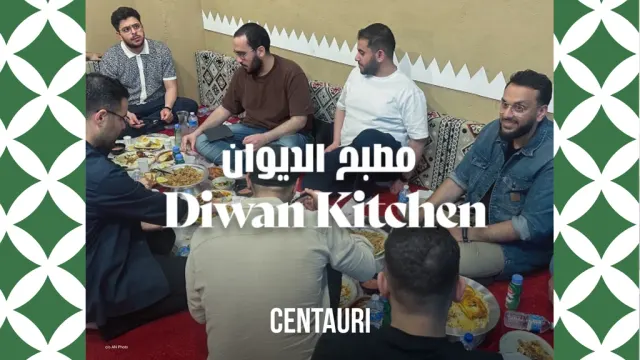
Discover how authentic storytelling, cultural cues, and community-driven content are reshaping food & beverage marketing — with a real proof point from Diwan Kitchen.
The food and beverage industry has always been about more than what’s on the plate. It’s about memory, emotion, and connection. But as we edge toward 2026, the old playbook of glossy food photography and generic lifestyle shots is losing its appetite. Consumers are smarter, savvier, and hungrier for content that feels real. If you want content marketing that converts, you need to move beyond the garnish and serve up stories that people can taste, feel, and trust.
At Centauri, we’ve seen firsthand how brands that embrace authenticity and community-driven narratives are not just winning views — they’re turning lookers into loyalists. And the numbers back it up.
Why Authenticity Is the Secret Ingredient
The average consumer is bombarded with hundreds of food and drink images daily. Social feeds are saturated with perfect plating, filtered latte art, and influencer brunches. But here’s the truth: perfection no longer sells. What does? Realness.
In 2026, the most effective food and beverage content will be anchored in cultural authenticity. That means moving beyond surface-level aesthetics to communicate the why behind the dish. Why this recipe? Why this tradition? Why should anyone care?
Take the example of Diwan Kitchen, a brand introducing authentic Saudi cuisine to UK audiences. They didn’t just photograph their food against a neutral background. Instead, they leaned into the warmth of Arabian hospitality — the steam rising from a shared pot, the texture of freshly baked bread, the subtle interplay of Arabic language and cultural cues. By centering their content on the experience rather than the product, they created an emotional bridge between a centuries-old culinary heritage and a curious London audience.
The result? Over 20,000 profile views and more than 300,000 total views in a short period. That’s not just visibility; it’s engagement from people who are genuinely interested in the story behind the meal.
Diwan Kitchen achieved this with high-fidelity video and culturally specific cues, applied consistently.
Community Storytelling Over Brand Monologue
One of the biggest shifts we’re seeing in food and beverage marketing is the move from brand monologue to community dialogue. In 2026, content that converts is content that invites the audience in. It’s not a broadcast; it’s a conversation.
Community-driven storytelling works because it respects the viewer’s intelligence. Instead of telling them “this is good food,” you show them the people, the rituals, and the everyday moments that make the cuisine special. This is especially powerful when introducing a lesser-known food culture to a new market.
For Diwan Kitchen, that meant using high-fidelity video to capture the entire dining journey — from the sizzle of a pan to the communal tearing of bread. Every frame was designed to make the viewer feel like they were sitting at the table. By focusing on textures, sounds, and interactions, the content didn’t just show food; it showed belonging.
This approach taps into a broader trend: consumers are increasingly seeking food experiences that offer cultural education and emotional resonance. They want to know the story behind the spice blend, the history of the fermentation technique, the family recipe passed down through generations. Brands that provide that context build trust — and trust converts.
If your brand is looking to build a similar community-driven strategy, Centauri’s marketing services (opens in a new tab) cover the full spectrum from content creation to distribution.
Video Is Still King — But With a Twist
By 2026, video will account for over 80% of all internet traffic, and food and beverage is no exception. But the kind of video that works is changing. Short-form vertical clips will remain popular, but there’s a growing appetite for longer, more immersive content that tells a complete story.
Think behind-the-scenes kitchen documentaries, chef interviews, ingredient sourcing journeys, and even live cooking sessions where the audience can ask questions in real time. The key is to make the viewer feel like they’re part of the experience, not just a passive observer.
For Diwan Kitchen, video wasn’t just a medium — it was the core of their authenticity strategy. Each piece of content was designed to transport the viewer into the heart of Saudi hospitality. The grain of the rice, the crackle of the grill, the laughter of friends sharing a meal — all captured with a cinematic eye that made the ordinary feel extraordinary.
The 300,000+ total views didn’t come from random scrolling. They came from people who stopped, watched, and connected. That’s the power of video that tells a real story.
Data-Driven Content Decisions
While storytelling is the heart, data is the spine. Content marketing that converts in 2026 will be driven by clear metrics — not vanity metrics like likes, but meaningful engagement like profile views, saves, shares, and time spent.
In Diwan Kitchen’s case, the 20,000+ profile views indicate that viewers weren’t just watching one video — they were curious enough to click through and explore the brand further. That’s a powerful conversion signal. When someone actively seeks out more about your brand, they’re already halfway to becoming a customer.
Smart brands will use this data to refine their content strategy. Which dishes generate the most curiosity? Which storytelling angles drive the most profile visits? Which platforms deliver the highest engagement? The answers will shape everything from menu development to ad spend.
If you’re not already tracking these deeper engagement metrics, now is the time to start. Because in 2026, the brands that convert are the ones that understand not just what people watch, but why they watch.
Looking Ahead: The 2026 Content Marketing Menu
So what does a winning content marketing strategy look like for food and beverage in 2026? Here’s a quick checklist:
- Lead with authenticity. Abandon stock imagery. Use real people, real spaces, real stories.
- Embrace cultural depth. Don’t just show the food — explain its roots. This builds trust and differentiation.
- Leverage community. Turn your audience into storytellers. Encourage user-generated content and collaborative narratives.
- Invest in video that immerses. High-quality, experiential video that makes the viewer feel like they’re there.
- Track the right metrics. Profile views, time spent, and repeat engagement matter more than raw reach.
The food and beverage landscape in 2026 will be crowded. But the brands that will stand out are those that understand that marketing isn’t about selling a meal — it’s about sharing a story. And when done right, that story becomes the reason people come back again and again.
At Centauri, we’ve built our entire approach around this belief. Whether you’re launching a new cuisine or refreshing an established brand, the principles remain the same: be real, be relevant, and be ready to engage.
The table is set. Are you ready to serve content that converts?