Marketing
Half a Million Views: How Dairy King Became a Birmingham Viral Hotspot
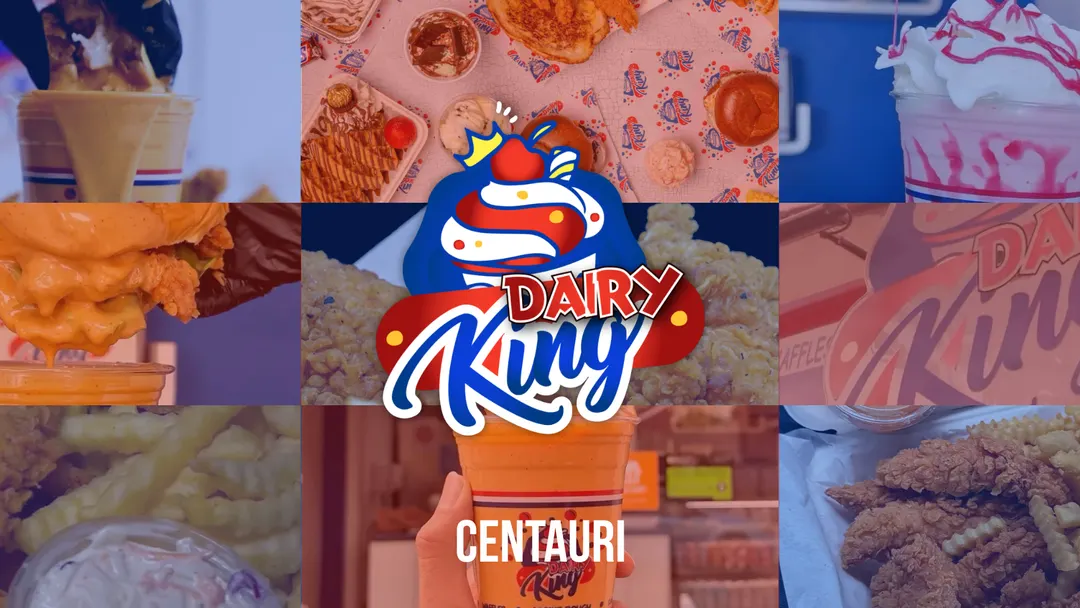
How Centauri helped Dairy King generate 500,000 views and become a viral hotspot — and what F&B brands can learn from it.
The food and beverage industry has always thrived on taste, but in 2026, the real flavour is found in the content that wraps around the product. As social platforms pivot toward short-form video and search engines reward genuine engagement, the old rule of “post a photo, add a location” no longer cuts it. To convert followers into foot traffic, F&B brands need a content strategy that’s as carefully seasoned as their signature sauce. That’s where content marketing stops being a buzzword and starts being a revenue driver.
We’ve seen this shift play out in real time. One standout example comes from our own work with a Birmingham institution, and the results speak louder than any industry whitepaper. But before we dive into that case, let’s understand why content marketing has become the non-negotiable ingredient for F&B success in 2026.
Why Content Marketing Now Owns the F&B Purchase Journey
Think about how people decide where to eat today. They don’t just check a menu — they scroll Instagram, TikTok, and Google Maps looking for visual proof that a place feels worth their time and money. In fact, nearly 60% of consumers say they’ve tried a new restaurant because of a video they saw on social media. That’s not a passing trend; it’s a structural shift in the decision-making funnel.
For food and beverage brands, content marketing isn’t about broadcasting — it’s about building a sensory experience that can be consumed through a screen. The best content doesn’t show a product; it shows a moment. A sizzling pan, a close-up of sauce dripping, the first crunch of a fresh crinkle-cut fry. These are the micro-narratives that create anticipation, and that anticipation is what converts a “maybe” into a “where do I park?”
But there’s a catch. In 2026, the algorithm rewards consistency, originality, and most importantly, authenticity. Generic stock footage or heavily filtered promotional shots get scrolled past in under half a second. The brands winning here are those that invest in high-fidelity visuals, real customer reactions, and localised storytelling — all of which require a deliberate strategy, not just a phone and a prayer.
The Local Advantage: How a Birmingham Brand Went Viral
The proof point for this isn’t a global chain — it’s a small food destination on Green Lane, Birmingham, that decided to pivot. Dairy King started as a local dessert shop, but its owners spotted a growing demand for fresh, made-to-order comfort food. They introduced hand-breaded chicken tenders, crinkle-cut fries, and a signature homemade sauce that quickly became a neighbourhood talking point.
But great food alone wasn’t enough to put them on the map. They needed people to see it, crave it, and share it. That’s when they turned to Centauri’s marketing team. Our approach combined brand strategy with deep market intelligence — studying exactly what Birmingham food enthusiasts were searching for, the hashtags they followed, and the video formats they engaged with most. From there, we executed a high-fidelity visual transformation, dramatically improving the quality and pacing of every piece of content.
The goal wasn’t just to be “seen” — it was to convert online impressions into real-world visits. And it worked. The campaign generated 500,000 views across social platforms, turning Dairy King into a viral hotspot. That number isn’t just a vanity metric; it represents thousands of potential customers who saw, believed, and then acted.
What Dairy King’s Success Teaches Us About Content Marketing
If we strip away the specifics, Dairy King’s story is a masterclass in three principles that any F&B brand can apply in 2026:
- Visual fidelity is non-negotiable. Blurry, poorly lit videos don’t just fail to engage — they actively damage brand credibility. Investing in better cameras, lighting, and editing doesn’t mean losing authenticity; it means respecting your audience’s attention.
- Localise your messaging. National trends are fine, but Birmingham, Manchester, or Brighton each have their own food culture. Tapping into that specific conversation makes a brand feel like a local hero, not a generic chain. Our content wasn’t aimed at “everyone” — it was aimed at people within a fifteen-minute drive.
- Product details drive desire. The more intimately you show how something is made, the more it appears handcrafted and worth a premium. Dairy King’s content deliberately showcased the temperature, texture, and freshness of each component — turning simple ingredients into “must-try” items.
These aren’t theoretical ideas. They were tested, refined, and proven in a real market. For a deeper look at the exact strategy, you can read the complete Dairy King case study on our site.
How to Build a Content Marketing Engine That Converts
So what’s the practical roadmap for an F&B brand looking to replicate this in 2026? It’s not about hiring a full production studio on day one. It’s about building a repeatable content loop that consistently produces high-converting material.
- Start with a content pillar system. Every brand should have 3–4 recurring content themes — like “kitchen secrets,” “customer reactions,” “menu deep-dives” — and stick to them. This trains the algorithm to understand what you’re about, and trains your audience to expect a certain kind of value.
- Prioritise video over static imagery. Short-form video (Reels, TikTok, YouTube Shorts) has the highest organic reach for F&B. Even a 15-second clip of your signature sauce being poured can outperform a beautifully photographed burger.
- Use real customer voices. User-generated content — whether that’s a reposted story or a “review of the day” — builds trust more effectively than branded language. People trust other people, not taglines.
- Measure beyond views. Views are a headline metric, but conversions matter more. Track coupon redemptions, foot traffic spikes, or website visits from a specific post to truly understand what’s working.
At this point, you might be wondering where to invest your budget. The answer isn’t necessarily more ads; it’s better content. Our marketing services are designed to help F&B brands build exactly this kind of engine, from strategy through production to performance analysis.
The Future of F&B Content: Less Hype, More Table Stakes
Looking ahead to the rest of 2026, we predict that the brands that win will be those that treat content marketing as a core operational function, not an afterthought. The days of “post when you remember” are gone. Instead, we’ll see more F&B businesses embedding content creation into their daily workflow — from the chef who films prep to the front-of-house team that captures the first bite.
We’ll also see a sharper divide between brands that chase algorithmic tricks and those that build genuine community. The latter will survive algorithmic changes, because they’ve fostered real relationships. The former will burn out as soon as the platform shifts its rules. Dairy King’s success wasn’t a hack; it was a patient, strategic build on trust and visual quality.
For any restaurant, café, or food brand looking to turn content into customers, the starting point is the same: understand your local audience, commit to high-quality visuals, and tell a story that makes people feel like they’re already sitting at your table. That’s not just marketing — that’s hospitality in a digital age.
If you're ready to see how this could work for your brand, we'd love to talk. But first, take a moment to read about how Dairy King turned a local following into a viral phenomenon — it’s a taste of what’s possible when content and conversion are finally served on the same plate.