Marketing
Local, Sensory, Consistent: The Three Pillars Behind Free Time Café's 415,000 Views
How sensory storytelling and hyper-local relevance are reshaping the F&B marketing playbook—and what the numbers tell us about what’s next.
The New Currency: Attention That Actually Pays
If you’ve tried to scroll past a food reel on Instagram, you already know: food content is everywhere. But converting content—the kind that makes someone stop, crave, and then walk into a café—is a different game entirely. By 2026, the Food & Beverage sector won’t just be competing for taste buds; it’ll be competing for a finite resource: genuine human attention.
The brands that win won’t be the ones shouting loudest. They’ll be the ones that make you feel the food before you’ve taken a single bite. At Centauri, we’ve been helping F&B clients navigate this shift, and one recent partnership proves just how powerful a focused content strategy can be—especially when it blends sensory visual storytelling with a deep understanding of local community dynamics.
The goal isn’t just to be seen. It’s to be remembered in the moment that matters.
Why 2026 Demands a Content-First F&B Approach
The algorithms have changed. Organic reach for generic product shots has plummeted. Meanwhile, platforms like TikTok and Instagram are actively prioritising content that feels native, authentic, and useful to the viewer. For cafés, bakeries, and local restaurants, this is both a challenge and an opportunity.
By 2026, consumers will expect one thing above all from brand content: relevance. Not relevance in the broad “everyone likes coffee” sense, but hyper-local, hyper-specific relevance. They want to see—without a filter of polish—what it’s like to be in that space, with that pastry, at that time of day. They want proof that the experience is real and shareable.
This is where many F&B brands stumble. They produce content that looks like a stock photo—or worse, they hand it off to an intern with no strategy. The result? Zero traction. But when you pair a deliberate content marketing strategy with genuine on-the-ground authenticity, the numbers speak for themselves.
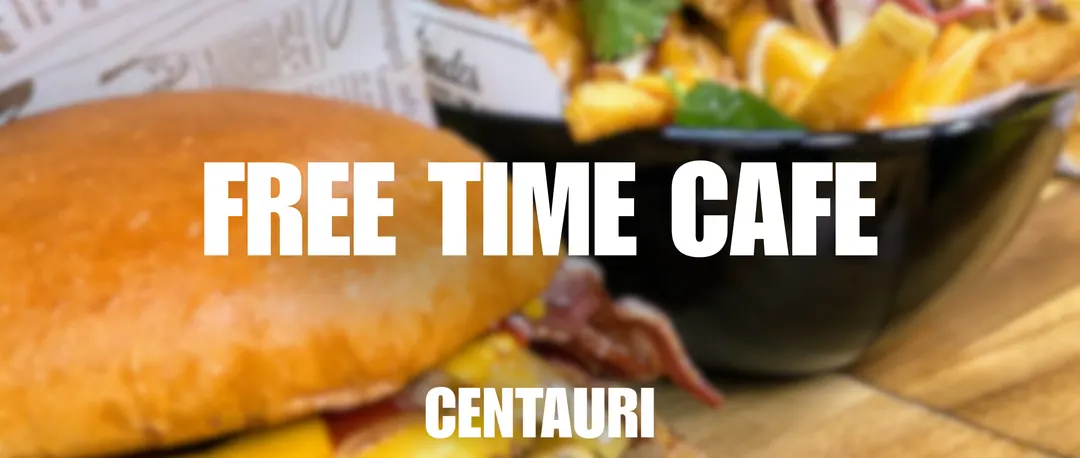
Take Free Time Café, a local café concept in Small Heath, Birmingham. Situated in one of the city’s densest food and retail corridors, it faced a familiar challenge: how to stand out amid hundreds of nearby options. Working with our team, the brand didn’t chase viral gimmicks. Instead, Centauri deployed a refined content strategy centred around high-quality, sensory-led visuals designed to highlight freshness, atmosphere, and everyday café appeal. The approach was simple but rigorous: focus on relatable, repeatable moments—from drinks preparation to plating—that made viewers feel like they were already there.
The result? +415,000 views across content assets in a single campaign period. For a single-location café, those numbers aren’t just vanity metrics. They represent real people in the local area who stopped scrolling, felt a craving, and now have the café top-of-mind for their next visit.
The Three Pillars of Content That Converts
What made that campaign work—and what will define the most successful F&B content marketing in 2026—boils down to three principles.
1. Sensory First, Sale Second
The most effective food content doesn’t sell. It seduces. It makes the viewer’s brain anticipate taste, smell, and texture before any rational thought about price or convenience. Think slow-motion pours, steam rising from a cup, a knife cutting into a warm croissant. Our work with Free Time Café leaned heavily into these sensory cues: tight macro shots of coffee being poured, natural lighting on countertops, and real customer moments (with permission) that didn’t feel staged.
The lesson? If your content doesn’t trigger a physical reaction—a stomach growl, a sigh—it’s not going to convert.
2. Hyper-Local Identity as a Competitive Moat
National chains have budget, but they lack neighbourhood texture. Independent F&B brands can win by celebrating what makes their corner of the world unique. In Small Heath, that meant leaning into the multicultural energy, the morning commuter rush, and the afternoon study crowd. The content didn’t pretend to be for everyone. It was for the people of Coventry Road.
By 2026, local SEO and geo-targeted content will be even more powerful. Algorithms reward content that signals proximity and relevance. If you’re a café in Small Heath, your content should mention nearby landmarks, local events, and the vibe of that specific street. That’s what builds a loyal following—not generic “love your local” platitudes.
3. Consistency Over Virality
Too many F&B brands chase one viral hit and then disappear for months. The brands that build sustainable growth post consistently—even if it’s just three well-produced pieces per week. The 415K views from the Free Time Café campaign didn’t come from a single post. They came from a sustained, disciplined schedule of content that built momentum over weeks.
As we move toward 2026, the brands that thrive will treat content like a utility—not a campaign. They’ll invest in production systems, templates, and a clear editorial calendar. And they’ll measure success not just by views, but by foot traffic, repeat mentions, and community engagement.
Practical Steps to Future-Proof Your F&B Content
If you’re a café owner, restaurant operator, or food brand looking to shift your content marketing in 2026, start here.
- Invest in quality lighting, not expensive gear. Natural window light and a simple stabiliser can make your footage look 10x more professional.
- Film with a purpose. Every piece of content should answer a viewer’s unspoken question: “What would it feel like to be there right now?”
- Use local signals. Tag your location in every post. Mention neighbourhood names. Collaborate with nearby creators.
- Repurpose relentlessly. One shoot can yield 20 pieces of content: a hero video, photos, short clips for Reels, behind-the-scenes stills, and user-generated content from customers.
- Track what matters. Views are nice, but link clicks to menus, saved posts, and direct messages asking “where is this?” are stronger conversion signals.
Our marketing services (opens in a new tab) are built to help F&B brands implement these strategies from end to end—no hype, just results.
The Bottom Line: Content Marketing That Converts is Local, Sensory, and Consistent
The food and beverage landscape in 2026 will reward brands that understand attention is the new hospitality. Your content is your storefront window, open 24/7. Make it worth stopping for.
At Centauri, we’ve seen what happens when you marry a sharp content strategy with real neighbourhood roots. The 415,000 views earned by Free Time Café weren’t an accident. They were the product of deliberate, sensory-led storytelling designed to stop thumbs and start conversations—and eventually, to drive real-world visits.
That’s what content marketing that converts looks like. Not a flash-in-the-pan trend, but a repeatable system rooted in the joy of food, the identity of place, and the discipline of consistency.