Marketing
Content Marketing that Converts: Food & Beverage 2026
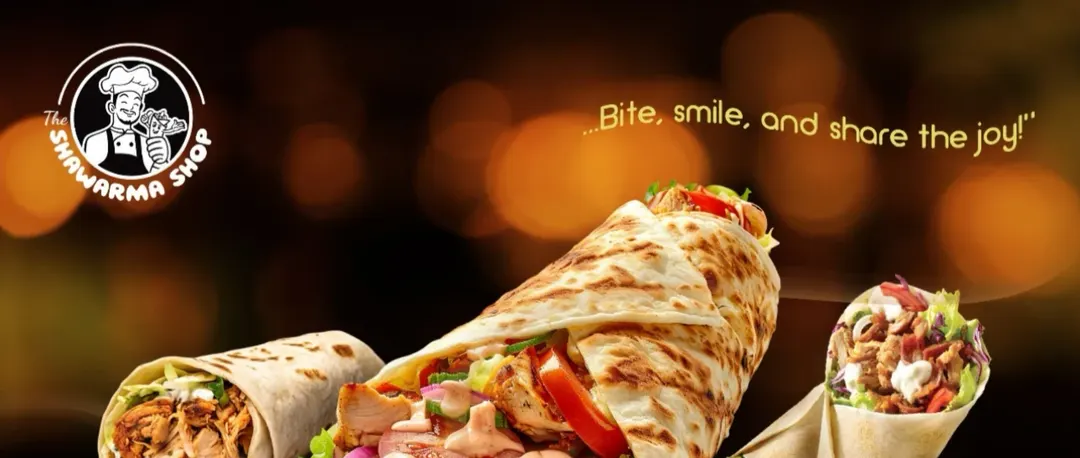
The food and beverage industry is entering a new era where sensory-led content, not just product shots, is the key to turning views into sales.
Why Food & Beverage Brands Need a New Content Playbook for 2026
The rules of engagement have changed. For years, food and beverage brands could rely on glossy menu photos and generic “food porn” reels to keep customers scrolling. But in 2026, the landscape is far more demanding. Audiences are bombarded with content every second, and their attention is a scarce resource. To stand out, brands must move beyond static visuals and embrace content marketing that doesn’t just look good—it converts.
Conversions today mean more than a click or a like. They mean a customer who walks through the door, orders a meal, shares the experience, and comes back again. That requires a content strategy built on trust, authenticity, and sensory connection. The food and beverage sector is uniquely positioned to deliver this because taste, smell, and texture are inherently emotional triggers. Yet many brands still treat their content as a afterthought, posting the same tired images without a strategic narrative.
The shift is already underway. By 2026, the most successful food and beverage brands will be those that use content to tell a story—one that starts with the raw ingredients, moves through the preparation, and ends with the moment of satisfaction. This isn’t about selling a product; it’s about selling an experience. And the brands that master this approach will see their engagement metrics translate directly into bottom-line growth.
The Shift from Product Shots to Sensory Experiences
Think about the last time a food video stopped you mid-scroll. Chances are it wasn’t a static shot of a burger. It was something dynamic: a knife slicing through a crusty bread, sauce drizzling over a grilled wrap, or a chef’s hands pressing a warm pita. These moments trigger a sensory response that a static image simply cannot replicate.
In 2026, content marketing for food and beverage will be defined by what we call “sensory-first storytelling.” This means prioritising video and rich imagery that highlight the process of creation—the sound of sizzling, the sight of fresh herbs being chopped, the steam rising from a hot dish. Brands that invest in this approach are seeing measurable results.
Take, for example, a recent partnership with The Shawarma Shop, a fast-paced, flavour-driven takeaway concept that specialises in authentic shawarma, grilled meats, and loaded wraps. Centauri deployed a refined content strategy centred around high-quality, sensory-led visuals designed to highlight freshness, preparation, and flavour. By focusing on dynamic food moments—such as the slicing of the meat, the wrapping of the pita, and the application of sauce—the brand created a visual narrative that felt immediate and irresistible. The results speak for themselves: +281K views and +10K likes across the campaign period.
How Data-Backed Visual Storytelling Drives Real Conversions
Content that converts doesn’t rely on guesswork. It’s rooted in data. The food and beverage industry is rich with consumer insights—seasonal trends, dietary preferences, local tastes, and behavioural patterns. The brands that win in 2026 are those that use this data to inform every piece of content they produce.
This means more than just posting when something goes viral. It means understanding your audience’s moments of hunger, their decision-making triggers, and the platforms they trust. For example, a lunchtime audience might respond better to quick, energetic videos of assembly, while a dinner crowd might gravitate toward slower, atmospheric shots of a dish being plated. By mapping content to these moments, brands can increase relevance and, ultimately, conversions.
In the case of The Shawarma Shop, the data-driven approach wasn’t just about the visuals—it was about timing and platform-specific optimisation. The content was tailored for fast-scrolling environments where authenticity and speed matter. The +281K views and +10K likes aren’t vanity metrics; they are signals of deep engagement that often translate into foot traffic and repeat orders. When a customer sees a wrap being made with care, they are more likely to trust the quality of the food and make a purchase.
Turning Views into Votes of Confidence (and Sales)
Engagement without conversion is a missed opportunity. The real power of sensory-led content marketing lies in its ability to build trust. When a brand consistently shows its process—the fresh ingredients, the skilled hands, the attention to detail—it earns a customer’s confidence. That confidence is the gateway to conversion.
In 2026, food and beverage brands will need to close the loop between content and commerce. This might mean adding shoppable tags to videos, embedding location-based calls to action, or using user-generated content to amplify authenticity. But the core remains the same: the content itself must be so compelling that the audience feels compelled to act.
The Shawarma Shop’s campaign is a powerful example of this principle. The content didn’t just show food; it showed the care and craft behind it. The result was a surge in positive engagement that directly supported the brand’s reputation and market position. For smaller independent operators, this kind of content marketing can level the playing field, allowing them to compete with larger chains by telling a more authentic story.
The Centauri Approach: Content That Works Harder
Centauri’s approach to content marketing is built on the idea that great content doesn’t just inform or entertain—it converts. We work with food and beverage brands to develop strategies that align with real-world customer behaviour, using the latest data and creative techniques to drive measurable results. Our marketing services (opens in a new tab) are designed to help brands navigate the shifting landscape of 2026, from sensory storytelling to cross-platform optimisation.
The food and beverage industry is at a turning point. The brands that embrace content marketing as a conversion tool—not just a branding exercise—will be the ones that thrive. It’s about moving from passive viewing to active engagement, from static images to immersive experiences, and from generic content to a story that tastes as good as it looks.
As we look ahead, one thing is clear: the brands that win in 2026 will be those that understand that every view is a potential customer, and every piece of content is an invitation to experience something real. The question is, are you ready to serve up a story that converts?