Marketing
Events as Content Engines: What Afrikana's Star City Launch Proved
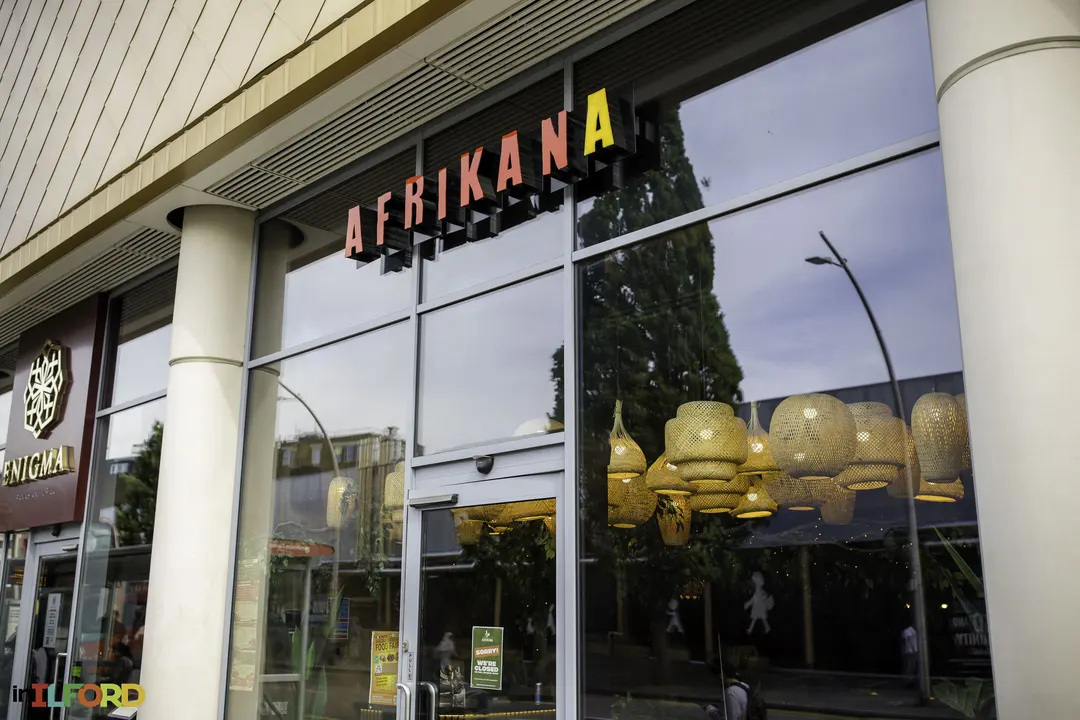
How smart content strategies are reshaping the F&B landscape — and why Afrikana's Star City launch proved the formula works.
The New Reality for Food & Beverage Brands
Walk into any busy food hall or high-street restaurant in 2026, and you'll see the same challenge playing out: how do you stand out when every brand is fighting for attention? The answer, increasingly, lies not in bigger ad spends but in smarter content marketing. For the Food & Beverage sector, content that converts is no longer a nice-to-have — it's the difference between a packed house and an empty one.
The shift is driven by consumer behaviour. Today's diners research before they book. They scroll Instagram for your plating. They check TikTok for your vibe. And they read reviews before they even think about walking through your door. This means your content needs to work harder, feel more authentic, and deliver measurable results. That's where content marketing that truly converts comes into play.
Why Generic Content Falls Flat in F&B
Many food and beverage brands still rely on the same tired playbook: stock photography of dishes, generic social posts, and the occasional press release. But in 2026, audiences are savvy. They can spot a templated campaign from a mile away. What works now is content that feels less like marketing and more like an invitation.
The most successful brands are those that lean into storytelling — not just about the food, but about the culture, the community, and the people behind the brand. They're using content to build a relationship before a customer ever takes a bite. And the data backs this up. According to recent industry benchmarks, brands that invest in original, audience-first content see conversion rates that are significantly higher than those that don't.
The Proof Point: Afrikana's Star City Launch
Consider the case of Afrikana, a fast-growing restaurant brand celebrated for its community-driven approach and modern twist on African-inspired cuisine. When they prepared to open their new location at the bustling Star City entertainment complex, they knew they couldn't just blend into the crowd. The competition was fierce, and the audience was diverse.
Afrikana partnered with Centauri to deliver a high-impact launch event that seamlessly blended influencer marketing with massive community giveaways. By partnering with a major TikTok creator to reach a younger demographic and offering high-value incentives, the campaign drove footfall and created a genuine buzz. The results were concrete: the launch achieved a measurable uplift in brand awareness and immediate sales conversions.
This wasn't just a one-off success. It's a replicable model for any F&B brand looking to convert attention into action. The key takeaway? Content must be tailored to the platform, the audience, and the moment. A TikTok-first approach with authentic local influencers can outperform traditional advertising by a wide margin.
How to Build Content That Converts in 2026
Creating content marketing that converts requires a strategic shift. Here are the pillars that leading F&B brands are adopting:
1. Video-First Storytelling
Short-form video remains the dominant format. But the winners are those who use it to tell real stories — the chef's journey, the sourcing of ingredients, the energy of the dining room. These narratives build emotional connections that static posts simply can't.
2. Community-Centric Campaigns
Instead of broadcasting, smart brands are co-creating with their audience. User-generated content, local collaborations, and community giveaways (like Afrikana's launch) create a sense of ownership. When customers feel part of your story, they're far more likely to convert — and return.
3. Data-Driven Personalisation
Generic offers are out. Personalised content is in. Using data from loyalty programmes, social media insights, and booking systems, brands can serve content that feels tailor-made. This could be a video of your favourite dish being prepared, or a local event invite based on your location.
4. Authentic Influencer Partnerships
The era of polished, paid-for endorsements is fading. Consumers trust real voices. Partnering with micro-influencers or local creators who genuinely love your brand can yield higher engagement and conversion rates than celebrity campaigns. For more on how influencer marketing fits into a broader strategy, explore our approach to Marketing services (opens in a new tab).
The Role of Events in Content Strategy
Events are not just experiences — they're content goldmines. A well-executed launch or pop-up generates hours of video content, dozens of social posts, and a wave of organic buzz. The key is to capture and repurpose that content across channels.
Afrikana's Star City launch is a perfect example. The event itself drove immediate sales, but the content created from it — user-generated videos, influencer posts, and behind-the-scenes clips — continued to drive conversions for weeks after. This is the multiplier effect of integrated content marketing.
The Future of F&B Content Marketing
Looking ahead, the brands that win will be those that treat content as an investment, not an expense. The rise of AI tools for content creation will lower barriers, but human creativity and authenticity will remain the differentiators. Personalisation, community engagement, and real-time responsiveness will define success.
In 2026, content marketing that converts in the Food & Beverage sector is about creating moments that feel personal, shareable, and genuine. It's about showing up where your audience already is — on their phones, in their feeds — and offering them something worth stopping for. When done right, it doesn't just fill a restaurant for one night. It builds a brand that people want to be part of.
Why Now Is the Time to Act
If your F&B brand is still relying on the same old approach, the gap between you and your competitors will only widen. The tools, platforms, and strategies for content marketing that converts are proven. What's missing for many brands is the strategic vision to execute them effectively.
Whether you're launching a new location, refreshing an existing brand, or simply looking to connect more deeply with your audience, the principles remain the same: know your audience, tell your story, and measure your impact. The results will speak for themselves — in footfall, in sales, and in loyalty.