Marketing
Why Video Still Leads in 2026: Dairy King's Locally Tuned Approach
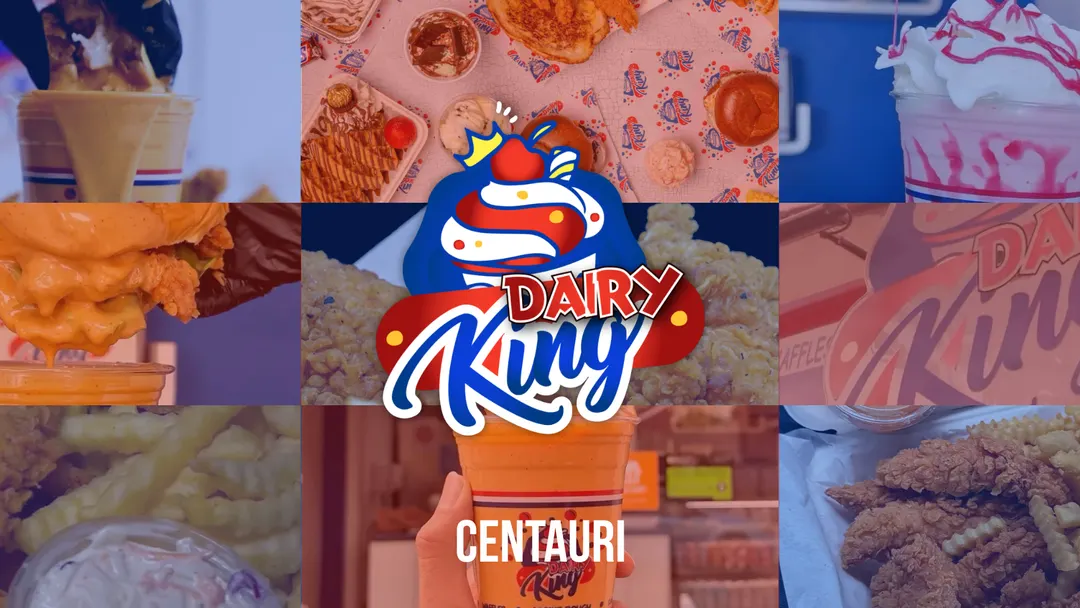
As food and beverage brands fight for attention in an oversaturated digital landscape, the difference between content that sells and content that scrolls-by often comes down to one thing: authentic, hyper-local storytelling backed by data.
The New Rules of F&B Content Marketing
The food and beverage industry has always been driven by taste, but in 2026, the recipe for success depends on something just as critical — how you tell your story. With social algorithms prioritising video and audiences craving realness over polish, brands that master content marketing are seeing conversion rates that leave traditional advertising in the dust. The question is: what does content that actually converts look like today?
The answer lies in a strategic blend of high-fidelity visuals, local relevance, and platform-native distribution. Gone are the days of generic food photography and mass-produced blog posts. Consumers now expect to see the sizzle, hear the crunch, and feel part of a community — all before they ever step foot in a restaurant or order delivery. For food and beverage businesses, the window to capture that attention is shrinking, but the payoff for getting it right has never been bigger.
Why Video Still Dominates in 2026
If content marketing has a king in this era, it’s video. Short-form, vertical, and authentically shot content continues to outperform every other format, especially when it comes to driving foot traffic and online orders. The reason is simple: food is visual theatre, and video makes it impossible to ignore. Whether it’s a cheese pull, a sauce drizzle, or the perfect fry being lifted from a basket, these micro-moments trigger cravings that text and static images rarely can.
But not all video content is created equal. The brands that win in 2026 are those that invest in quality — better lighting, tighter editing, and a clear focus on what makes their product unique. They don’t just show food; they show the experience, the atmosphere, and the people behind the counter. This shift from stock footage to “real life” storytelling has become the defining characteristic of the most successful F&B marketing campaigns.
From Local Dessert Shop to Viral Hotspot: The Dairy King Effect
One of the clearest examples of content marketing that converts comes from a Birmingham-based brand that transformed its trajectory through a deliberate content strategy. Dairy King began as a local dessert shop on Green Lane, but by leaning into a high-fidelity visual transformation and deeply integrating product details with the specific preferences of Birmingham food enthusiasts, the brand was able to pivot from a neighbourhood stop to a viral hotspot — known today for its fresh, made-to-order chicken tenders, crinkle-cut fries, and signature homemade sauce.
The numbers speak for themselves. By partnering with a content and market intelligence team that understood the local landscape, Dairy King generated over 500,000 views across its content assets. That kind of reach doesn't happen by accident. It came from a strategy that treated every video, every post, and every caption as a conversion tool — not just a vanity metric.
That’s the difference between content marketing that merely entertains and content marketing that converts. Dairy King didn’t just show its food; it positioned itself as a destination. The visual quality matched the culinary quality, and the messaging targeted the exact demographics that matter in Birmingham’s competitive food scene.
For a deeper dive into how that strategy was executed, the full case study is available on the Centauri case studies page. It’s a blueprint for any F&B brand looking to turn local love into digital virality.
Measuring What Matters: Beyond Vanity Metrics
Too many food and beverage brands fall into the trap of chasing likes, shares, and comments without tying those metrics back to real business outcomes. Content marketing that converts requires a different set of KPIs — foot traffic attribution, promo code redemptions, direct messages leading to orders, and yes, view-through rates that correlate with in-store visits.
Dairy King’s 500,000 views are impressive, but what makes them meaningful is how they translated into real-world demand. When content is built around local intent signals — like Birmingham foodie hashtags, geo-targeted posts, and language that resonates with the community — every view becomes a potential transaction. That’s the conversion loop that separates the brands that survive from the brands that thrive.
To achieve this, brands need more than just a content calendar. They need a strategic partner that understands both the creative and analytical sides of the equation. That’s where a comprehensive marketing service comes in — one that integrates content production with audience intelligence and distribution planning.
If your F&B brand is ready to move beyond guesswork, exploring how modern marketing services (opens in a new tab) can accelerate your results is a logical next step.
The 2026 Imperative: Authenticity + Strategy
As we move deeper into 2026, one thing is certain: content marketing for food and beverage is no longer optional. It’s the primary way customers discover, evaluate, and decide where to eat. But the brands that succeed will be those that marry authenticity with strategy — creating content that feels personal while being backed by data on what actually drives conversions.
Whether you’re a single-location shop like Dairy King or a growing regional chain, the principles are the same: invest in visual quality, know your local audience intimately, and measure everything that matters. The restaurants that do this well won’t just get views. They’ll get customers.
The future of F&B content marketing belongs to those who are willing to tell their story with clarity, consistency, and a deep understanding of the people they serve. In 2026, that’s the recipe that truly converts.