Marketing
Standing Out in Fried Chicken: Why Sensory Content Needs Consistency
New data reveals how sensory-led content is transforming customer engagement for food and drink brands in 2026.
The Shift to Sensory Storytelling
If you’ve scrolled through any social feed lately, you’ve seen it: a slow-motion pour of golden syrup. A close-up of a knife slicing through a crispy crust. The steam rising from a freshly brewed coffee. These aren’t just pretty pictures—they’re the new currency of content marketing for food and beverage brands.
In 2026, the difference between content that converts and content that gets scrolled past often comes down to one thing: sensory appeal. Traditional recipe posts and static product shots still have their place, but they’re no longer enough to cut through the noise. Today’s audiences crave experiences that feel almost tangible. They want to hear the crunch, see the glaze, and imagine the taste—all before they’ve made a single click.
This shift is driven by a deeper understanding of how our brains make decisions. Neuroscientific research shows that vivid, sensory-rich content triggers the same parts of the brain we use when actually eating. That’s why video content—especially short-form formats like Reels and TikTok—now dominates engagement metrics for food brands. But it’s not just about format. It’s about intention. The most effective content doesn’t just show food; it makes you feel hungry.
At Centauri, we help brands craft content marketing strategies (opens in a new tab) that tap into this psychological trigger. By moving beyond generic product shots and investing in high-quality, immersive visuals, food and beverage companies can create a direct line to their audience’s cravings. And in a crowded market, that direct line is often the difference between a passive viewer and a paying customer.
Why Conversion Depends on Consistency
Sensory storytelling only works if it’s delivered consistently. A single beautiful video might get a spike in views, but it won’t build the kind of trust that leads to repeat purchases. That’s where strategy comes in.
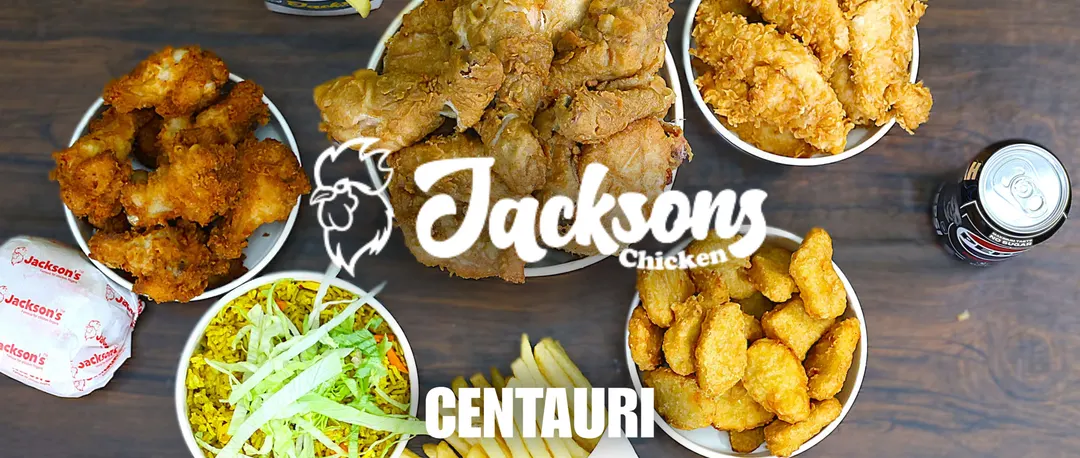
Take Jacksons Chicken, for example. Operating in a saturated fried chicken market, they faced the challenge of standing out amongst numerous competitors offering similar products. While their offering was strong, their existing content lacked the consistency and visual impact needed to capture attention instantly. The solution wasn’t to reinvent the product, but to rethink how it was presented.
Centauri deployed a refined content strategy centred around high-quality, sensory-led visuals designed to maximise product appeal. By focusing on key food moments—crispy textures, sauce glazes, and the satisfying pull of perfectly cooked chicken—we created a series of posts that didn’t just look good, but felt irresistible. The results speak for themselves: the campaign generated +1.2M views, proving that when content is both consistent and crave-worthy, conversion follows naturally.
The lesson here isn’t unique to Jacksons Chicken. Any food or beverage brand can apply the same principle: your content should be a visual promise of the experience your product delivers. And that promise needs to be repeated, reinforced, and refined over time. For a deeper dive into how this approach worked in practice, you can explore the full Jacksons Chicken case study.
What 2026 Holds for Food Content
Looking ahead, the trends that defined 2025 are only accelerating. Here are three areas that will shape content marketing for food and beverage in 2026:
- Interactive content: Polls, quizzes, and “choose your own adventure” style posts are becoming more common. Brands that let audiences engage with their food stories—like voting on a new flavour or assembling a virtual burger—see higher dwell time and stronger emotional connection.
- User-generated content (UGC): Authenticity matters more than ever. Reviews, unboxings, and “at-home” recreations of restaurant dishes build trust in ways polished brand content can’t always match. Smart brands are curating UGC into their own feeds, turning customers into content creators.
- Personalisation at scale: With AI tools getting smarter, brands can now tailor content to individual preferences—think dynamic recipe suggestions based on past purchases or location-specific menu highlights. The goal is to make every interaction feel personal, even when it’s automated.
But none of these trends work without a strong foundation. The brands that will win in 2026 are those that have already invested in a consistent, sensory-driven content engine. They’re the ones that understand that conversion isn’t a single event—it’s the cumulative effect of dozens of small, meaningful interactions.
The Bottom Line: Content That Works
Content marketing for food and beverage isn’t about chasing viral moments. It’s about building a reliable, repeatable system that turns curious scrollers into loyal customers. The data from Jacksons Chicken shows that even in a crowded market, a focused strategy can deliver massive reach—and that reach translates into real business results when the content is designed to convert.
The takeaway for any brand? Invest in storytelling that appeals to the senses. Be consistent. Let your audience taste your product through their screen. And don’t be afraid to lean into the trends that bring your food to life, whether that’s interactive polls or user-generated raves.
Because in 2026, the brands that don’t just feed their customers—but feed their imaginations—will be the ones that thrive.
Want the full story? Read our case study with Jacksons Chicken.