Marketing
Beyond Pretty Pictures: Building a Clear Path from Food Post to Order
How brands are moving beyond recipes and reviews to cut through the noise and drive real orders, engagement, and loyalty.
The New Table Stakes for Food & Beverage Brands
The food and beverage industry has never been louder. Scroll through any social feed or search engine results page, and you’ll be hit with a flood of stylised flat lays, influencer-backed meal kits, and countless competing claims for the best burger, the best brew, or the best brunch. By 2026, standing out in this saturated space will demand more than a great product — it demands a content marketing strategy built for conversion, not just likes.
Content marketing in food and beverage has evolved. Gone are the days when a weekly recipe post and a few happy-hour promotions were enough to keep customers coming through the door. Today, audiences crave sensory engagement, authentic storytelling, and proof of quality before they part with their time or money. The brands winning in 2026 are those that create content designed to convert at every stage of the customer journey — from discovery to the first bite, and beyond.
Why "Pretty Pictures" Aren't Enough Anymore
Visual content is still king in food marketing, but the bar has risen dramatically. A glossy photo of a perfectly plated dish might draw a momentary glance, but it rarely drives a transaction on its own. Consumers have become savvy, almost immune, to polished stock-style imagery. They want to see the sizzle. They want to feel the texture. They want to be transported into the experience of eating.
This is where a refined approach to content becomes a decisive edge. Smart food and beverage marketers in 2026 are focusing on high-quality, sensory-led visuals that capture food in its most compelling moments: the flame hitting the grill, the steam rising from a freshly poured coffee, the crunchy crust yielding to reveal a tender inside. These are not just images — they are emotional triggers that build anticipation and desire.
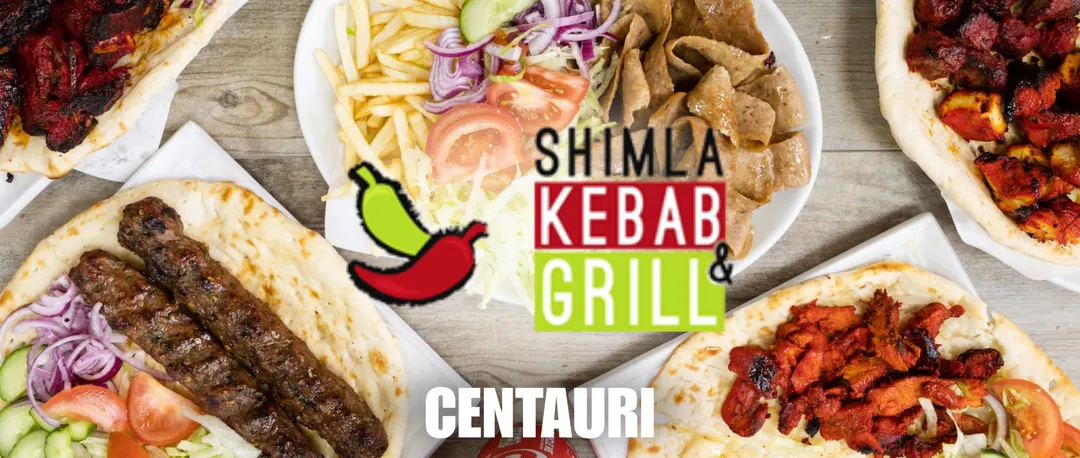
A powerful example comes from the real-world case of Shimla Kebab & Grill, a local favourite operating in a fiercely competitive food market. Despite a strong menu and a loyal following, the brand struggled to cut through digitally against a sea of similar offerings. By shifting its content strategy toward sensory-rich visuals — focusing on grilling processes, texture highlights, and portion appeal — the brand transformed its digital presence and achieved a remarkable +75K views and +5.5K likes across its content assets.
Content That Drives Action: From View to Order
The ultimate test of any food content marketing strategy is not how many views you get — it’s how many people end up placing an order, making a reservation, or walking through your door. In 2026, conversion-focused content requires tight integration between what customers see and what they can do next.
That means every piece of content should include a clear, frictionless path to action. A video of burgers being flame-grilled should be paired with a direct link to the menu or an online ordering platform. An Instagram story about a limited-time seasonal dish should include a "swipe up" option to pre-order. A blog post exploring the origins of a signature ingredient should end with a button to book a table. This is not about hard selling — it’s about shortening the distance between inspiration and action.
Brands that master this approach see far higher conversion rates because they respect the customer’s intent. They don't expect the audience to go hunting for a website or a phone number. They make the next step obvious, immediate, and often mobile-friendly. In fact, the broader marketing services (opens in a new tab) that support this kind of integrated funnel are becoming essential for any F&B brand serious about growth in the year ahead.
Personalisation and Localisation Are the Next Frontier
Another defining trend for 2026 is the move toward hyper-personalised and hyper-local food content. Generic national campaigns are losing their pull. Customers want to see food that feels relevant to their location, their preferences, and their lifestyle. That means a brand with multiple locations should tailor its content to each neighbourhood — not just with different addresses, but with imagery, language, and offers that reflect the local community.
For example, a kebab brand in one city might highlight its late-night delivery service and student-friendly deals, while the same brand in a more family-oriented suburb might focus on weekend lunch platters and kid-approved combos. This localised approach shows customers you understand their world, which builds trust and loyalty far more effectively than a one-size-fits-all campaign.
Content can also be personalised based on customer behaviour. If someone consistently orders a particular dish through a delivery app, follow-up content featuring that dish — perhaps a behind-the-scenes video of it being prepared, or a limited-time variation — can nurture repeat purchases. Smart use of data, combined with consistent content creation, turns a one-time buyer into a regular.
Building a Cohesive Content Engine
To achieve sustainable results in 2026, food and beverage brands need a content engine — not a one-off campaign. This means creating a content calendar that balances different formats and channels, from short-form video on TikTok and Reels to longer-form storytelling on blogs and email newsletters. It also means maintaining a consistent visual and tonal identity across every touchpoint.
Consistency builds recognition. When a customer sees your content on any platform — whether it’s a post about a new menu item or a behind-the-scenes look at your kitchen — they should instantly know it’s your brand. This recognition is the foundation of trust, and trust is what ultimately drives the decision to convert.
Measuring What Really Matters
Finally, content marketing in 2026 must be measured on outcomes that matter. Vanity metrics like impressions and reach still have their place, but they should be paired with conversion data: click-through rates to order pages, coupon code redemptions, booking form completions, and repeat purchase rates. Only by connecting content performance to actual business results can you refine your strategy and maximise your return on investment.
The brands that will thrive are those that treat content not as a creative afterthought, but as a core lever for growth. By focusing on sensory quality, seamless action paths, personalisation, and consistent delivery, food and beverage brands can break through the noise and build lasting connections with the people who matter most — their customers.