Marketing
Aspirational Visuals, Local Roots: How Vivace Changed the Conversation
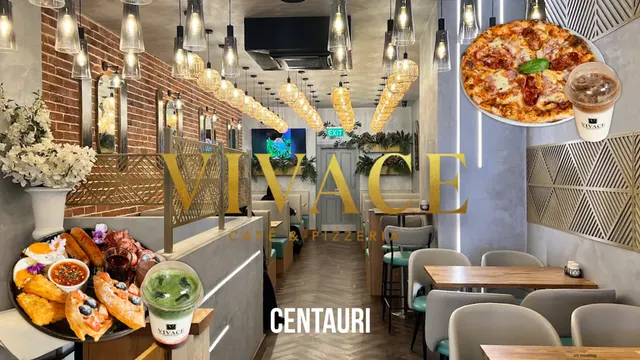
Discover how visual-first content marketing is reshaping the Food & Beverage industry in 2026, with proven strategies that drive engagement and convert local audiences.
The Shift Toward Authentic Visual Storytelling
The Food & Beverage landscape in 2026 is no longer about simply listing menu items or shouting about discounts. Diners have become sophisticated content consumers. They scroll through Instagram, TikTok, and even LinkedIn, looking for experiences that feel genuine, aspirational, and worth sharing. The brands winning right now are those that have mastered visual storytelling — not just pretty pictures, but narratives that evoke emotion, build trust, and create a sense of place.
For restaurants, cafes, and food businesses, the challenge is cutting through the noise. A generic photo of a pizza or a latte no longer stops the thumb. What does? Cinematic, high-quality content that transports the viewer. Think golden-hour lighting, slow-motion pouring shots, and behind-the-scenes glimpses of the kitchen team. This kind of content doesn't just showcase food; it sells the vibe, the atmosphere, and the identity of the brand. And in a post-pandemic world where local patronage is everything, that vibe has to feel both premium and relatable.
Centauri has observed that the most effective content marketing strategies in F&B now treat every social post as a mini-movie — with a beginning, a middle, and a visual payoff. The goal isn't to sell a single meal, but to make the viewer feel like they're already there. That emotional connection is what converts scrolling into reservations.
Why Hyper-Local Context Matters More Than Ever
In 2026, the word "local" has evolved beyond geography. It now encompasses local culture, local challenges, and local pride. For a food business, the smartest move is to lean into what makes its location unique — even if that location carries certain stigmas or misconceptions. That's where content marketing becomes a powerful repositioning tool.
Consider a business operating in an area that might be perceived as crowded, dated, or less desirable. Instead of ignoring that perception, forward-thinking brands use content to directly challenge it. They create a narrative of a hidden gem — a sanctuary that defies its surroundings. This isn't about tricking the audience; it's about showing them a truth they might have missed. By focusing on stunning interior design, professional service, and an elevated menu, the brand builds a new mental map for the customer.
The key is to pair that aspirational visual content with marketing that feels rooted in the community. Highlighting student discounts, local partnerships, or neighbourhood events grounds the brand in reality. It says: "Yes, we are premium, but we are also your premium." That combination of high-end perception and local accessibility is a proven formula for driving footfall from nearby residents who might otherwise have overlooked the venue.
Data-Backed Results: The Vivace Effect
To understand what this looks like in practice, look no further than the recent work with Vivace Cafe & Pizzeria in Birmingham. Facing a local stigma around the Alum Rock area, Vivace needed to differentiate itself from its surroundings and position itself as a destination in its own right. The solution was a visual contrast branding approach: cinematic content that highlighted the venue's stunning interior — plush seating, elegant lighting, and a lively open kitchen — while deliberately excluding any external shots of the less glamorous street view.
That polished, aspirational feed was then paired with student-centric marketing that made the venue feel accessible. The results speak for themselves: over 1.1 million impressions, 32,000 likes, 11,000 shares, and 858 comments across the campaign. These aren't vanity metrics; they represent a real shift in perception and a tangible increase in engagement. The content did exactly what it was designed to do — change the story.
You can read the full Vivace Cafe & Pizzeria case study for a deeper dive into the strategy. For now, note that the campaign's success didn't come from a big budget or celebrity endorsements. It came from a clear understanding of the audience's emotional drivers and a commitment to visual excellence that matched the brand's physical environment.
Three Content Marketing Pillars for 2026
Drawing from patterns across successful F&B campaigns, three pillars consistently emerge as essential for conversion-focused content marketing in 2026.
First, invest in visual quality — ruthlessly. In a world where everyone has a smartphone camera, the bar for "good enough" has risen. Grainy, poorly lit, or hastily composed shots signal a lack of care. Customers now equate visual polish with food quality and service standards. That doesn't mean you need a Hollywood budget, but it does mean lighting, composition, and consistency matter far more than frequency. One stunning post can outperform a dozen mediocre ones.
Second, tell a story that includes the audience. The best content doesn't just show food; it shows people enjoying it. It shows the laughter, the first bite, the clinking glasses. It invites the viewer to imagine themselves in that seat. For local businesses, this means featuring real customers (with permission), highlighting staff personalities, and documenting community events. This authenticity builds trust and makes the brand feel like a friend, not a faceless corporation.
Third, measure what matters. Impressions are great, but the metric that converts is engagement that leads to action — shares, saves, comments, and especially direct messages or clicks to the booking page. The Vivace campaign saw 11,000 shares, meaning 11,000 people voluntarily distributed that content to their own networks. That's organic advocacy that no paid ad can replicate. Tracking these deeper metrics allows you to double down on what resonates.
How to Start Building Your Content Engine Today
If you're a restaurant owner or marketer reading this and wondering where to begin, start with an audit of your current content. Ask: Does this help someone feel something? Does it challenge any negative perceptions people might have about my location or brand? Does it look like it belongs on a premium feed? If the answer is no, it's time to pivot.
Consider partnering with a content marketing agency that understands both the art and the strategy behind it. Centauri's Marketing services (opens in a new tab) are designed specifically to help F&B brands build these visual narratives — from strategy and production to distribution and analysis. The goal is not to flood feeds with noise, but to create a small number of highly effective assets that do the heavy lifting.
In 2026, content marketing that converts is not about being loud. It's about being clear, being beautiful, and being local. It's about changing the conversation around your brand — one cinematic shot at a time. And as the numbers from the Vivace campaign prove, when you get the story right, the audience will not only watch — they'll share, they'll comment, and they'll walk through your door.
Want the full story? Read our case study with Vivace Cafe & Pizzeria.