Marketing
The Science of Sizzle: Sensory Content Lessons from Shimla Kebab & Grill
How sensory-led content strategies are reshaping the food and beverage industry, with real results from a local success story.
The New Rules of Food Content
The food and beverage industry has always been about more than just taste. It's about the sizzle of a grill, the steam rising from a freshly plated dish, and the visual promise of a meal that feels both indulgent and authentic. But as we approach 2026, the digital landscape for food brands has become more crowded than ever. Restaurants, cafes, and food producers are all vying for the same limited attention span of hungry consumers scrolling through social feeds and search results.
The question is no longer whether you need content marketing, but how to make it actually convert. Generic food photography and recycled menu descriptions simply won't cut it anymore. The brands winning in 2026 are those that understand content as a sensory experience—one that triggers craving, builds trust, and drives action.
Why Sensory Storytelling Wins
The science is simple: humans eat with their eyes first. But in a saturated market, that visual appeal needs to go deeper than a well-lit burger shot. The most effective food content marketing today focuses on process, texture, and the emotional resonance of a meal. It's about showing the flame meeting the meat, the knife slicing through a crispy crust, or the steam rising from a bowl of comfort food.
This approach works because it taps into what psychologists call "mental simulation"—the brain's ability to imagine the taste, smell, and texture of food just by seeing it. When done right, sensory content doesn't just attract views; it creates a craving that leads directly to a purchase decision.
The Local Success Story: Shimla Kebab & Grill
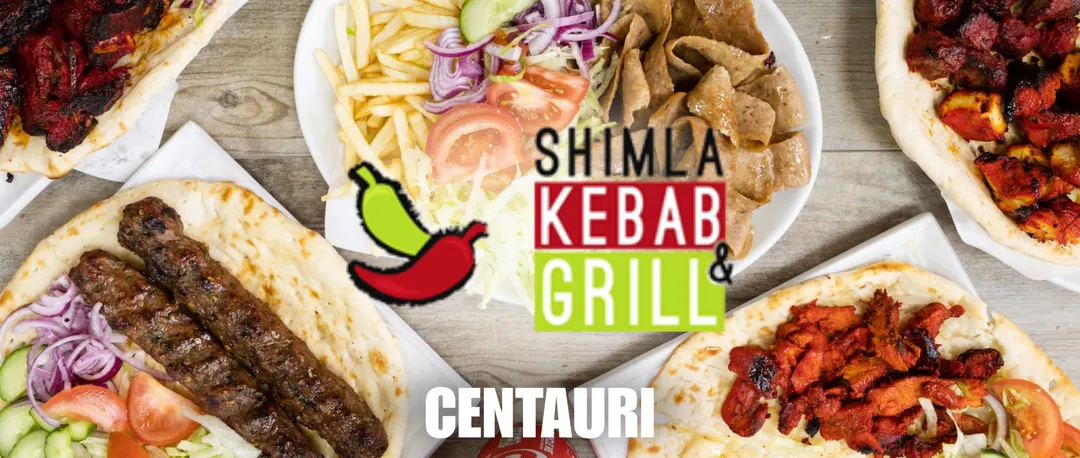
One brand that has mastered this approach is a local gem operating in a fiercely competitive food market. Shimla Kebab & Grill faced a challenge familiar to many independent restaurants: a strong menu and loyal customer base, but a digital presence that failed to capture the magic of the dining experience. In a sea of similar cuisine options, they needed content that would stop the scroll and fill seats.
Centauri stepped in with a refined content strategy built entirely around sensory-led visuals. Instead of standard menu shots, the focus shifted to the grilling process itself—flame-kissed meats, the texture of freshly baked bread, and the visual appeal of plated dishes that told a story. Every piece of content was designed to make the viewer feel like they were right there, smelling the charcoal and hearing the sizzle.
The results speak for themselves. The campaign generated over 75,000 views and 5,500 likes, proving that when content marketing is done with intention, it doesn't just build awareness—it builds a community of hungry followers ready to convert.
What Makes Content Convert in 2026
The Shimla example highlights several principles that are defining food and beverage content marketing heading into 2026.
First, authenticity over perfection. Consumers are increasingly skeptical of overly polished, stock-style food imagery. They want to see real food, real cooking processes, and real people enjoying meals. The most engaging content often comes from behind-the-scenes moments—a chef's hands working dough, the first pour of a sauce, or the steam rising from a freshly opened takeaway container.
Second, consistency across platforms. A single viral post is nice, but it rarely drives sustained business growth. The brands winning in 2026 are those that maintain a steady rhythm of high-quality content across social media, their website, and local search listings. This consistency builds what marketers call "top-of-mind awareness"—when a craving strikes, your brand is the first one that comes to mind.
Third, local relevance. For food and beverage businesses, especially independent ones, the audience is inherently local. Content that speaks to local tastes, events, and community connections performs significantly better than generic national campaigns. This is where the intersection of content marketing and local SEO becomes critical.
Integrating Content with Your Marketing Ecosystem
Content marketing doesn't exist in a vacuum. The most effective strategies weave content into a broader marketing ecosystem that includes search engine optimization, social media advertising, and email marketing. For food and beverage brands, this means ensuring that every piece of content serves a dual purpose: engaging the audience and driving measurable action.
For example, a video of a chef preparing a signature dish can be posted on Instagram to build engagement, embedded on the menu page of your website to improve dwell time and SEO, and included in an email newsletter to re-engage past customers. Each touchpoint reinforces the same sensory message, creating a cohesive brand experience that converts.
If you're looking to build or refine your own content marketing strategy, Centauri's Marketing services (opens in a new tab) offer a full spectrum of support, from strategy development to content production and performance analysis.
The Metrics That Matter
While views and likes are encouraging, the true measure of content marketing success is conversion. For food and beverage brands, this can mean online orders, reservation bookings, event sign-ups, or even foot traffic driven by a social media post.
The Shimla campaign's 75,000 views and 5,500 likes are impressive, but the real value lies in how that engagement translated into real-world results. When content is designed with conversion in mind—clear calls to action, easy paths to purchase, and content that builds genuine desire—the numbers follow.
Looking Ahead to 2026
As we move further into 2026, the food and beverage content landscape will continue to evolve. Short-form video will remain dominant, but the brands that stand out will be those that use it to tell deeper stories. User-generated content will grow in importance, as diners become brand advocates through their own posts. And the integration of AI tools will allow for more personalized content experiences, serving the right visual to the right person at the right moment.
But the fundamentals remain unchanged. Great food content is about making people feel something. It's about capturing the moment before the first bite, the anticipation, the aroma, the warmth. When you get that right, the conversions follow naturally.
For food and beverage brands ready to elevate their content marketing, the time to act is now. The market is only getting more competitive, but the opportunities for those who understand the power of sensory storytelling are immense.