Marketing
Content Marketing for Retail 2026: Why Consistency Beats Virality
In 2026, the retailers winning online aren't chasing viral moments—they're building trust through disciplined, data-driven content strategies that deliver measurable results.
The New Rules of Retail Content
Walk into any high street or scroll through any social feed, and you'll see it: retail brands are fighting harder than ever for a sliver of attention. The days of posting a single polished campaign every quarter are over. The winners in 2026 understand that content marketing for retail isn't about occasional bursts of creativity—it's about showing up consistently, predictably, and with purpose.
The UK grocery sector is a perfect case in point. With inflation-weary shoppers becoming more discerning, supermarkets must justify every penny spent. But simply slashing prices isn't enough. The brands that thrive are the ones that tell a compelling story about quality, freshness, and community values. They use content to bridge the gap between online discovery and in-store experience.
From Campaigns to Constant Conversation
The biggest shift in retail content strategy over the past two years has been the move from "campaign-first" to "always-on." Traditional marketing calendars with four big pushes a year are giving way to weekly—sometimes daily—content rhythms. Why? Because the algorithms reward consistency, and audiences reward reliability.
For brands operating in specialist or multicultural niches, this consistency is even more critical. When your customer base is community-driven, they expect to see their values reflected in your content every single day. They're not looking for a one-off sale; they're looking for a brand that understands their lifestyle.
This is where the deep consumer market intelligence becomes the secret weapon. Knowing what resonates with your audience—not just demographically, but culturally and emotionally—lets you produce content that feels personal. And when you pair that intelligence with a high-frequency output model, you create a flywheel of engagement that's hard to stop.
The Proof Is in the Numbers
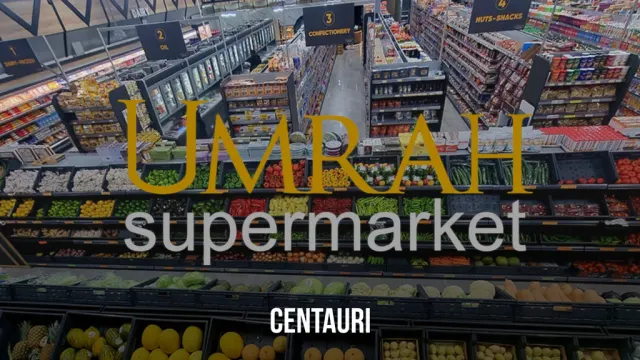
One supermarket that has executed this model brilliantly is a leading UK ethnic grocery chain. Centauri partnered with them to transform their digital presence from a sporadic posting schedule into a content engine that consistently delivered fresh, cinematic material. The approach was simple: produce regular, high-quality visual content that highlighted their extensive range of inclusive Halal products, fresh bakery items, and meticulously clean shopping environments.
The results speak for themselves. Over a sustained period, the brand generated 10 million impressions, 304,000+ likes, and 54,000+ shares across social platforms. Those aren't vanity metrics—they're signals of deep engagement. When a piece of content is shared 54,000 times, it means people aren't just scrolling past; they're actively advocating for the brand.
You can explore the full breakdown of how we achieved those numbers in the Umrah Supermarket case study. But the key takeaway is this: consistency, backed by data, beats viral one-offs every time.
How to Build a Content Engine That Lasts
So what does it take to replicate that kind of success for your retail brand in 2026? Here are the pillars that matter most.
1. Visual Consistency That Builds Brand Memory
In retail, the product is the hero—but the way you frame it matters enormously. Cinematic content isn't just for luxury brands anymore. Even everyday grocery items can look aspirational when shot with the right lighting, composition, and colour palette. The goal is to create a visual language that customers recognise instantly in their feed.
For the supermarket we worked with, every piece of content reinforced the message of cleanliness, abundance, and inclusivity. Whether it was a close-up of freshly baked bread or a wide shot of a spotless aisle, the aesthetic was unmistakably theirs.
2. Data-Informed Content Calendars
Gut instinct has its place, but in 2026, the best retail content teams are guided by actual consumer insights. What products are trending? When are your customers most active? What emotional triggers drive shares versus likes? By feeding real-time data into the content planning process, you can double down on what works and cut what doesn't.
Our marketing services (opens in a new tab) are built around this exact principle—using intelligence to shape creative execution, not the other way around.
3. Community Feedback Loops
The most powerful content often comes from the audience themselves. Encouraging user-generated content, responding to comments, and featuring real customers in your posts turns passive viewers into active participants. When people see themselves reflected in a brand's content, loyalty deepens.
Why 2026 Is the Year of the Grocer
Grocery retail has traditionally been seen as low-interest content territory. But that's changing fast. With rising food costs and increased focus on healthy eating, shoppers are hungry for information: how to cook, where ingredients come from, what makes a product halal or organic. Retailers who step up as educators and storytellers will capture that attention.
The winning formats in 2026 include short-form video that tours new product arrivals, behind-the-scenes looks at bakeries and deli counters, and seasonal content that ties into cultural celebrations. Authenticity is the currency—and polished but genuine content spends it well.
The Bottom Line for Retail Brands
Content marketing for retail in 2026 isn't about shouting louder than competitors. It's about building a relentless rhythm of valuable, beautiful, and relevant content that your audience can set their watch by. When you combine that rhythm with solid market intelligence and a clear brand identity, the results compound.
The proof lies in the numbers we've seen: 10 million impressions, over 300,000 likes, and more than 50,000 shares from a single sustained campaign. That's not luck—it's a system. And it's a system any retail brand can adopt, provided they're willing to commit to consistency over gimmicks.
If you're ready to build a content engine that performs in 2026 and beyond, take a page from the playbook that turned one supermarket's digital presence into a community touchstone. The future of retail content is steady, smart, and deeply human.
Want the full story? Read our case study with Umrah Supermarket.