Marketing
Content Marketing for Retail 2026: Why Consistency and Authenticity Win in Supermarkets
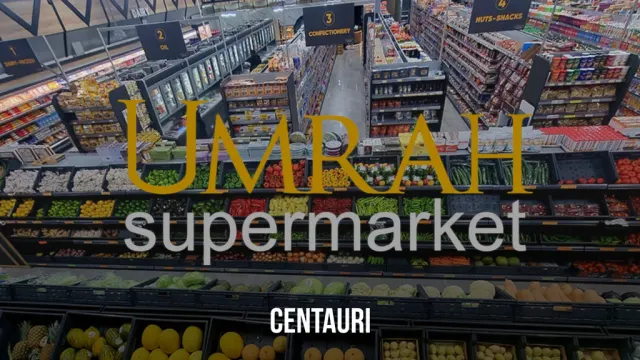
As UK grocers fight for attention in an oversaturated market, the brands winning in 2026 will be those that treat content as a strategic asset rather than an afterthought.
The New Rules of Retail Content
If you’ve walked through a supermarket aisle lately, you’ve felt the pressure. Every brand is screaming for attention — on shelf, on screen, on the bus stop poster. For retailers, the battleground has shifted from price wars to perception wars. And the most effective weapon in that arsenal? Content marketing.
But here’s the twist: in 2026, generic social media posts won’t cut it. Shoppers are savvier, platforms are more cluttered, and algorithms reward depth over breadth. The retailers that thrive will be the ones that build a consistent, authentic content ecosystem — one that speaks not just to what people buy, but to who they are and what they value.
For grocers especially, this means moving beyond product shots and promotional offers. It’s about telling stories that resonate with local communities, showcasing the care behind sourcing, and proving that your stores are more than just a place to pick up essentials. It’s a shift from transactional to relational — and it’s exactly where content marketing becomes the most powerful tool in your strategy.
---
Why Cinema-Quality Visuals Matter More Than Ever
One of the biggest shifts in retail content is the expectation of quality. Consumers in 2026 have been trained by Netflix, Instagram, and TikTok to expect cinematic production value from every brand they follow. But “cinematic” doesn’t have to mean expensive. It means intentional: lighting, composition, pacing, and narrative coherence.
For UK supermarkets, this is a golden opportunity. The sheer variety of fresh produce, bakery items, and seasonal goods provides an endless canvas for visually compelling content. Yet many retailers still lean on stock imagery or rushed smartphone clips. The winners invest in a consistent visual language that makes every post feel like a frame from a bigger story — one that reinforces cleanliness, abundance, and trust.
Crucially, that consistency extends to frequency. A brand that posts once a week and a brand that posts five times a week send very different signals to both customers and the algorithm. High-frequency publishing, done well, builds momentum. It says: “We’re here, we’re vibrant, and we’re part of your daily life.”
---
The Data Behind the Approach: A Case in Point
To see how this plays out in practice, consider a UK supermarket that faced exactly these challenges. Competing in a crowded grocery market, it needed to strengthen its brand positioning while showcasing its stores as clean, welcoming, and inclusive destination spots. The solution wasn’t a single viral campaign — it was a disciplined content marketing engine.
By producing regular, high-quality content that highlighted a wide array of inclusive Halal products, fresh bakery sections, and behind-the-scenes preparation, the brand built a loyal following. The results speak for themselves: over 10 million impressions, more than 304,000 likes, and over 54,000 shares across social platforms. These aren’t vanity metrics — they’re signals of genuine engagement and deepening brand affinity.
That brand is Umrah Supermarket, and its story is a living proof that content marketing, when executed with strategic consistency, can deliver measurable business outcomes. You can read the full details in the case study to see how a structured approach to content transformed digital presence.
What’s significant here is the scale. Ten million impressions didn’t happen by accident. They came from a repeatable model: deep audience understanding, a content calendar that balanced product showcases with community storytelling, and a relentless focus on quality control. Every post reinforced the brand’s core promise — that shopping here is a pleasant, respectful experience.
---
Making Content Marketing Work for Your Retail Brand
So how does a retailer replicate this kind of success? It starts with the right foundation — what we call a content marketing maturity model. For most UK grocers in 2026, the gap isn’t in creativity; it’s in structure. Here are three pillars to build:
1. Audience-first storytelling. Too many retailers lead with what they want to say rather than what customers need to hear. The best content addresses real pain points: meal inspiration for busy parents, dietary confidence for Halal or kosher shoppers, or a glimpse into the freshness journey from farm to shelf. Use data from loyalty cards, store traffic, and social listening to shape narratives.
2. High-frequency consistency with a human touch. Posting often is only half the battle. The other half is ensuring every post adds value — whether it’s a quick recipe video, a team member spotlight, or a seasonal produce calendar. Consistency builds algorithmic favour, but authenticity builds emotional connection. Avoid templated, robotic output.
3. Measurable content operations. The numbers from Umrah Supermarket didn’t just look good; they were tracked against clear KPIs — impressions, engagement rate, sentiment, and ultimately footfall uplift. Every piece of content should have a purpose and a metric that ties back to business goals. That’s how content shifts from a cost centre to a profit driver.
For retailers ready to take this step, a structured partnership can accelerate the journey. Centauri’s content marketing services (opens in a new tab) are designed to help brands build exactly this kind of scalable, insight-led approach — from strategy through to production and optimisation.
---
Looking Ahead to 2026
The next 12 months will separate the content leaders from the laggards. As platforms continue to fragment and consumer attention becomes the scarcest resource, supermarkets must treat content marketing as a core operational discipline — not a side project.
What worked in 2024 — a few posts a week, product-led captions, minimal community interaction — won’t sustain in 2026. The winners will be those that embrace the new rules: think like a publisher, produce like a studio, and listen like a neighbour.
Content marketing for retail in 2026 isn’t about shouting louder. It’s about showing up more often, with more purpose, and with a visual voice that feels both premium and personal. The retailers that do that won’t just get likes — they’ll get loyalty.
Want the full story? Read our case study with Umrah Supermarket.