Marketing
Content Marketing for Food & Beverage in 2026: Why Local Flavour Beats National Noise
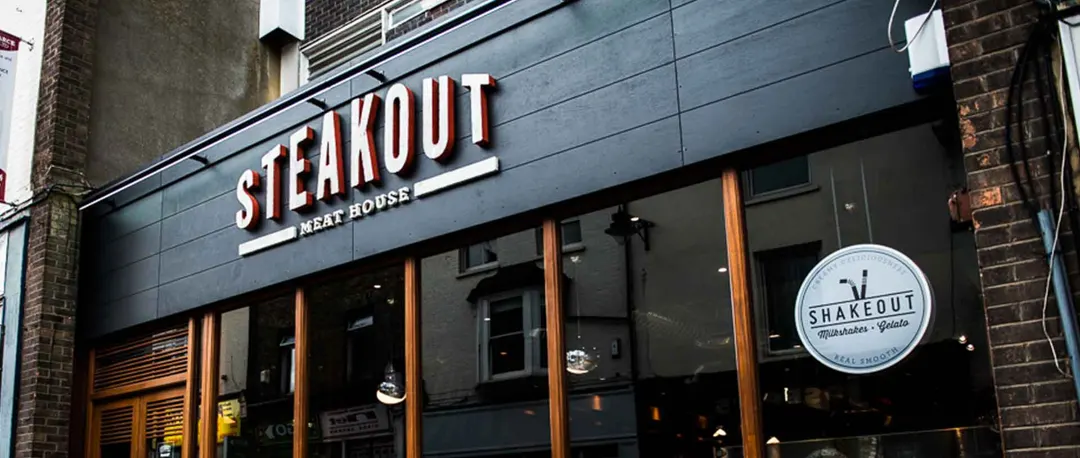
For food and beverage brands, the battle for attention in 2026 isn’t won with volume—it’s won with sensory-led storytelling that makes local audiences stop scrolling.
The New Rules of Engagement for F&B Brands
Let’s face it: the food and beverage landscape in 2026 is louder than ever. National chains pour millions into polished campaigns, while independent eateries fight for a sliver of local attention. Yet the biggest shift isn’t in budgets—it’s in behaviour. Consumers no longer trust big-budget gloss. They want to see the sizzle, smell the smoke, and feel the texture before they ever step through a door.
Content marketing for food & beverage in 2026 is therefore not about posting a menu photo and hoping for the best. It’s about creating a consistent, sensory-rich narrative that turns a passive scroller into a hungry visitor. The brands winning right now are the ones treating every post, every video, and every story as a small sensory event—not just an update.
This shift is especially critical for local outlets under a national umbrella. Being part of a recognised brand can open doors, but it also creates a challenge: how do you stand out on your own street when your name is already familiar? The answer lies in hyper-local, emotionally resonant content that national campaigns simply cannot deliver.
Sensory-Led Storytelling: The Winning Formula
The most effective content marketing strategies in the food and beverage sector now centre on what we call "sensory-led storytelling." This means prioritising visuals that evoke taste, touch, and even sound—think close-ups of caramelising crust, slow-pour sauces, and steam rising off a freshly grilled cut. It’s not about showing a plate; it’s about making the audience feel the heat.
Why does this work? Neuroscience tells us that visual food cues trigger the same brain regions as actual eating. High-quality, consistent imagery builds anticipation and sets expectations for the dining experience. In 2026, this is table stakes. Brands that fail to deliver visually rich, authentic content are simply invisible in a scroll-heavy feed.
But it’s not just about the imagery itself. Consistency matters enormously. Sporadic posting with mixed quality confuses your audience and dilutes brand recall. A unified visual language—whether it’s warm lighting, specific angles, or a recurring signature dish—builds familiarity. Over time, your local audience doesn’t just recognize your content; they crave it.
Case Study: How Steakout Turned Local Content into Massive Engagement
To see this approach in action, look no further than Steakout’s Luton location. Despite being part of a recognised national brand, the outlet faced a familiar problem: standing out at a local level and maintaining consistent digital engagement. Their existing content lacked the visual punch and coherence needed to capture attention amid stiff local competition.
Centauri stepped in with a refined content strategy built around the pillars of heat, texture, and premium presentation. Instead of generic shots of dishes, the team focused on key steakhouse moments—sizzling plates hitting the table, mid-cut reveals, and macro details that highlighted marbling and char. The result? A content engine that generated 22,000 likes and over 200,000 views for the local outlet.
These numbers aren’t vanity metrics. They represent genuine local awareness and engagement. For a single-location restaurant competing against both independents and the wider national brand, hitting six-figure view counts is game-changing. It means the content mattered to the community—and it transformed the outlet from a "branch" into a local destination.
What’s notable is that this wasn’t a huge media budget or a viral stunt. It was disciplined, consistent storytelling applied to a clear creative direction. It proves that for food and beverage brands, content quality and strategic focus outperform ad spend every time.
Practical Steps for Your 2026 Content Strategy
If you’re a marketer in the food and beverage space, here’s how to translate these insights into action this year:
- Audit your visual consistency. Scroll through your last dozen posts. Does it look like one brand, or a jumble? Define a visual style guide—lighting, colours, and recurring motifs—and stick to it.
- Double down on sensory cues. Emphasise textures, temperatures, and flavour-evoking details. Think steam, crunch, glaze, and char. Every post should make someone say, "I want that."
- Go hyper-local. Tag your neighbourhood, speak to local foodies, and reference community moments. National audiences are nice, but locals buy.
- Invest in volume with quality. Consistency beats occasional bursts. A regular cadence of high-quality content builds compounding returns.
- Lean into video. Short-form reels and stories are perfect for sizzling plate moments. The movement and sound add a sensory layer photos can’t match.
The Local Advantage in a Globalised Feed
One of the most interesting trends for 2026 is the rediscovery of local. In a world of globalised, algorithm-driven feeds, people increasingly crave content that feels close to home. For F&B brands, this is a golden opportunity. You don’t need to compete with national campaigns—you need to outperform them within your own postcode.
This is where the Steakout example shines. The national brand provides recognition, but local content builds relationships. It’s the difference between being a known name and being a beloved spot. And in 2026, beloved spots win.
To execute this effectively, many brands turn to specialists who understand both the creative and strategic sides of marketing (opens in a new tab). It’s not simply about handing over the social account; it’s about crafting a narrative that aligns with how your specific audience eats, shops, and scrolls.
What the Data Tells Us About the Year Ahead
Looking ahead, the brands that lead in food and beverage content marketing will share a few habits:
- They treat content as a product, not an afterthought. Every post is designed, shot, and captioned with purpose.
- They measure what matters. Likes and views are great, but footfall, reservations, and local brand searches are the real KPIs.
- They experiment constantly. Monthly trends change, algorithms shift, and audience tastes evolve. Staying nimble is non-negotiable.
- They humanise the brand. Behind-the-scenes, chef stories, and supplier spotlights build trust that polished ads can’t.
The challenge, of course, is doing this consistently while running a hospitality operation. That’s why more food and beverage businesses are forging partnerships with content teams that can maintain creative momentum without burning out internal staff.
Final Thought: Sizzle Sells
In the end, content marketing for food & beverage in 2026 is about one thing: making the audience feel the experience before they taste it. The brands that succeed are those that look beyond generic posts and invest in sensory-led, locally grounded storytelling.
The numbers from Steakout prove the approach works—22,000 likes and over 200,000 views are hard evidence that high-quality, consistent, sensory content resonates deeply. It’s not about going viral for the sake of it; it’s about embedding your brand into the local consciousness through content people actually want to watch.
So before your next campaign, ask yourself: is your content making local audiences hungry? If the answer is no, it’s time to turn up the heat.