Marketing
Content Marketing for Food & Beverage in 2026: The Year Storytelling Catches Fire
How brands are flipping the script on traditional marketing—and why community-driven content is the only recipe that works.
The New Table Stakes for Food & Beverage Brands
If you work in food and beverage marketing, you’ve probably felt the shift. The old playbook—beautiful product shots, polished brand videos, and a steady stream of promotional posts—is losing its bite. Audiences are tuning out. They want to feel something before they’ll reach for their wallets. In 2026, content marketing for food and beverage isn’t about selling a meal. It’s about feeding a story.
We’re seeing a definitive pivot toward authenticity, community, and cultural roots. Brands that treat their audience like a family—sharing the messy, beautiful, human side of what they do—are the ones winning the trust (and the revenue). The data backs it up: campaigns rooted in real narratives and genuine connection consistently outperform polished corporate content in both engagement and conversion.
Why 2026 Is the Year of the "Earned" Story
There’s a quiet revolution happening in how food brands approach content marketing. Paid ads still have their place, but they’re no longer the headliner. Instead, the smartest brands are investing in earned storytelling—content so compelling that people choose to watch, share, and engage organically.
Think about it. A perfectly lit photo of a burger might get a few likes. But a 15-second video showing the founder sneaking a taste of a new sauce in the kitchen, laughing with the team, and admitting they’re nervous about the launch? That goes viral. Because it’s real. It’s human. And it makes people feel like they’re part of the journey.
This is where Centauri’s marketing services (opens in a new tab) come into play. We help food and beverage brands build content strategies that don’t just show up—they matter. From cultural storytelling to hyper-local community engagement, the approach is about turning passive viewers into active brand advocates.
The Secret Sauce: Community-First Content
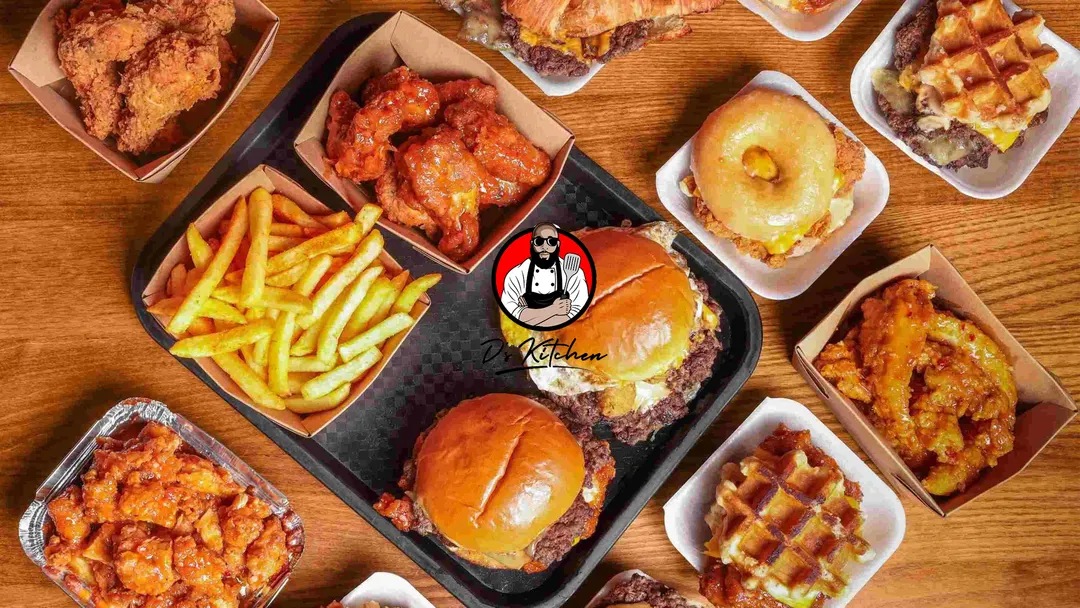
Let’s get specific. One of the most striking examples of this shift comes from a brand that started as a tiny London delivery service and grew into a beloved restaurant phenomenon. D's Kitchen—a name that fuses traditional Somali cuisine with modern fast-food flair—needed a massive turnaround in brand awareness to fuel its growth.
The challenge was no small one. Competing in the crowded food and beverage space meant standing out not just with flavour, but with narrative. The brand had a rich story: a founder’s journey, a cultural heritage, and a deeply loyal local following. But that story wasn’t reaching enough people.
So Centauri did what works in 2026: we went community-first. The strategy was built around targeted local teasers on TikTok and Instagram—short, punchy, authentic content that teased the brand’s soul. Behind-the-scenes footage of the kitchen. The founder’s personal reflections. Raw, unscripted moments that felt like an inside look, not a polished ad.
The results speak for themselves: 3 million video views, 2.2 million post views, over 123,000 likes, and 137,000+ accounts reached. That’s not just reach—that’s resonance. People weren’t just scrolling past. They were stopping, watching, and engaging.
You can read the full D's Kitchen case study for the deeper breakdown. But the takeaway is clear: when you make your audience feel like insiders, they reward you with attention and loyalty.
How to Apply This to Your Own Brand
So what does this mean for your food and beverage marketing in 2026? Here are three actionable shifts to consider:
1. Lead with culture, not product. Your menu is important. But what’s the story behind it? Who are the people making the food? What traditions or experiences shaped your recipes? Content that highlights cultural roots and personal journeys builds a connection that generic ads can’t touch.
2. Prioritise platforms that reward authenticity. TikTok and Instagram Reels aren’t just trends—they’re the primary vehicles for discovery. Short-form video that feels authentic, unpolished, and human outperforms high-production content every time. Raw doesn’t mean careless. It means relatable.
3. Build local before you build big. D's Kitchen succeeded because the content spoke directly to its community in Birmingham. It wasn’t trying to go viral globally—it was trying to win the neighbourhood. For food and beverage brands, local trust is the foundation for scalable growth. Focus on becoming the talk of your town before you conquer the world.
The Measurement That Matters
One of the biggest shifts we’re seeing in content marketing for 2026 is how brands measure success. It’s no longer just about impressions or follower counts. It’s about engagement depth—how long someone watches, whether they comment, share, or save, and ultimately whether they convert into a customer.
The numbers from the D's Kitchen campaign show this clearly. 3 million video views is impressive. But the 137,000 accounts reached—that’s a highly targeted, highly relevant audience. And the 123,000+ likes indicate genuine emotional connection. These aren’t vanity metrics. They’re signals of a community that cares.
For brands looking to invest in content marketing this year, we recommend setting KPIs that reflect real engagement. Reach matters, but resonance matters more. A smaller, passionate audience is worth far more than a large, indifferent one.
The Final Takeaway
Content marketing for food and beverage in 2026 is not about shouting louder. It’s about telling stories that people actually want to hear. It’s about leaning into your roots, your people, and your authenticity—and trusting that the right audience will find you.
At Centauri, we’ve seen firsthand that when you combine cultural storytelling with community-driven distribution, the results go far beyond likes and shares. They build lasting brand loyalty. And in an industry where taste is subjective, trust is everything.
Ready to rethink your approach? Let’s talk. Because your story is the ingredient that makes everything else taste better.
Want the full story? Read our case study with D's Kitchen.