Marketing
Content Marketing for Food & Beverage 2026: Winning on Taste, Trust, and Visibility
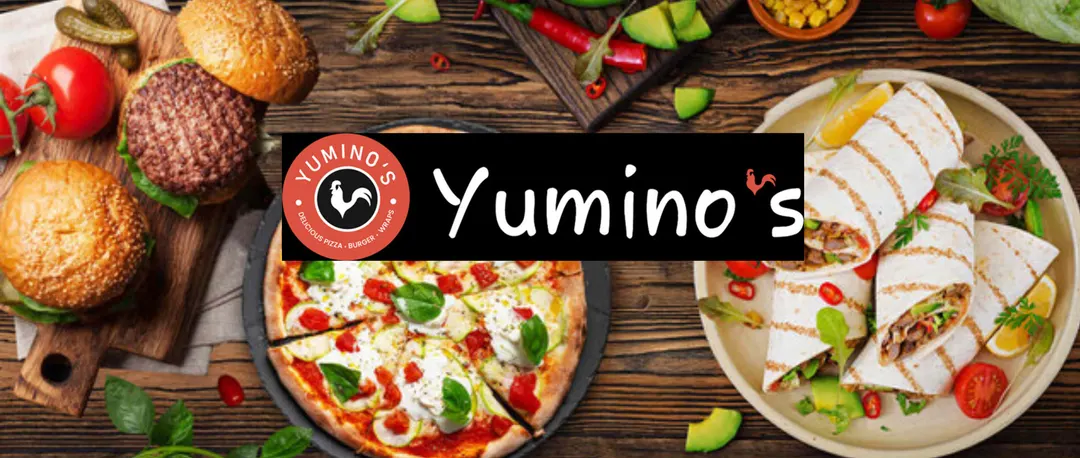
Discover how sensory-led content marketing is reshaping the F&B landscape, with proven results from a takeaway launch that gained 112K views.
The food and beverage industry has always been a visual affair. But as we move deeper into 2026, the stakes have never been higher. With endless scrolling feeds, algorithm-driven discovery, and a post-pandemic hunger for local experiences, brands that rely on static menu photos or generic promotional copy are getting buried. The winners are those who treat content marketing as a full-sensory experience — and the numbers prove it.
Why 2026 Demands a New Approach to F&B Content
The average consumer now decides where to eat or order from within seconds. They’re not reading long blog posts about farm-to-table philosophy; they’re watching a 15-second clip of molten cheese stretching from a pizza slice. Content marketing for food and beverage in 2026 is about capturing that split-second decision with authenticity, texture, and emotion.
But it’s not just about being flashy. The industry is shifting toward trust-based marketing. People want to see real food, real people, and real places. They’re skeptical of stock photography and polished influencer campaigns. Instead, they gravitate toward content that feels like a genuine recommendation — the kind of raw, mouth-watering footage that makes you stop scrolling and think, “I need that right now.”
This is where sensory-led content comes into play. By focusing on sounds (sizzles, crunch, pouring), visuals (close-ups on toppings, steam rising), and implied tastes (bright colors, melting textures), brands can trigger an almost Pavlovian response. It’s content marketing that doesn’t just inform — it persuades on a subconscious level.
The Sensory Content Strategy That Delivered 112K Views
One brand that embodied this approach from day one is Yuminos, a new takeaway in Halesowen. Facing the classic new-entrant challenge — zero audience, zero recognition, zero digital traction — they didn’t try to compete on words. Instead, they leaned into a launch-focused content strategy built around high-quality, sensory-led visuals.
The results speak for themselves: over 112,000 views on their launch content. That’s not a vanity metric; it’s proof that when you align content with how people actually consume food media (fast, visceral, shareable), you can generate massive organic reach without a paid budget.
What’s notable is that this wasn’t about chasing viral gimmicks. The content focused on cheese pulls, toppings, and heat-driven moments — the elements that make food irresistible on screen. This approach works because it mimics the way our brains process appetite triggers. In 2026, that’s the foundation of effective content marketing for food and beverage: not explaining why the food is good, but showing it in a way that feels almost edible.
Authenticity Over Production Value
There’s a common misconception that food content needs expensive cameras or professional lighting. While quality matters, the most engaging F&B content in 2026 is often the most authentic. Short clips shot on a smartphone, capturing a chef’s hands at work or a customer’s first bite, often outperform highly produced ads.
Why? Because they feel real. In an age where consumers are bombarded with polished advertisements, raw content stands out. It signals transparency and builds trust. For local takeaways and independent restaurants, this is a massive advantage over chains. You don’t need a marketing department; you need a phone and an eye for what makes your food visually compelling.
But authenticity doesn’t mean abandoning strategy. The best food and beverage content marketers balance spontaneity with intent. They know which items to feature, when to post (lunchtime cravings, weekend evenings), and how to pair visuals with short, punchy captions that drive action. That’s where the craft of content marketing truly lies — in understanding the psychology of your audience and delivering exactly what they want to see, before they even know it.
Local SEO and Content Marketing: A 2026 Power Couple
Another trend defining content marketing for food and beverage in 2026 is the marriage between content and local search. A video that gets 112K views doesn’t just build brand awareness; it also creates a digital footprint that search engines love. When those views come from people searching for “best pizza in Halesowen” or “new takeaway near me,” the impact on local SEO is enormous.
Centauri’s approach to marketing (opens in a new tab) integrates content strategy with local discovery. By embedding location-specific keywords, tagging places, and encouraging shares within the community, content becomes a long-term asset for visibility. For Yuminos, the 112K views didn’t just vanish after launch — they contributed to a foundation of social proof and search relevance that continues to pay dividends.
If you’re a food or beverage brand in 2026, your content should always serve two purposes: engage the person watching and signal relevance to the algorithm. That means using geotags, writing descriptions with local terms (neighborhood names, landmarks), and prompting engagement (“Tag a friend who needs to try this”). The brands that treat content as both art and utility will dominate local search results.
From Views to Visits: Measuring What Matters
While view counts are exciting, the ultimate goal of food and beverage content marketing is foot traffic or orders. The beauty of sensory-led content is its directness. A video of a sizzling burger or a glistening dessert doesn’t require a complex call-to-action; the desire is immediate. But brands still need to bridge the gap between watching and buying.
Smart content marketers in 2026 use tactics like limited-time offers tied to specific posts, swipe-up links in stories, and QR codes in physical locations that lead to the same content. They track not just views, but click-through rates, coupon redemptions, and new customer acquisition from content channels. The Yuminos example shows that high reach is achievable, but the real success comes when that reach converts into loyal customers who return week after week.
Preparing Your 2026 Content Marketing Plan
If you’re a food or beverage business planning your content marketing strategy for 2026, here are the key takeaways:
- Lead with sensory visuals. Show the texture, the sizzle, the steam. Make your audience feel hungry before they read a single word.
- Prioritise authenticity over polish. Smartphone footage, behind-the-scenes clips, and customer reactions often outperform studio shoots.
- Optimise for local discovery. Use location tags, local keywords, and community hashtags to ensure your content is found by nearby customers.
- Measure beyond vanity metrics. Track conversions, new customer inquiries, and repeat visits tied to specific content pieces.
The food and beverage landscape in 2026 rewards brands that understand content isn’t just about being seen — it’s about being felt. Whether you’re a new takeaway launching with just a kitchen and a dream, or an established restaurant refreshing your digital presence, the principles remain the same: show your food in its best, most authentic light, and the audience will find you.