Marketing
Content Marketing for Food & Beverage 2026: Why Sensory Storytelling Is the New Competitive Edge
In a saturated market where every brand is vying for attention, the food and beverage industry is discovering that content marketing in 2026 is less about shouting louder and more about making people taste, smell, and feel through the screen.
The New Rules of Engagement in Food & Beverage
The food and beverage landscape has never been more crowded. From artisanal pop-ups to established chains, the digital shelf is overflowing with polished product shots, generic recipe posts, and the same tired "farm-to-table" narratives. For brands operating in competitive urban markets—like Birmingham’s thriving street-food scene—standing out requires more than just good food. It demands a content strategy that triggers the senses before a single bite is taken.
Content marketing for food and beverage in 2026 is undergoing a fundamental shift. The era of static, product-centric content is giving way to immersive, sensory-led storytelling. Consumers are no longer satisfied with knowing what a dish looks like; they want to anticipate its crunch, imagine its aroma, and feel the warmth of the experience. This is where the most forward-thinking brands are investing their marketing budgets—not in louder advertising, but in content that builds a visceral connection.
Why Sensory Storytelling Wins in a Saturated Market
The science is simple: our brains process sensory information faster than text. When a video captures the sizzle of a patty on a grill or the slow drip of a glaze over crispy chicken, it triggers the same neural pathways as actually tasting the food. This is the foundation of effective content marketing for food and beverage in 2026—creating content that doesn't just inform, but transports.
For brands in the food and beverage sector, this means rethinking the entire content pipeline. It's no longer enough to post a high-resolution photo of a burger. The winning content strategies focus on key food moments: the crack of a crust, the stretch of melted cheese, the steam rising from a freshly poured sauce. These micro-moments of sensory intensity are what stop the scroll and drive engagement.
The Proof Point: How Hotville Turned Sensory Content into Results
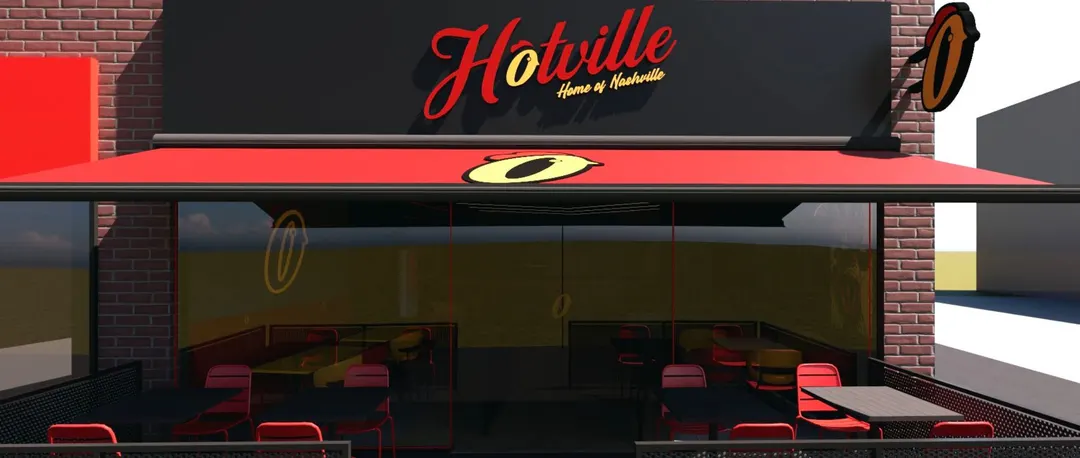
One brand that has successfully navigated this shift is Hotville, a Birmingham-based street-food operator that faced the exact challenge many food and beverage businesses encounter today. Operating within the city's saturated street-food landscape, Hotville had a strong product offering but struggled to differentiate itself and maintain consistent visibility across digital platforms. Their content was good—but it wasn't breaking through the noise.
Centauri deployed a refined content strategy centred around high-quality, sensory-led visuals designed to immediately capture attention and communicate flavour intensity. Instead of generic food photography, the approach focused on capturing the textures, glazes, and moments that make Hotville's offering unique. The results were measurable and significant, demonstrating that when content marketing for food and beverage is executed with sensory precision, it drives real business outcomes.
The Three Pillars of Sensory-Led Content Marketing
Based on what worked for Hotville and other food and beverage clients, we've identified three core pillars that define effective content marketing for food and beverage in 2026.
1. Visual Texture and Movement
Static images have their place, but the most impactful content in 2026 is dynamic. Short-form video that highlights texture—the crunch of fried chicken, the ooze of a sauce, the fluffiness of a bun—creates an almost Pavlovian response in viewers. This isn't about cinematic production value; it's about authenticity and immediacy. A well-lit, close-up shot of a dish being prepared can outperform a professionally produced commercial because it feels real and accessible.
2. Narrative Over Description
Consumers don't want to be told that a dish is "spicy" or "smoky." They want to be shown the journey of those flavours. Sensory storytelling weaves a narrative around the food: where the ingredients come from, how they're prepared, and the moment of first bite. This approach transforms content from a product listing into an experience. For food and beverage brands, this is the difference between a post that gets a like and one that gets a save, a share, and a visit.
3. Platform-Specific Adaptation
What works on Instagram Reels won't necessarily work on TikTok or LinkedIn. Effective content marketing for food and beverage in 2026 requires tailoring sensory content to the platform's native format and audience expectations. On visual-first platforms, the emphasis is on immediate sensory impact. On more text-heavy platforms, the sensory cues need to be woven into compelling copy that paints a picture with words. The brands that succeed are those that understand the nuances of each channel and adapt their sensory storytelling accordingly.
The Role of Data in Refining Sensory Content
Sensory storytelling isn't guesswork. The most successful content marketing for food and beverage in 2026 is data-informed. By analysing engagement metrics—watch time, shares, saves, and click-through rates—brands can identify which sensory triggers resonate most with their audience. Is it the sound of sizzling? The visual of a sauce being drizzled? The slow-motion capture of a bite?
This data allows for continuous refinement. For Hotville, the strategy wasn't static; it evolved based on what the audience responded to. The result was a content ecosystem that consistently delivered visibility and engagement, even in a crowded market.
Why Traditional Marketing Falls Short
Many food and beverage brands still rely on traditional marketing tactics: generic social media posts, stock photography, and promotional copy that focuses on price or location. In 2026, these approaches are increasingly ineffective. Consumers have developed a sophisticated filter for content that feels manufactured. They crave authenticity, and they can spot a generic post from a mile away.
Content marketing for food and beverage in 2026 demands a shift from broadcasting to connecting. It's about creating content that feels like a conversation, not an advertisement. Sensory storytelling achieves this by tapping into universal human experiences—the anticipation of a meal, the satisfaction of a perfect bite, the comfort of familiar flavours.
The Future of Food and Beverage Content
As we look ahead, the brands that will thrive are those that invest in content as a strategic asset, not an afterthought. The food and beverage industry is uniquely positioned to benefit from sensory-led content because food is inherently multisensory. The challenge is translating that sensory experience into digital formats that feel authentic and compelling.
For brands ready to make that shift, the path is clear: focus on the moments that matter, use data to refine your approach, and never underestimate the power of a well-captured crunch. Content marketing for food and beverage in 2026 isn't about keeping up with trends—it's about creating content that makes people stop, salivate, and act.
If you're ready to explore how sensory storytelling can transform your brand's visibility, our Marketing services (opens in a new tab) team can help you build a strategy that cuts through the noise.