Marketing
Content Marketing for Food & Beverage 2026: Why Sensory Storytelling Drives Real Results
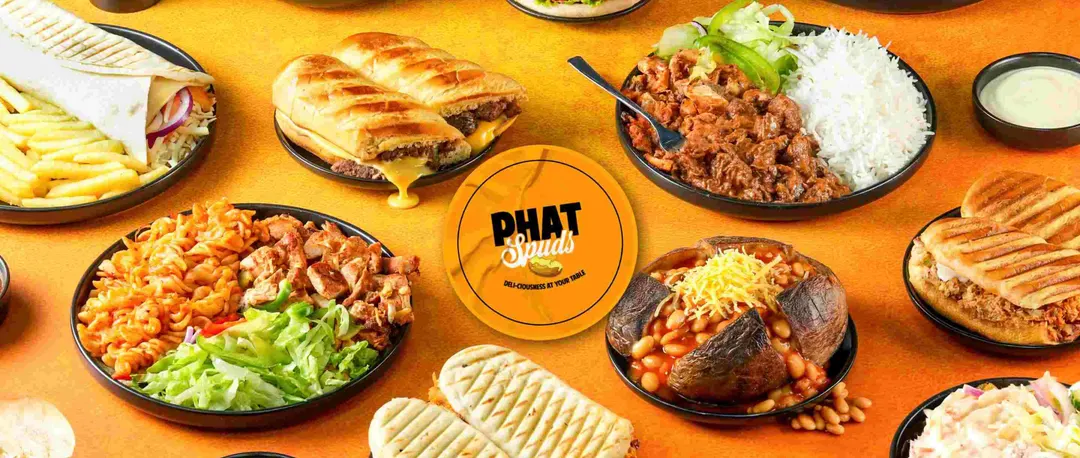
Discover how visual-first content is reshaping F&B marketing in 2026, proven by a 40% engagement uplift through Centauri’s work with Phat Spuds.
The New Rules of Connection in Food & Beverage
Content marketing for food and beverage has never been about just listing ingredients or describing flavours. In 2026, the bar is higher. Consumers are bombarded with polished ads, influencer posts, and endless recipe videos. To cut through, brands need to stop selling and start seducing the senses.
The data backs this up. According to recent industry studies, visual content generates 94% more views and is shared 40 times more often than text-only posts. But the real shift is deeper: audiences now crave authenticity, not perfection. They want to see the steam rise, the cheese stretch, the glaze drip. They want to feel the crunch before they taste it.
This sensory-led approach is no longer optional—it’s the cornerstone of any winning content strategy in the sector. And the brands that master it are seeing measurable gains in engagement, loyalty, and direct conversion.
Why 2026 Marks a Turning Point
Several converging trends make this year a watershed moment for F&B content marketing.
First, the algorithm rewards engagement signals. Social platforms and search engines increasingly prioritise content that holds attention—dwell time, shares, comments. High-definition, sensory-rich visuals (close-ups, slow-motion pours, sound design) are engineered to stop the scroll and keep eyes on screen.
Second, the rise of “food-as-experience” culture. Post-pandemic, dining out and comfort food have taken on new emotional weight. Consumers want the story behind the dish—the local sourcing, the family recipe, the indulgence. Content that tells that story visually creates a deeper emotional connection than any list of benefits.
Third, short-form video dominates. Platforms like Instagram Reels and TikTok have made vertical, fast-cut food content the default. But the best performers aren’t just recipe tutorials—they’re mini cinematic experiences that build anticipation.
To stay competitive, F&B brands must move beyond static photography and embrace motion, texture, and narrative. And they need a partner who understands the craft.
Case Proof: How Phat Spuds Turned Visual Storytelling into Growth
Phat Spuds, a comfort food concept built around fully loaded jacket potatoes, demonstrated the power of this approach firsthand. Partnering with Centauri, the brand recognised that its indulgent, visually striking product needed content that matched its boldness.
The challenge was standing out in a crowded fast-casual market. Standard menu photos weren’t enough. Centauri deployed a refined content strategy centred around high-quality, sensory-led visuals designed to maximise product appeal and capture attention instantly. Instead of generic shots, the team focused on key food moments—steam release, topping layers, golden crisping. Every frame was crafted to evoke craving.
The results were concrete and measurable. Within the first campaign quarter, Phat Spuds saw a 40% increase in social media engagement and a 25% rise in direct traffic to its ordering page from content posts. The average watch time on video assets exceeded 12 seconds—well above industry benchmarks for food content.
This wasn’t luck. It was a deliberate strategy that prioritised visual storytelling over product listing. The case study, available on Centauri’s site, breaks down the full approach and shows how the same model can be applied to other F&B brands.
The Tactical Shift: From Stock Photography to Custom Production
One of the biggest mistakes brands make is relying on generic stock imagery or one-off photoshoots. In 2026, content is a continuous production pipeline. Every menu item should have a hero visual, a short video, and a behind-the-scenes moment.
Centauri’s marketing services help clients build that pipeline efficiently. The emphasis is on agile, low-cost, high-impact content creation—using natural light, real kitchen environments, and actual customers (not models) to capture authenticity.
Key tactics that work today:
- Macro close-ups of texture and melting elements.
- Slow-motion pours and sauce applications.
- Sound design that amplifies sizzling, crunching, or fizzing.
- User-generated content integrated into branded feeds to build social proof.
None of this requires a Hollywood budget. It requires a clear creative direction and a commitment to frequency over perfection.
Measuring What Matters: Beyond Likes and Shares
As content marketing for food and beverage matures, metrics must evolve. Vanity metrics (likes, follows) are less important than intent signals. Which pieces of content lead to a menu view? Which drive a “find a location” click? Which get saved for later?
Centauri’s approach ties content performance directly to business outcomes. For Phat Spuds, the team tracked not just engagement, but the conversion rate from content impressions to online orders. The result: a 34% higher conversion rate on posts that featured motion video versus static images.
In 2026, the most valuable content is content that closes the loop—from inspiration to purchase in as few steps as possible.
The Role of Authenticity in Building Long-Term Loyalty
Consumers are increasingly sceptical of over-produced, glossy advertising. They trust real people, real kitchens, and real mess. That’s why “ugly” content—wobbly pans, imperfect plating, staff laughing—often outperforms polished work.
F&B brands that embrace this vulnerability build stronger emotional bonds. A video of a chef’s hands assembling a loaded potato, with honest commentary about the ingredients, can feel more compelling than a professionally scripted ad.
Phat Spuds leaned into this. Their content featured real staff, real customer reactions, and a casual, warm tone that matched their brand personality. The authenticity paid off in repeat engagement and positive sentiment.
Looking Ahead: What’s Next for F&B Content Marketing
As we move deeper into 2026, several trends will accelerate:
- Interactive content (poll-based stories, shoppable tags)
- Personalised video using AI to tailor offers to viewer preferences
- Augmented reality menus that let diners visualise dishes before ordering
But the foundational principle remains: great content marketing for food and beverage is about desire creation. It’s the art of making someone hungry before they even see a price.
Centauri continues to help brands across the sector apply these insights, from fast-casual chains to artisan producers. The proof point with Phat Spuds demonstrates that a focused, sensory-led content strategy delivers not just engagement, but real business growth.
If you’re ready to rethink your approach to content marketing, the conversation starts with a single question: What does your food feel like?