Marketing
Content Marketing for Food & Beverage 2026: Why Community-First Content Wins
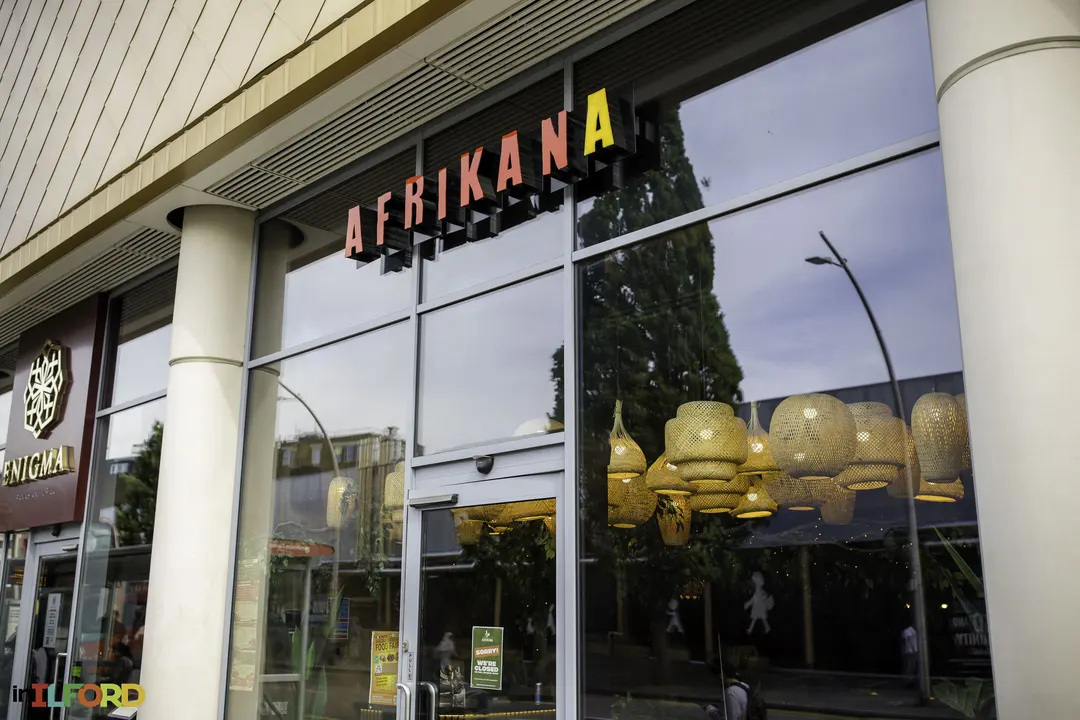
In a saturated dining market, the restaurants that thrive in 2026 will be those that replace traditional advertising with authentic, community-driven content strategies — and Birmingham’s Afrikana launch proves exactly how that works.
The Evolving Landscape of F&B Content Marketing
For years, restaurants and food brands relied on glossy menu shots, paid social ads, and the occasional influencer post to fill seats. But as we move deeper into 2026, that formula is losing its bite. Consumers are savvier, ad fatigue is real, and the algorithms that once rewarded polished content now prioritise raw, relatable, and community-rooted storytelling.
Content marketing for food and beverage in 2026 isn’t about shouting the loudest — it’s about creating a conversation. It’s about turning customers into advocates, and advocates into content creators themselves. The brands that win are those that understand that every meal is a moment, and every moment can be a story worth sharing.
This shift is particularly critical in high-traffic, high-noise locations — think entertainment districts, food halls, and city-centre strips. When you’re surrounded by dozens of established restaurants, cinemas, and attractions, “just open” isn’t enough. You need a content engine that builds anticipation long before the first plate is served.
Why Community-First Content Wins
The most effective content marketing for food and beverage in 2026 puts community at its core. This means moving beyond one-way broadcasting and into genuine co-creation. It means giving local audiences a reason to care — and a role to play — in your brand’s story.
This approach works because it taps into two psychological drivers: belonging and ownership. When people feel they’ve contributed to a brand’s journey — even in a small way — their loyalty deepens. They share more, return more often, and bring friends.
One powerful example is Afrikana, a vibrant restaurant concept that launched within one of Birmingham’s busiest entertainment hotspots. The team faced the classic challenger problem: how do you generate immense pre-launch anticipation when you’re competing with dozens of established neighbours?
Rather than relying on a standard PR push, Afrikana built a content strategy that blurred the line between marketing and community experience. The approach combined high-impact influencer partnerships with massive giveaways — but it wasn’t about dropping a few influencer posts and hoping for the best. It was about creating moments that felt personal, shareable, and undeniably local.
The Creator Economy Meets Local Engagement
In 2026, content marketing for food and beverage is inseparable from the creator economy. Diners are no longer just consumers — they’re potential collaborators, critics, and curators. But the smartest brands don’t just hire influencers; they integrate them as part of the launch narrative.
Afrikana partnered with a major TikTok creator specifically to reach a younger, digitally native demographic. The key was that this wasn’t a one-off paid post. The creator became part of the story — visiting the space, sampling dishes, and building a genuine connection with the audience long before the doors opened. That authenticity translated into real-world engagement: queues, bookings, and social buzz.
This tactic is especially effective for reaching Gen Z and young millennials, who trust peer creators over branded content. But it works only when the partnership feels organic. Forcing a creator to read a script or pose with a dish they didn’t choose kills the magic. The best campaigns give creators creative freedom and let their unique voice carry the brand message.
Building Anticipation with High-Value Incentives
Another pillar of successful food-and-beverage content marketing in 2026 is the strategic use of incentives — not as discounts, but as gateways to participation. Giveaways and competitions, when designed well, do more than drive footfall. They generate user-generated content, email captures, and social proof.
Afrikana offered high-value incentives that gave the local community a tangible reason to pay attention. The result was a wave of shared posts, tagged friends, and genuine excitement that rippled through neighbourhoods and social feeds alike. Crucially, the incentives were tied to the brand’s identity — not generic prizes, but experiences that felt uniquely Afrikana.
For any restaurant launching in a competitive area, this approach builds a database of warm leads and creates a groundswell of organic reach. When done right, the cost per acquisition is far lower than traditional paid media, and the returning customer value is much higher.
Measuring What Matters in Content Marketing
One of the biggest pitfalls in food and beverage content marketing is chasing vanity metrics — likes, shares, views — without connecting them to business outcomes. In 2026, the brands that succeed are those that measure what matters: bookings, repeat visits, and advocacy.
A community-first content strategy naturally feeds these metrics. When content is shared by local residents, it carries social proof that paid ads can’t replicate. When incentives drive real-world attendance, they build the habit of visiting. And when influencer partnerships are tracked with unique codes or landing pages, you can attribute revenue directly to content.
At Centauri, we help brands build content ecosystems that don’t just look good — they drive measurable growth. If you’re exploring content marketing for your own food and beverage brand, our marketing services (opens in a new tab) are designed to bridge the gap between creative storytelling and commercial results.
The Future Is Local, Authentic, and Collaborative
Looking ahead, the most successful content marketing for food and beverage in 2026 won’t come from corporate studios — it will come from the streets, kitchens, and dining rooms of the very communities these brands serve. The Afrikana story is a testament to what’s possible when you combine bold creativity with a deep understanding of local dynamics.
Whether you’re launching a new concept or refreshing an existing one, the principles remain the same: be generous with your content, be genuine in your partnerships, and build a story that people want to be part of. That’s the recipe for standing out in 2026 — and for turning first-time diners into lifelong fans.