Marketing
Content Marketing for Food & Beverage 2026: Why Authenticity Beats Algorithms
As food brands race to capture attention in an oversaturated digital space, the winning strategy for 2026 is rooted not in shiny production values but in genuine cultural storytelling and community-first content.
The Shift from Perfection to Emotion
For years, the food and beverage industry relied on a visual language that was almost too polished—gleaming sauces, perfectly styled plates, and the kind of lighting that belongs in a commercial. That approach is fading fast. By 2026, consumers, especially Gen Z and Millennials, are demanding more than just beautiful images. They want to feel something. They want a story they can trust, a culture they can taste, and a brand that feels like a real human endeavour, not a marketing machine.
This shift isn't subtle. The algorithms that power Instagram, TikTok, and even LinkedIn are rewarding content that drives genuine engagement—comments, shares, saves—over passive likes. And nothing drives engagement quite like authenticity. When a brand shares the messy, joyful, or culturally rich reality behind its food, it earns an audience that sticks around.
Why Community Storytelling Wins Over Traditional Advertising
The most powerful content marketing campaigns for food and beverage brands in 2026 don't look like ads at all. They look like conversations. They look like someone's grandmother teaching you to make her family's recipe. They look like a chef explaining the meaning behind a spice blend, or a video that shows the actual texture of a dish fresh from the kitchen.
This is community storytelling—content built around shared cultural experiences, language, and rituals. It acknowledges that food is never just food. It's identity. It's memory. It's hospitality.
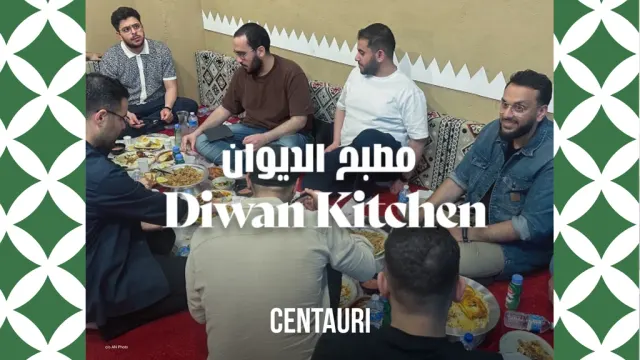
One recent project that perfectly illustrates this is Diwan Kitchen, a brand that needed to introduce authentic Saudi cuisine to a UK audience. The challenge was to move beyond generic food photography and communicate the warmth and depth of their hospitality. By leaning into community-driven storytelling—using Arabic cultural cues and language to establish immediate authenticity—they created a content ecosystem that felt more like a welcome than an advertisement. The results speak for themselves: over 20,000 profile views and more than 300,000 total views on their content. Those numbers aren't accidental; they come from content that resonates on a cultural level, not a superficial one.
Moving Beyond the Plate: What Audiences Actually Want
The food and beverage content that will dominate 2026 isn't just about the final dish. It's about the journey: the sourcing of ingredients, the hands that prepare them, the stories behind regional specialties, and the people who gather around the table. Audiences are hungry for context. They want to understand why a dish tastes the way it does, where the ingredients come from, and who the people behind the brand are.
This means content strategies need to expand beyond recipe videos and food photos. Consider:
- Behind-the-scenes narratives featuring chefs and family members.
- Educational posts about food history and cultural significance.
- User-generated content that encourages customers to share their own experiences.
- Live cooking sessions or Q&As that build real-time connection.
These formats perform better because they invite participation. They turn passive viewers into active community members. And for brands, that means lower acquisition costs and higher lifetime value per customer.
The Numbers That Matter in 2026
Metrics in food content marketing are becoming more sophisticated. It's no longer enough to track vanity metrics like impressions. The focus is shifting to engagement depth, share-of-voice in relevant conversations, and conversion from content to trial or purchase.
The 20k+ profile views and 300k+ total views achieved for Diwan Kitchen are impressive, but what's more telling is that those views came from an audience that was genuinely curious about a cuisine they might not have tried before. That's the power of content marketing done right: it doesn't just sell a product—it opens a door to an entire culture.
For brands looking to replicate that success, the key is to invest in content that educates, inspires, and builds trust. That means working with specialists who understand both the food industry and the nuances of digital storytelling. At Centauri, our marketing services (opens in a new tab) are designed to help food and beverage brands craft content that cuts through the noise by staying true to their roots.
Practical Steps for 2026
If you're a food or beverage brand planning your content marketing for next year, here are a few principles to guide your strategy:
- Embrace cultural specificity. Don't water down your identity to appeal to everyone. The most loyal audiences are built by those who stand for something real.
- Prioritise video with texture. Show the steam, the crunch, the sizzle. High-fidelity video that captures sensory experience performs better than static imagery.
- Use language that feels native. Whether that's actual foreign words or the casual tone of a home cook, speak the language of your community.
- Encourage participation. Ask questions, run polls, repost user content. Make your audience feel like co-creators, not consumers.
- Track meaningful metrics. Profile views, save rates, comment quality, and direct messages are often more valuable than reach.
The Bottom Line for Food & Beverage Marketers
Content marketing in 2026 isn't about shouting louder; it's about inviting people in. The brands that will thrive are those that treat their content as an extension of their hospitality—warm, generous, and deeply rooted in the stories that make their food special. By centring your strategy around community, culture, and genuine human connection, you'll build not just an audience, but a movement.
The proof is already out there. Brands like Diwan Kitchen show that when you lead with authenticity, the numbers follow.