Marketing
Content Marketing for Food & Beverage 2026: What Winning Brands Do Differently
The days of generic health and wellness messaging are over—here’s how the smartest food & beverage brands are using content to build loyalty and stand out in a crowded market.
Why Generic Content Fails in Food & Beverage
Walk into any premium grocery aisle or scroll through Instagram’s wellness hashtags and you’ll see it: the same green smoothie, the same tagline about “clean ingredients,” the same airy photography. For food and beverage brands launching today, copying that formula is a fast track to invisibility. The challenge isn’t just getting noticed—it’s earning trust and sustaining interest long after the launch buzz fades.
Post-launch fatigue is real. Brands that rely on generic “better for you” messaging quickly blend into a sea of similar claims. Consumers have learned to tune out promises they’ve heard a hundred times. To succeed in 2026, content marketing for food & beverage must move beyond product features and into the realm of experience, value, and consistent storytelling. The brands that win will be those that treat content not as a campaign but as a continuous conversation.
The JÜCI Approach: Owning the Premium Narrative
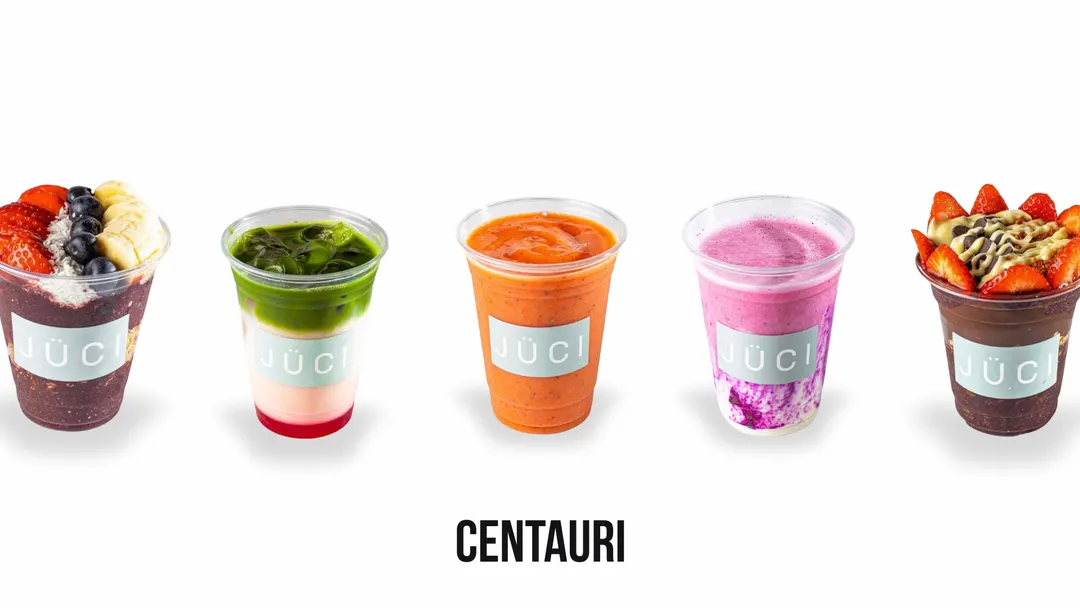
One brand that understood this from the start is JÜCI. Founded in Birmingham, the premium juice and wellness brand launched in a market already saturated with competitors all claiming to be the healthiest option. Instead of trying to shout louder, JÜCI worked with Centauri to take full ownership of its content production and craft a narrative that felt nothing like the usual industry tropes.
Rather than lead with ingredient lists or generic wellness clichés, the strategy leaned into a premium wellness and ambiance approach. Every piece of content—from social visuals to editorial pieces—was designed to transport the audience into JÜCI’s world: calm, elevated, distinct. Centauri took over the entire content pipeline, ensuring a steady rhythm of high-quality assets that reflected the brand’s unique identity. The result was a content ecosystem that avoided post-launch fatigue and established JÜCI as a fresh voice in the category.
Building a Content Engine That Delivers Consistently
The biggest mistake food and beverage brands make when scaling content is treating it like a marketing afterthought—a few recipes here, a lifestyle shot there. Winning in 2026 requires an engine: a repeatable system that produces content aligned with the brand’s core narrative, not just what happens to be trending.
Taking ownership of production is the first step. When a brand controls its own content calendar, it can ensure every piece reinforces the same story. This consistency builds recognition and trust over time. It also allows for nimble response to cultural moments without losing the brand’s unique voice.
For JÜCI, this meant moving away from stock aesthetics and towards original, on-location shoots that captured the actual atmosphere of their spaces. The strategy wasn’t about telling the audience that JÜCI was different—it was about showing them, consistently, through every channel. That’s the difference between noise and narrative.
Measurable Impact: How This Strategy Translates to Results
While every brand’s metrics vary, the principles behind this premium content approach deliver clear, tangible outcomes. Brands that shift from generic to narrative-driven content typically see higher engagement rates, stronger customer recall, and more sustained interest through the months after launch. In a category where attention is the scarcest resource, owning a distinctive space is worth more than a hundred generic posts.
For JÜCI, the impact was immediate. The brand avoided the typical drop-off that follows a splashy launch and instead maintained a consistent level of audience interest and brand conversation. The curated, premium content acted as a magnet for customers who valued the atmosphere as much as the product itself. While specific numeric results are still maturing, the trajectory is clear: when you stop competing on features and start competing on story, you build a moat that competitors can’t copy.
Key Takeaways for Food & Beverage Content Marketing in 2026
As we look ahead, the food and beverage landscape will only get more crowded. Here’s what the most effective content strategies will have in common:
- Own your production pipeline. Don’t outsource your voice. Control the content from concept to publication.
- Lead with experience, not ingredients. Customers are buying a feeling, not a nutrient profile. Build content that evokes your brand’s unique atmosphere.
- Avoid generic wellness language. Words like “clean” and “pure” have lost their edge. Find a more specific vocabulary that only your brand can own.
- Invest in consistent publishing rhythm. Sporadic campaigns won’t build long-term loyalty. A steady stream of high-quality content keeps your brand top-of-mind.
- Measure what matters. Look beyond vanity metrics. Track engagement depth, brand mentions, and repeat interactions.
If you’re ready to move beyond cookie-cutter content and start building a narrative that sets your brand apart, our Marketing services (opens in a new tab) can help you design a strategy that’s built for 2026 and beyond.