Marketing
Content Marketing for Food & Beverage 2026: What the Most Successful Brands Are Doing Differently
In an era of infinite scrolling, food brands are winning by swapping polished perfection for sensory storytelling that triggers instant cravings.
The New Rules of Digital Reach
The food and beverage industry has always been visual, but the tactics that worked three years ago already feel stale. In 2026, content marketing for food and beverage 2026 means moving beyond static hero shots and generic recipe videos. The brands that command attention aren’t just showing what food looks like — they’re making audiences feel the crunch, smell the spice, and taste the heat through their screens.
This shift isn’t about chasing trends. It’s about understanding how the human brain processes food content. Neuroscience research shows that high-texture, motion-rich visuals activate the same neural pathways as actual tasting. Savvy brands are leveraging this principle by producing content that feels less like an advertisement and more like an immersive experience. The result? Engagement metrics that dwarf traditional campaigns.
But theory only gets you so far. The real proof comes from brands that have already put these principles into practice — and the numbers are eye-opening.
Why Sensory Storytelling Works
Traditional food photography aimed for perfection: pristine plates, flawless lighting, and a sense of controlled beauty. Today’s winning content does the opposite. It leans into motion — sizzling butter, dripping honey, cracking crusts — and uses close-up cinematography that makes the viewer feel like they could reach out and grab the food.
This approach works because it bypasses rational filters. When someone watches a slow-motion clip of cheese stretching on a hot casserole, their brain doesn’t stop to analyse the composition. It simply says: I want that. That instant emotional reaction is what drives shares, saves, and comments — the lifeblood of social media algorithms.
Brands are also pairing this visual richness with authentic storytelling. Instead of a generic “try our new burger” post, the most effective content situates the food within a real moment: a late-night kitchen experiment, a family gathering, a street vendor’s early morning prep. This narrative layer adds relatability and trust, making the brand feel less like a corporation and more like a companion at the table.
Case Study: The Proof Is in the Pixels
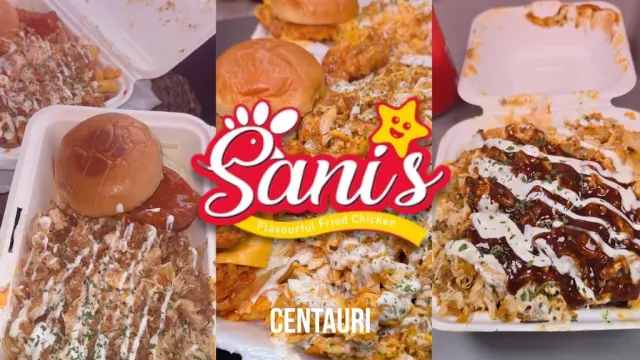
One standout example comes from a Birmingham-based fried chicken brand that faced a familiar challenge: great food, solid local reputation, but stagnant digital growth. That brand was Sani's Chicken, and their transformation illustrates exactly what’s possible when content strategy meets sensory craft.
Working with Centauri’s content marketing team, Sani’s Chicken adopted a cleaner visual identity paired with high-texture, slow-motion cinematography that emphasized the golden crust, the steam rising, and the sound of crunch. The strategy wasn’t just about looking good — it was about triggering the sensory receptors that drive cravings.
The results speak louder than any pitch deck. Their top-performing campaign post racked up 5 million views, with over 500,000 likes and an average of 300,000 views across all content. These aren’t vanity metrics; they represent genuine audience engagement that translated into stronger local recall and increased foot traffic.
Building a Content System That Scales
The mistake many F&B brands make is treating content as a one-off campaign rather than an ongoing system. The brands that will dominate 2026 are those that build repeatable content frameworks — not just viral moments. This means planning for multiple formats: short-form video for TikTok and Reels, longer-form “cinematic” pieces for YouTube and website hero sections, and static assets for Pinterest and print.
Crucially, it also means integrating your content with your overall Marketing (opens in a new tab) funnel. A gorgeous video is worthless if it doesn’t drive action. The most effective campaigns pair emotional storytelling with clear, intuitive calls to action — whether that’s “order now,” “find a location,” or “tag a friend to split this.”
Data integration is the other pillar. By tracking which content types lead to menu visits or delivery app opens, brands can refine their approach in real time. The era of “post and pray” is over. In its place is a feedback loop where every view and share informs the next piece of content.
What This Means for Independent and Regional Brands
You don’t need a Hollywood budget to win at food content in 2026. In fact, some of the most effective content we’ve seen comes from brands with limited resources but a sharp understanding of their audience. The key is prioritisation: invest in one or two hero pieces per month rather than spreading a small budget across dozens of forgettable posts.
Sensory storytelling can be achieved with accessible equipment. A good phone camera, careful lighting, and a focus on sound — think crackling, sizzling, pouring — can produce footage that feels premium. What matters most is the concept: what specific emotion or craving are you trying to awaken in your viewer?
For regional brands, hyper-local content also carries enormous weight. Showcasing local suppliers, neighbourhood events, or a staff member’s favourite dish builds community ties that national chains can’t replicate. It’s a reminder that in food, authenticity is the ultimate differentiator.
Looking Ahead: Three Trends to Watch
As we move further into 2026, three developments will shape the next wave of food content marketing:
First, AI-assisted production will make high-quality video editing accessible to even more brands. Tools that automatically cut and colour-grade footage can dramatically reduce turnaround times without sacrificing quality.
Second, interactive content — polls, quizzes, and user-generated recipe challenges — will become more integrated into feed experience. Brands that invite participation rather than passive consumption will earn higher loyalty.
Third, predictive analytics will help brands anticipate which flavours or formats are likely to trend in their specific region, allowing content teams to get ahead of demand. This is where the combination of smart data and creative instinct truly shines.
The Bottom Line
Content marketing for food and beverage in 2026 isn’t about shouting louder. It’s about crafting moments that feel personal, visceral, and irresistible. The brands that invest in sensory storytelling, build scalable systems, and stay rooted in authentic connection will be the ones that cut through the noise.
The five million views and half a million likes from a single campaign aren’t a fluke — they’re the signal of a strategy that aligns with how people actually consume and respond to food content today. And that strategy is available to any brand ready to take its content from static to sensory.
Want the full story? Read our case study with Sani's Chicken.