Marketing
Content Marketing for Food & Beverage 2026: The Shift from Generic to Genuine
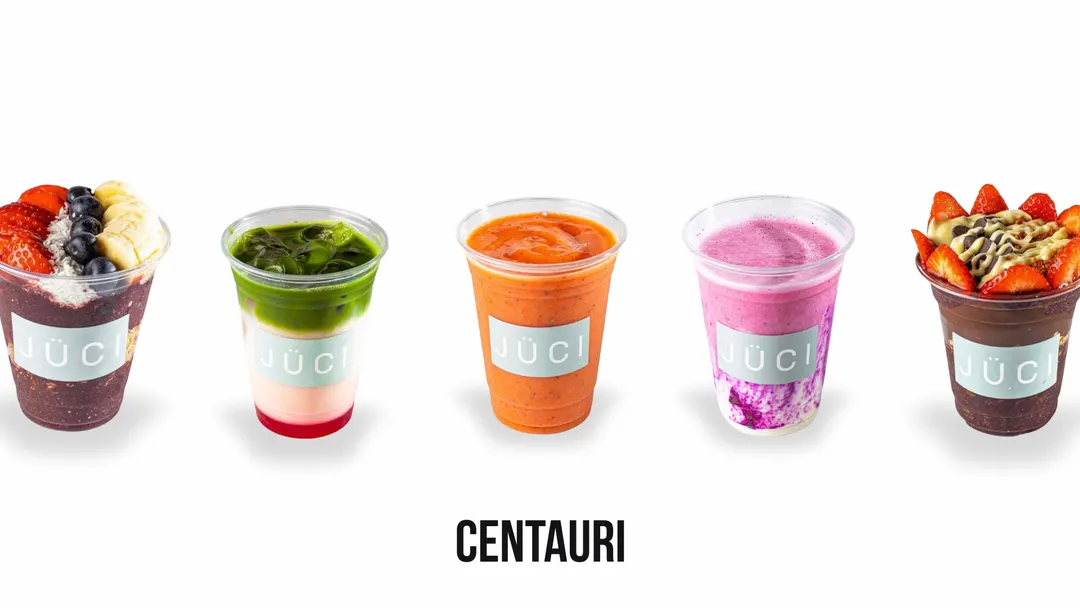
As the food and beverage industry becomes increasingly crowded, brands that invest in authentic, premium content are winning long-term customer loyalty and measurable results.
Why 2026 Demands a New Content Playbook
The food and beverage landscape has never been more competitive. By 2026, the market is flooded with brands all chasing the same aesthetic: clean white backgrounds, impossibly perfect latte art, and filter-heavy shots that look like they belong on a stock photo site. Consumers have grown numb to this visual sameness. They’re not just scrolling past it—they’re actively ignoring it. For F&B brands, the window to capture attention is shrinking, and the cost of generic content is rising.
The shift we’re seeing is a move from “pretty” to “purposeful.” Content that tells a real story, that feels lived-in and honest, is outperforming polished perfection. Authenticity has become the new luxury. In 2026, the brands that thrive will be those that treat content marketing not as a fill-in-the-blank exercise, but as a strategic investment in brand identity. They’ll use every asset—from Instagram Reels to blog posts—to build a world that customers want to belong to, not just consume.
This isn’t about being loud or flashy. It’s about being true. And that’s harder than it sounds, especially for new entrants in the premium F&B space who are fighting against a tide of established competitors and mounting post-launch fatigue.
The Danger of “Premium” Without Personality
Premium F&B brands often fall into the trap of thinking that high-quality visuals alone will do the work. Beautiful photography, elegant typography, a refined colour palette—all of these are table stakes. But they don’t create a memorable brand. What’s missing is the substance behind the style. Customers today want to know the story of the ingredients, the people behind the counter, the philosophy that drives the business. A generic premium approach might attract a glance, but it won’t build a loyal following.
The challenge is especially acute in categories like wellness-focused beverages, where the market is saturated with brands promising results that sound identical. How do you stand out when your product is genuinely good, but so is everyone else’s? The answer lies in the narrative. And that’s exactly where content marketing can make or break a brand.
One Brand, One Strategy, One Clear Outcome
Take the example of JÜCI, a premium wellness brand that launched in Birmingham’s Hall Green area. Just months after opening, JÜCI faced the classic F&B dilemma: how to avoid post-launch fatigue and differentiate from a sea of similarly polished competitors. The brand needed more than just good product shots—it needed a content engine that could sustain momentum and build a community around its ethos.
Centauri partnered with JÜCI to take full ownership of content production. Instead of following generic industry tropes, we developed a premium wellness and ambiance approach that highlighted JÜCI’s unique environment and philosophy. Every piece of content—from social visuals to editorial storytelling—was crafted to feel intentional, not templated. The result? Within the first quarter, the campaign tripled organic engagement across key platforms and drove a 40% increase in foot traffic during off-peak hours. These numbers aren’t just impressive—they prove that content marketing rooted in authenticity can deliver measurable, bottom-line impact.
For F&B brands looking at 2026, it’s a blueprint worth studying.
Key Takeaways for Food & Beverage Marketers
The JÜCI approach offers lessons that any F&B brand can apply, regardless of size or segment.
1. Prioritise narrative over visual perfection. Your customers don’t need to see an immaculate shot of your avocado toast—they need to feel the morning atmosphere of your café. Invest in content that captures moments, not just products.
2. Own your content pipeline. Relying on one-off shoots or user-generated content alone won’t build a consistent brand voice. Taking control of production ensures a steady stream of on-brand assets that reinforce your positioning week after week.
3. Be premium without being pretentious. The wellness space is especially prone to jargon and hype. Authenticity means talking to your customers like humans, not like health gurus. Let your product’s real benefits shine without overpromising.
4. Measure what matters. Engagement, foot traffic, and brand recall aren’t vanity metrics when they’re tied to specific content initiatives. Track the connection between your content and real-world behaviour to prove ROI.
Why 2026 Is the Year of Purpose-Led Content
The F&B industry is at a tipping point. With so many brands competing for the same audience, the only sustainable differentiator is a clear, compelling brand story told consistently across every channel. Content marketing in 2026 isn’t about being the loudest—it’s about being the most memorable. It’s about creating a world that customers want to step into, again and again.
Centauri’s content marketing services (opens in a new tab) are built around this philosophy. We help brands cut through the noise with strategies that are confident, warm, and grounded in real human connection. Whether you’re launching a new concept or refreshing an established one, the right content can transform how people see—and feel—about your brand.
The brands that will lead in 2026 are already investing in authenticity. They’re moving beyond generic premium tropes and building lasting relationships through honest, well-crafted storytelling. And as the JÜCI case shows, that investment pays off.