Marketing
Content Marketing for Food & Beverage 2026: The Recipe for Cultivating Hype That Actually Converts
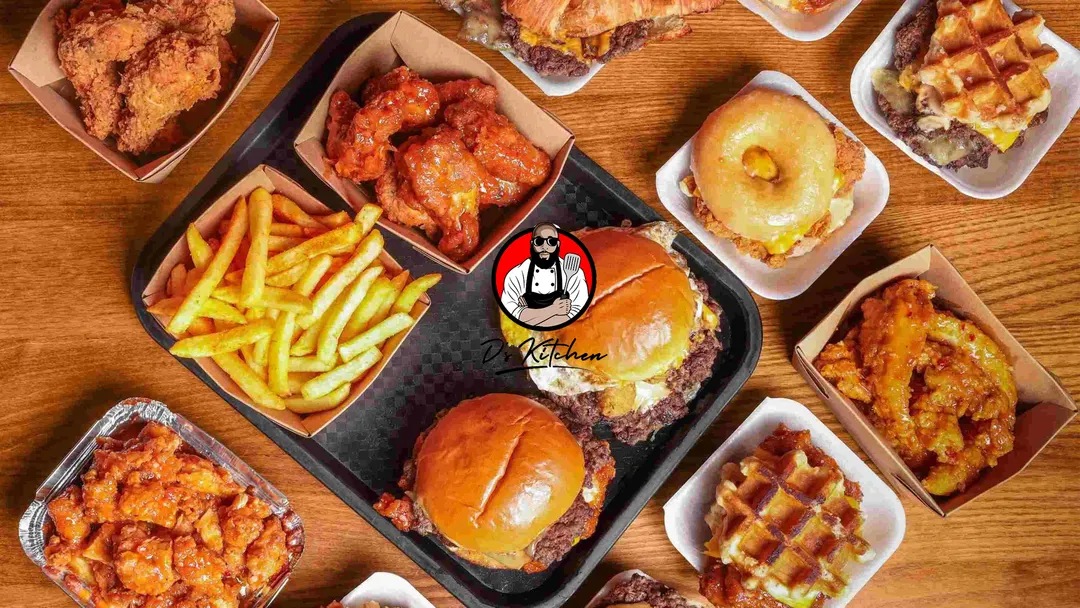
Forget standard launches—the new era of food & beverage marketing is about building visceral anticipation before a single dish is served.
The Shift from Advertising to Anticipation
Walk into any major food market in 2026 and you’ll notice something different. The brands that aren’t just surviving but thriving aren’t the ones with the biggest ad budgets—they’re the ones that turned their opening into an event that people felt part of before the doors ever opened.
Content marketing for food and beverage has moved past polished product shots and influencer meal deals. The winners now are those who treat their audience like insiders, not spectators. They share the messy, real story of creation: the struggle to find the perfect supplier, the late-night recipe tests, the family traditions that shaped a menu. This kind of raw, behind-the-scenes content doesn't just attract attention—it builds a community that shows up on day one, wallets ready.
Why Local Storytelling Wins in 2026
The most powerful content marketing strategies for food and beverage businesses today are hyper-local. Generic “opening soon” posts are noise. But a series of videos that highlights a specific neighbourhood, its history, and the founder’s personal connection to that place? That’s signal.
Modern audiences, especially on platforms like TikTok and Instagram, crave authenticity over production value. They want to see the actual hands chopping the actual onions in the actual kitchen that will serve them. They want to feel like they discovered a hidden gem before everyone else. When you combine this with a tight geographic focus—say, teasing a location on a culturally rich street like Birmingham's famous Ladypool Road—you create a magnetic pull that no banner ad can replicate.
This approach also solves one of the biggest challenges in F&B content marketing: cut-through. In a city with hundreds of new openings each year, you can’t afford to be just another restaurant. You need to be a story worth following. And the best stories are the ones told by the people who lived them.
One standout example is D’s Kitchen, a brand that needed to make a serious impact when expanding to a competitive corridor. Instead of a standard countdown, Centauri developed a community-driven social strategy that gave local followers a genuine stake in the journey. By sharing unfiltered glimpses of the founder’s process and the build-up to launch, the campaign generated 3 million video views, 2.2 million post views, and over 123,000 likes—all before the first customer walked through the door. The fact that more than 137,000 accounts were reached in that initial phase shows exactly how powerful neighbourhood-first storytelling can be.
The Numbers That Prove Community-Led Content Works
It's easy to dismiss social media metrics as vanity numbers. But for food and beverage openings, those early engagement figures directly translate to foot traffic. When 137,000 people already feel emotionally invested in a brand before it opens, they don’t just visit—they evangelise. They bring friends. They post their own content. That initial hype becomes a self-sustaining engine.
What made D’s Kitchen’s results particularly impressive wasn’t just the scale—it was the intimacy of the engagement. A 123,000+ like count on pre-launch content indicates that the audience wasn’t passively scrolling past. They were stopping, reacting, and commenting. That’s the difference between awareness and anticipation.
For any F&B marketer planning a 2026 launch, these figures should serve as a benchmark: can your content strategy generate genuine pre-opening conversation, or is it just another broadcast? The brands that win will be the ones that turn their launch into a shared experience, not a one-way announcement.
Practical Steps for Your Next F&B Content Campaign
If you’re planning a food or beverage launch in the next twelve months, here are three principles to bake into your strategy from day one.
1. Start three months early, not three weeks. The audience you build in the months before opening is the foundation of your first year. Don’t rush the preamble. Share the renovation chaos, the menu testing, the staff introductions. Make people feel like they’re watching a new chapter being written.
2. Go all-in on video, but ditch the polish. Handheld, poorly lit clips of a fry-up sizzling will outperform a cinematic ad every time—as long as they’re genuine. Authenticity is the new production value. Let your founder talk to the camera like they’re talking to a friend.
3. Geotag everything and lean into local culture. Use location-specific hashtags, tag local food blogs, and reference landmarks or traditions unique to your neighbourhood. This isn’t just targeting; it’s belonging. When your content feels like it was made for that street, locals will adopt you.
At Centauri, we’ve seen how a carefully crafted content marketing strategy can turn a quiet opening into a cultural moment. Whether it’s for a single restaurant or a chain expanding into new territories, the principles remain the same: tell the story before you serve the food, and invite your future customers into the process. For a deeper look at how we helped D’s Kitchen achieve that 3M-views milestone, you can read the full case study. And if you’re ready to build similar pre-launch momentum for your own brand, our Marketing (opens in a new tab) services are designed to help you connect with your community on a deeper level.
The Bottom Line for 2026
Content marketing for food and beverage isn’t about broadcasting an opening date anymore. It’s about creating a story so compelling that your future customers can’t wait to be part of it. The businesses that embrace this shift—starting with genuine, local, community-first content—are the ones that will fill seats and earn loyalty from day one. The recipe is simple: lead with authenticity, lean into the neighbourhood, and let your audience feel like they’ve been there all along.
Want the full story? Read our case study with D's Kitchen.