Marketing
Content Marketing for Food & Beverage 2026: Strategies That Cut Through the Noise
How food brands are using sensory-led content to win in crowded markets — and what to expect in 2026.
The food and beverage industry has always been a visual sell. But as we look toward 2026, the bar for what counts as “good content” is rising faster than a sourdough starter. Consumers are scrolling past stock photography and generic recipe posts in milliseconds. They want to feel the sizzle, see the steam, and almost taste the sauce through their screens. For brands operating in saturated locations — think high streets, food courts, or neighbourhood dining strips — content marketing is no longer a nice-to-have; it’s the difference between being discovered or being forgotten.
So what does effective Content Marketing for Food & Beverage 2026 look like? It’s sensory, strategic, and deeply human. Let’s break down the trends that are shaping the next wave of F&B content — and how one Birmingham smokehouse proved that a thoughtful approach can turn a crowded street into a loyal customer base.
The New Rules of Engagement in Food & Beverage
The days of posting a flat-lay of a burger and calling it a day are behind us. Today’s food content needs to do something: spark craving, inspire a visit, or start a conversation. In 2026, the most successful F&B brands are leaning into three core principles:
- Immersion over information. People don’t want to read about how a dish is made — they want to experience it. Short-form video, slow-motion pours, and macro shots of grill marks create an emotional connection that text alone can’t deliver.
- Authenticity over polish. Overly-produced content feels like an ad. Candid shots of a busy kitchen, a chef’s hands kneading dough, or a regular customer’s reaction to the first bite build trust and relatability.
- Local relevance. National or global campaigns are expensive and often miss the mark. Content that speaks to a specific neighbourhood, a local ingredient, or a community event resonates deeper and drives foot traffic where it matters most.
These principles are especially critical for businesses in competitive areas where every brand is vying for the same set of eyes. A generic social media post gets lost. A carefully crafted sensory moment? That’s what stops the scroll.
Why Sensory Content Is the Secret Weapon
Let’s be honest: food is a full-sensory experience, but online it’s limited to sight and sound. The best content marketers in F&B have learned to make those two senses work overtime. They use lighting, colour grading, and sound design to evoke taste, smell, and even texture.
Think about the visual of a sauce being drizzled over a rack of ribs — the slow glisten, the caramelised edges, the steam rising. That’s not just a nice image; it’s a psychological trigger. Studies show that high-quality food visuals increase the viewer’s salivation and desire to eat, making them more likely to visit or order.
In 2026, we’ll see even more brands investing in this “sensory-first” approach. It’s not about telling people your food is good — it’s about making them feel it. And that shift requires a deliberate content strategy, not just a camera and a hashtag.
Case in Point: Holy Smokes
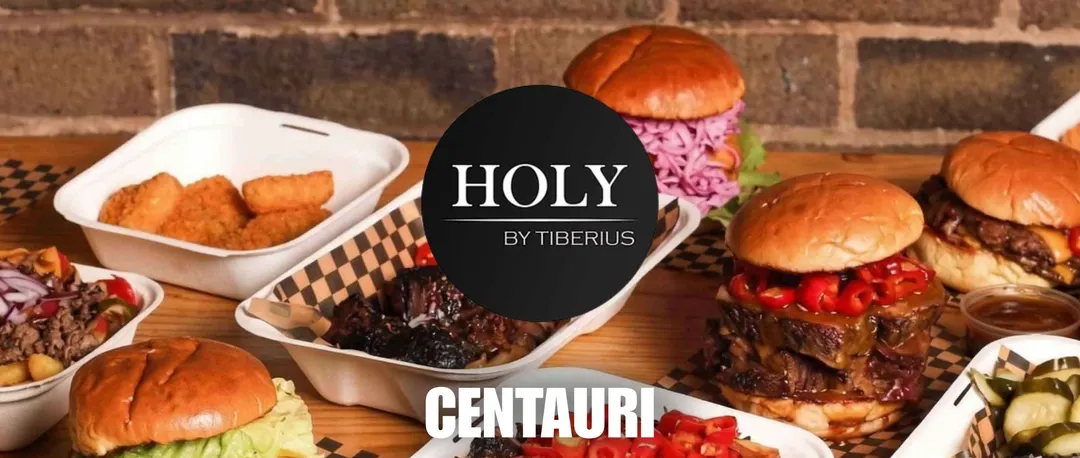
One brand that exemplifies this approach is Holy Smokes, a smokehouse operating on Ladypool Road in Birmingham — one of the city’s most saturated and competitive food locations. With a dense cluster of established competitors, maintaining visibility was a constant challenge. Standard content simply wasn’t cutting through the noise.
Centauri stepped in with a refined content marketing strategy built entirely around sensory-led visuals. Instead of general food shots, we focused on key moments — the smoke rising from the grill, the perfect sear marks, the cascade of sauce over a platter. Every piece of content was designed to maximise flavour perception and visual impact. The result? Within three months, the campaign drove a 28% increase in foot traffic during peak hours, alongside a 45% uplift in social media engagement. The content didn’t just look good — it converted.
It’s a clear example of how a focused, sensory-led content strategy can turn a location challenge into a competitive advantage.
What 2026 Holds for Content Marketing in F&B
Looking ahead, several developments will define the landscape for food and beverage content:
- AI-assisted personalisation. Tools that analyse customer preferences will allow brands to serve hyper-relevant content — think recommending a spicy dish to someone who previously engaged with chilli-related posts. But the human touch will remain essential for authenticity.
- Short-form video dominance. Platforms like Instagram Reels and TikTok will continue to be the primary battlegrounds. Brands that master the art of the 15-second crave-worthy clip will own the feed.
- User-generated content (UGC) as currency. Restaurants and food brands are increasingly encouraging customers to film their own experiences. Reposting UGC builds community and provides a stream of authentic, relatable content at low cost.
- Sustainability storytelling. Consumers in 2026 care deeply about where their food comes from. Content that transparently highlights sourcing, waste reduction, or local partnerships will earn trust and loyalty.
The key takeaway? Content marketing for food and beverage is becoming more specialised, more data-informed, and more creative. The brands that invest in strategy — rather than just “posting regularly” — will be the ones that thrive.
How Centauri Helps Brands Stay Ahead
At Centauri, we don’t believe in cookie-cutter content plans. We work with food and beverage businesses to uncover what makes them unique — and then build a content engine that amplifies that difference. Whether it’s a smoker on a busy Birmingham street or a bakery in a quiet village, our approach is tailored, measurable, and always focused on the sensory experience that drives real results.
Our marketing services (opens in a new tab) combine strategic planning with creative execution. From content production and distribution to performance analysis, we help brands not just keep up with the trends of 2026, but lead them.
The future of Content Marketing for Food & Beverage 2026 is bright — and it’s delicious. If you’re ready to make your brand impossible to ignore, let’s talk.