Marketing
Content Marketing for Food & Beverage 2026: How to Turn Hyper-Local Audiences into Brand Loyalists
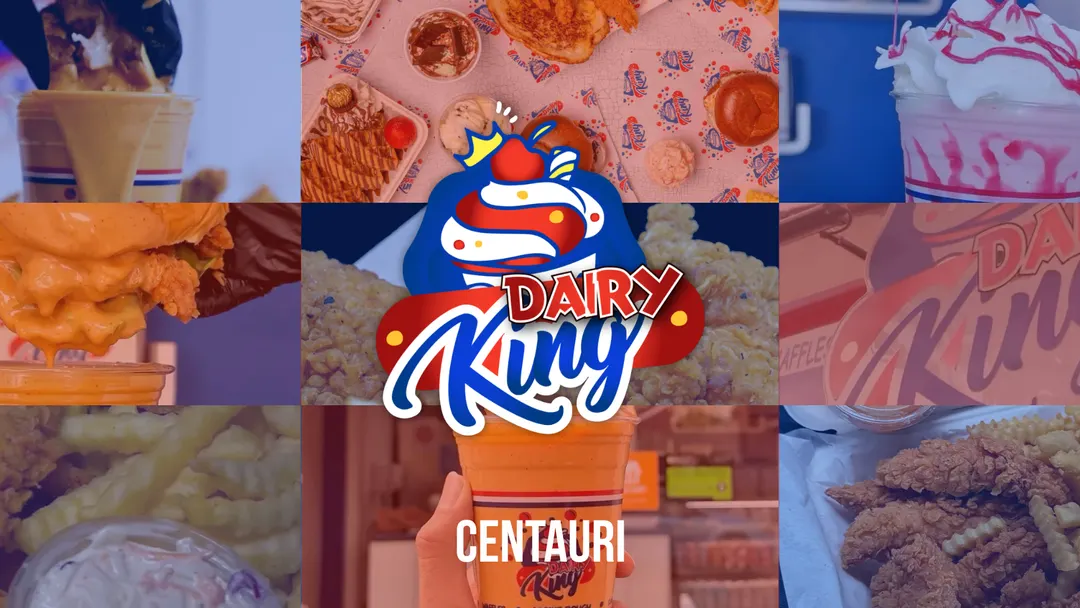
The rules of engagement have changed. In 2026, content marketing for food and beverage brands demands authenticity, data-driven storytelling, and a willingness to pivot on a dime. Here's how one Birmingham dessert shop did it and hit half a million views.
The New Playbook for Food & Beverage Content
If you’re still treating content marketing as a “post and pray” game, it’s time to rethink your strategy. The food and beverage landscape of 2026 is crowded, noisy, and driven by audiences who can smell inauthenticity from a mile away. Generic recipes, stock photography, and corporate tone-of-voice? They won’t cut it anymore.
What works now is hyper-local storytelling, video-led engagement, and a brand voice that feels like a friend recommending a dish—not a press release. Content marketing for food and beverage 2026 is about creating experiences before the first bite. It’s about showing the sizzle, the prep, the people behind the counter. And it’s about speaking directly to the community that matters most: the one within delivery radius.
This shift isn’t just theory. It’s backed by real results from brands that dared to rethink how they connect. Let’s break down what’s changed and how you can make it work for your menu.
From Dessert Shop to Destination: A Real-World Proof Point
Consider the case of one Birmingham-based brand that wanted to move from being a neighbourhood dessert spot to a go-to food destination. They had a major menu pivot in the works, but they lacked the brand identity and content engine to signal that transformation. The challenge? Establishing a consistent, professional voice while keeping the warmth that made them local favourites in the first place.
This is where Centauri’s marketing (opens in a new tab) expertise came in. We designed a branding and market intelligence strategy anchored by a high-fidelity visual overhaul—think richer video quality, tighter storytelling, and visuals that practically jumped off the screen. By weaving product details directly into content that matched exactly what Birmingham foodies craved, the brand started showing up in the right feeds at the right moments.
The result wasn’t just engagement—it was a breakout. That brand racked up over 500,000 views across content assets, transforming digital reach into real-world footfall. The takeaway is simple: when content marketing for food and beverage is done right, it doesn’t just inform—it converts.
The Numbers That Matter
Half a million views is a headline number, but what does it really mean for a food and beverage brand? It means that people stopped scrolling. They watched, they remembered, and—most importantly—they acted. In the food world, digital engagement directly correlates to in-store visits. A well-timed video of a sizzling grill or a dessert being drizzled can drive more traffic than a billboard ever could.
But the metric that matters most isn’t just views. It’s resonance. Did the content spark conversations? Did it get shared in local Facebook groups? Did it lead to repeat customers? For the Birmingham brand we mentioned, the answer was yes on all counts. That’s the power of content that feels native to the platform and the neighbourhood.
In 2026, the brands winning at content marketing are the ones that obsess over these micro-metrics. They know that a thousand views from the right zip code are worth more than a million from random clicks. They measure dwell time, completion rates, and direct messages asking “where is this?” because those are the true signals of intent.
What 2026 Demands from Content
So what does a winning content marketing strategy look like for food and beverage brands this year? Here are the non-negotiables:
- Video-first, always. Static posts still have their place, but the lion’s share of engagement comes from short-form video. Show the process, the plating, the reaction. Make viewers feel like they’re in the kitchen with you.
- Local SEO baked into every post. Tag your location, use neighbourhood hashtags, and mention landmarks. In 2026, discoverability is local. Content marketing for food and beverage 2026 is as much about the “where” as the “what.”
- Consistent brand voice with human warmth. Your brand should sound like a person—not a robot. Use the language your customers use. Be funny, be real, be humble. Authenticity builds trust faster than any fancy filter.
- Data-backed creative decisions. Don’t guess what your audience wants. Use social listening and analytics to understand what flavours, formats, and times of day resonate. Then double down on what works.
- Community amplification. Encourage user-generated content. Share customer videos, reviews, and food shots. This not only fills your content calendar but also turns customers into advocates.
The Birmingham dessert shop example shows that even a neighbourhood brand can punch above its weight with the right content strategy. They didn’t need a massive budget—they needed clarity, consistency, and a willingness to commit to quality.
The Takeaway for Food & Beverage Leaders
Content marketing no longer lives in a silo. It’s the front door of your brand. For food and beverage businesses, it’s often the first impression a potential customer gets. And in 2026, that impression better be delicious.
Whether you’re planning a menu overhaul, launching a new location, or simply trying to stay top-of-mind, the principles are the same: know your audience, tell stories that matter, invest in visual quality, and measure what counts. The brands that do this will be the ones that customers don’t just visit—they follow, share, and crave.
If you’re ready to rethink how your brand shows up online, start with the story that only you can tell. And if you need a partner to help you craft it, we’re here to help.