Marketing
Sensory-First, Platform-Native: How BOO Star City Reached 286,000 Views
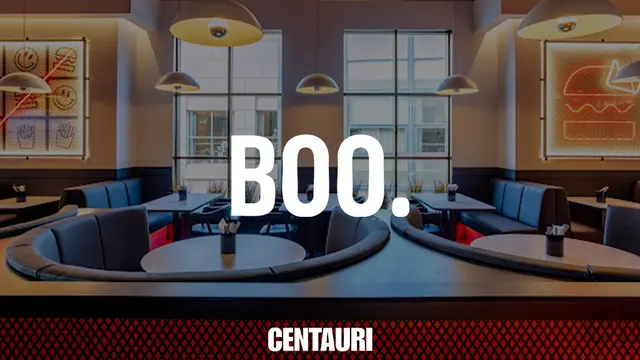
In an era of endless options and shrinking attention spans, content marketing for food & beverage brands in 2026 demands a sensory-first, platform-native approach—and the proof lives in the numbers.
Why 2026 Is the Year Content Marketing Rewrites the Rules
Walk into any city centre in the UK today and you’ll see the same story: more restaurants, bars, and food concepts than ever before, each vying for a slice of the same customer base. For the food & beverage sector, 2026 isn’t just another year—it’s the moment when generic marketing stops working entirely. The brands that thrive will be the ones that stop shouting “we’re here” and start making audiences feel something.
Content marketing for food & beverage in 2026 is about precision, emotion, and measurable impact. It’s no longer enough to post a glossy burger shot and hope for the best. The algorithms have matured, consumers have grown immune to stock photography, and the cost of attention has soared. What works now is a blend of strategic positioning, sensory storytelling, and data-backed distribution—all wrapped in a voice that feels human, not corporate.
At Centauri (opens in a new tab), we’ve seen this shift firsthand. Our approach moves beyond the tired playbook of “post three times a week” and instead builds content ecosystems that drive real-world footfall and digital engagement. The results speak for themselves—sometimes in six-figure view counts.
The Sensory Shift: Why Food Content Must Do More Than Look Good
If you’ve scrolled Instagram or TikTok recently, you’ve noticed the change. The old flat-lay aesthetic is fading. In its place: close-ups of oozing cheese, the crackle of a freshly fried batter, steam curling off a bowl of ramen. This is sensory-first content—and in 2026, it’s the baseline for any serious food & beverage brand.
Why? Because online audiences have developed an almost subconscious appetite for texture, movement, and sound. Static images no longer trigger the same dopamine hit. Video, especially short-form, has become the primary medium, but even within video, the winners are those that prioritise feeling over information. A brand that shows you how a dish breaks, melts, or sizzles creates a craving that no menu description can match.
This is where content marketing for food & beverage 2026 diverges sharply from earlier trends. The goal isn’t to describe the product—it’s to transport the viewer into the experience. That shift has profound implications for how brands plan their creative, choose their platforms, and measure success.
Proof Point: How Boo Star City Turned Zero Awareness Into 286K Views
Let’s ground this in a real example. When Boo Burger’s Star City franchise opened its doors in Birmingham, it faced a brutal reality: a saturated market, zero local awareness, and a brand concept that needed to land fast. The challenge wasn’t product quality—it was cut-through.
Working with Centauri, the team executed a content marketing strategy built on exactly the principles we’re discussing. First, the visual identity was refined—cleaner, sharper, built for digital performance. Then came the content: sensory-led, texture-driven video assets that focused on the experience of eating a Boo Burger rather than just its appearance. The campaign leaned heavily on short-form video, sound design, and authentic local moments.
The result? 286,000 views delivered in a concentrated timeframe. That number isn’t vanity—it’s proof that a thoughtful, sensory-first approach can generate awareness at scale, even in a market as crowded as Birmingham’s food scene. It’s a case study in what happens when content marketing stops being about “posting” and starts being about connecting.
Platform-Native Thinking: One Size Fails All
A common mistake food & beverage brands make in 2026 is treating content as a one-size-fits-all asset. The same 30-second video gets slapped across Instagram, TikTok, Facebook, and YouTube, often with the same caption. That approach wastes budget and dilutes impact.
Platform-native content marketing means tailoring format, length, and tone to each channel. On TikTok, the hook is everything—jump cuts, captions, and loopable moments. On Instagram, Reels reward aesthetic polish and sound-trend alignment. On YouTube, longer-form storytelling (behind the scenes, chef interviews, process videos) builds community and trust. On LinkedIn—yes, even for F&B—thought-leadership pieces about trends and supply chain can position a brand as an industry voice.
The brands winning in 2026 are the ones that treat each platform as a unique stage, not a content dump. They invest in native production: vertical video, platform-specific audio, and captions designed for sound-off viewing. They also test relentlessly. A piece of content that flops on TikTok might sing on YouTube Shorts. The only way to know is to measure, adapt, and iterate.
The Role of Data: Vanity Metrics Are Over
For too long, food & beverage content marketing was measured in likes, shares, and impressions—metrics that feel good but rarely translate to revenue. In 2026, the smartest brands have moved to outcome-based measurement. View counts matter, but only when they lead to action: menu clicks, bookings, foot traffic, or saved posts.
The Boo Star City example is instructive here. 286K views isn’t just a number—it’s a signal that the content resonated deeply enough to hold attention in a sea of distractions. But Centauri’s approach goes further, tying content performance to real-world outcomes through UTM tracking, promo codes, and landing page analytics. The content isn’t a black box; it’s a measurable engine.
If you’re investing in content marketing for food & beverage in 2026, demand the same clarity. Ask your agency or in-house team: “How does this content drive a business result?” If the answer is vague, it’s time to refine the strategy.
Building a Content Engine That Lasts
One-off viral hits are great, but they don’t build a sustainable brand. The real win in content marketing for food & beverage 2026 is creating a system—a repeatable process for generating ideas, producing assets, distributing them intelligently, and analysing performance. That system becomes a competitive advantage over time.
Key components of a lasting content engine include:
- A content calendar that aligns with seasonal menus, local events, and cultural moments.
- A library of reusable assets (hero videos, user-generated content collections, brand soundscapes).
- Clear ownership of tone and voice—warm, modern, never corporate.
- A feedback loop that lets the data inform the next creative sprint.
Brands that treat content as a campaign rather than a capability will always struggle. The ones that build it into their operations—staffed, budgeted, and strategised—will own the conversation.
Looking Ahead: The Next Edge for F&B Content
What’s on the horizon for content marketing in this sector? Personalisation at scale is one frontier. Imagine a video ad that changes its hero dish based on the viewer’s location or past behaviour. AI-driven tools are making this possible today, though the execution must stay human-first to avoid feeling gimmicky.
Another trend: community-led content. The best marketing for a restaurant has always been word of mouth. In 2026, that translates into nurturing brand advocates—regulars, delivery drivers, local influencers—and giving them tools to create their own content. It’s less about producing everything yourself and more about curating and amplifying the love that’s already out there.
Finally, expect a deeper integration of content with commerce. Shoppable posts, in-video ordering links, and QR codes on packaging that lead to immersive brand stories—these aren’t futuristic. They’re the next logical step in making content not just appealing, but actionable.
The Takeaway
Content marketing for food & beverage in 2026 is a discipline that rewards courage and precision. It’s about understanding that your audience doesn’t just want to see your product—they want to feel it. The brands that master sensory storytelling, platform-native execution, and data-driven iteration will be the ones that survive and thrive in an ever more crowded space.
The numbers—like 286,000 views—don’t lie. They confirm that when content is crafted with the right strategy and a human voice, it cuts through. The question isn’t whether content marketing works. It’s whether you’re ready to invest in the version of it that actually will.