Marketing
Pre-Launch Anticipation: How a TikTok Creator Packed Afrikana's Opening
The food and beverage industry is more competitive than ever, but smart content marketing strategies can help brands break through the clutter and build lasting customer loyalty.
The New Reality for F&B Brands
If you're in the food and beverage space, you already know the landscape has shifted dramatically. By 2026, the battle for attention isn't just about having great food—it's about telling a story that resonates, creating experiences that people want to share, and building a community that keeps coming back. The days of relying solely on a prime location or a loyal local following are fading fast.
Today's diners are savvier. They scroll through TikTok, Instagram, and YouTube before deciding where to eat. They want authenticity, not polished ads. They crave connection, not just calories. And they're bombarded with choices—from ghost kitchens to pop-ups to established chains—all fighting for a slice of their attention span.
This is where content marketing for food and beverage brands becomes a game-changer. It's not about shouting louder; it's about being smarter, more strategic, and more human.
Why Traditional Marketing Falls Short
Let's be honest: traditional marketing tactics—billboards, radio spots, generic social media posts—are losing their edge. Consumers have developed what marketers call "ad blindness." They've seen it all before, and they've learned to tune it out.
For food and beverage brands, the challenge is even steeper. You're competing not just with other restaurants but with entertainment venues, streaming services, and even home cooking trends. Your potential customers have infinite options, and their loyalty is fleeting.
The solution? Content marketing that feels less like marketing and more like value. Think behind-the-scenes videos of your chefs at work, user-generated content from real customers, educational posts about your ingredients, or even interactive polls that let your audience vote on new menu items. It's about building a relationship, not just making a sale.
The Power of Pre-Launch Anticipation
One of the most critical moments for any F&B brand is the launch. Whether you're opening a new location, introducing a seasonal menu, or rebranding entirely, the way you build anticipation can make or break your momentum.
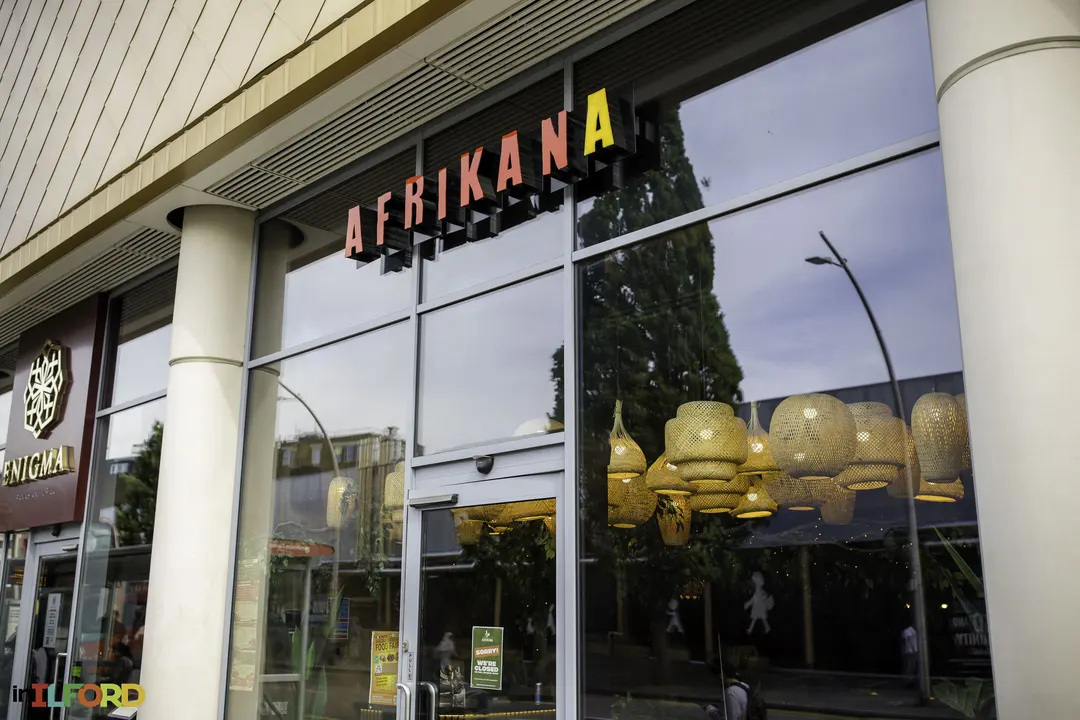
Consider the case of Afrikana, a restaurant located in one of Birmingham's busiest entertainment hotspots. Surrounded by established restaurants, cinemas, and attractions, the brand needed to generate immense pre-launch anticipation to stand out. The solution wasn't a traditional ad campaign—it was a carefully orchestrated content marketing strategy that blended influencer partnerships with community giveaways.
By partnering with a major TikTok creator, Afrikana reached a younger demographic that traditional media couldn't touch. The influencer's authentic content—showcasing the vibrant atmosphere, the unique dishes, and the energy of the space—created a buzz that felt organic, not forced. Combined with high-value incentives that encouraged sharing and engagement, the campaign turned a simple launch into a community event.
The results spoke for themselves: massive online engagement, a packed opening night, and a customer base that felt personally invested in the brand's success. This is the power of content marketing done right—it doesn't just announce your presence; it invites people to be part of your story.
Building a Content Engine That Works
So, what does a successful content marketing strategy look like for food and beverage brands in 2026? It's not about one-off campaigns; it's about building a sustainable content engine that consistently delivers value.
Know Your Audience Deeply
The first step is understanding who you're talking to. Are you targeting Gen Z foodies who live on TikTok? Busy professionals looking for quick, healthy options? Families seeking a fun night out? Each audience requires a different content approach.
For example, a brand targeting younger demographics might focus on short-form video content, interactive polls, and user-generated content campaigns. A brand targeting families might lean into storytelling, behind-the-scenes content, and community events. The key is to meet your audience where they are, with content that speaks their language.
Diversify Your Content Formats
Gone are the days when a single blog post or Facebook update was enough. Today's content marketing requires a multi-format approach:
- Video content: Short-form videos for TikTok and Reels, longer-form content for YouTube, and live streams for real-time engagement.
- User-generated content: Encourage customers to share their experiences and feature their posts on your channels.
- Educational content: Share recipes, ingredient sourcing stories, or nutritional insights that add value beyond the meal.
- Interactive content: Polls, quizzes, and contests that get your audience involved and invested.
Leverage Influencer Partnerships Strategically
Influencer marketing isn't new, but it's evolving. The most effective partnerships are authentic and long-term, not transactional. Instead of paying for a single post, consider building relationships with creators who genuinely love your brand and can tell your story over time.
Afrikana's campaign demonstrates this perfectly. By partnering with a creator who had a genuine connection to the brand's vibe and audience, the campaign felt less like an ad and more like a recommendation from a trusted friend. That authenticity is priceless in today's skeptical market.
Measure What Matters
Finally, don't just create content—track its impact. Look beyond vanity metrics like likes and shares. Focus on engagement rates, conversion metrics, and customer retention. Are people actually visiting your restaurant after seeing your content? Are they coming back? Are they telling their friends?
Tools like Google Analytics, social media insights, and customer feedback surveys can help you understand what's working and what needs adjustment. The goal is continuous improvement, not perfection.
The Future of F&B Content Marketing
As we look toward 2026, several trends are shaping the future of content marketing for food and beverage brands:
- Personalization at scale: AI-powered tools will allow brands to deliver personalized content experiences to different audience segments, from tailored email campaigns to dynamic website content.
- Sustainability storytelling: Consumers increasingly care about where their food comes from and how it's produced. Brands that share their sustainability journey authentically will build deeper trust.
- Community-driven content: The most successful brands will treat their customers as collaborators, not just consumers. User-generated content, co-created menu items, and community events will become standard practice.
- Immersive experiences: Augmented reality (AR) and virtual reality (VR) are beginning to enter the F&B space, offering new ways to engage customers—from virtual menu previews to interactive dining experiences.
Ready to Transform Your F&B Brand?
Content marketing isn't a quick fix; it's a long-term investment in your brand's relationship with its customers. But when done right, it can transform a new restaurant into a community staple, or a struggling brand into a local favorite.
At Centauri, we specialize in helping food and beverage brands cut through the noise with strategies that are as creative as they are effective. Whether you're planning a launch, refreshing your brand, or looking to build a sustainable content engine, we're here to help.
Explore our Marketing services (opens in a new tab) to learn how we can craft a content strategy that drives real results.
The table is set. The opportunity is yours. Let's make your brand the one everyone's talking about.