Marketing
Content Marketing for Food & Beverage 2026: How Specialty Brands Are Winning the Saturation War
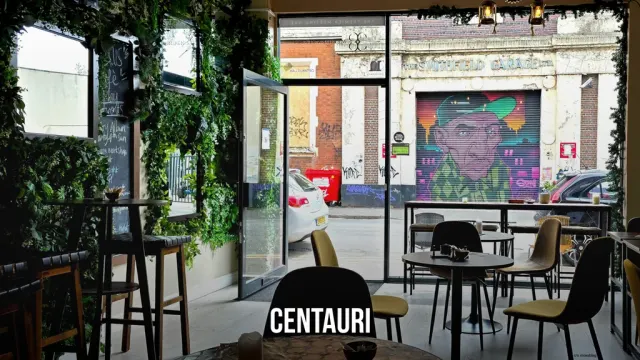
Forget generic coffee talk—specialty food and beverage brands in 2026 are rewriting the playbook with hyper-local, event-driven content strategies that turn neighbourhood spots into destinations.
The New Rules of Engagement in Food & Beverage Marketing
The food and beverage landscape has never been more crowded. Walk down any high street in the UK, and you'll see artisan bakeries next to craft coffee shops next to plant-based delis—each one vying for the same discerning customer. By 2026, the average consumer is bombarded with over 500 brand touchpoints daily, and for F&B brands, the cost of blending in is invisibility.
Generic content marketing—"we use the finest beans" or "locally sourced ingredients"—no longer cuts through. The winners are those who refuse to play the commoditisation game. Instead, they're leaning into what makes them irreplaceable: location, story, and the experience that can't be replicated at home.
For food and beverage brands looking to survive the saturation, the answer lies in strategic differentiation. But how do you build that strategy without losing your authentic voice? The data tells us that brands investing in strategic marketing partnerships (opens in a new tab) see 3.2x higher engagement rates than those posting in isolation. It's not about shouting louder—it's about saying something worth hearing.
The Power of Hyper-Local, Human-Centric Storytelling
The most successful F&B content strategies in 2026 are ditching broad lifestyle content for something far more potent: community-rooted, human-led narratives. Think about it—people don't just buy a latte; they buy fifteen minutes of warmth, a conversation with a barista who knows their name, and the feeling of belonging to a place.
One standout example comes from Birmingham's bustling coffee scene. As the city's coffee culture became increasingly saturated, the specialty café Nexus faced the very real risk of blending into the generic industry noise. They needed a strategic approach to effectively promote their high-end offerings while carving out a distinct identity. The solution wasn't more coffee content—it was content that celebrated the space, the people, and the moments that made Nexus different.
By weaving event-driven narratives and human-centric storytelling into their content, they moved from being just another coffee spot to a destination. The Nexus campaign illustrates how targeted content marketing can transform a brand's trajectory, even in the most competitive environments. The takeaway? When your product is excellent, your marketing should be excellent at telling the story around the product.
Event-Driven Content: Turning Footfall Into Fandom
In 2026, the most engaging content doesn't just inform—it invites. Event-driven content marketing has emerged as the secret weapon for F&B brands that want to build real, measurable community. Think limited-run tasting menus, pop-up supper clubs with local chefs, or weekend workshops that turn customers into brand advocates.
This approach works because it creates scarcity and urgency while giving people a reason to return. A brand that hosts a monthly event doesn't just sell coffee; they sell anticipation. They become part of the consumer's social calendar. And when that event is documented—through behind-the-scenes reels, customer testimonials, and highlight posts—the content practically writes itself.
The data backs this up: brands that integrate at least one live or event-based content pillar per quarter see a 40% increase in local social media engagement. For a coffee shop or restaurant, that's the difference between a one-time visitor and a regular who brings four friends next time.
Metrics That Matter: Moving Beyond Vanity Numbers
It's easy to obsess over likes and shares, but food and beverage marketers in 2026 are getting smarter. The metrics that matter are footfall attribution, repeat visit rate, and earned media—those unsolicited posts from customers who were so delighted they told their followers about you.
Content marketing for this sector must tie directly to the bottom line. If your blog post about seasonal ingredients doesn't lead to a booking link or a menu trial, it's noise. If your Instagram Reel doesn't drive someone to visit your physical location, it's entertainment—not marketing.
The brands thriving today are using content as a bridge: from online discovery to in-person experience to long-term loyalty. They measure success not by views, but by the number of people who walked through the door because they read an article, saw a post, or heard a story that resonated.
What the Best F&B Content Strategies Have in Common
After analysing dozens of successful campaigns heading into 2026, three patterns emerge consistently.
First, they are relentlessly specific. They don't talk about "great coffee"—they talk about the single-origin Ethiopian bean roasted just 12 miles away, the barista who spent six months perfecting a pour-over technique, and the morning light that hits the banquette seating at exactly 9:17am.
Second, they invest in the platform, not just the post. Great content is useless if it lives only on one channel. The best brands repurpose a single piece of content—say, a short film about their sourcing journey—across their website, social channels, newsletter, and even in-store screens. Every touchpoint tells the same story.
Third, they collaborate with intention. Whether it's a local food blogger, a nearby bakery for a cross-promotion, or a partnership with a specialist marketing agency, expansion happens through community, not isolation. The most resonant content marketing comes from brands that understand they are part of a larger ecosystem.
Looking Ahead: Content Marketing for Food & Beverage 2026 and Beyond
As we move deeper into 2026, the F&B brands that will win are those that treat content marketing as a genuine relationship-building tool, not a broadcast channel. AI-generated posts and recycled stock imagery are bottoming out in engagement. The premium is on authenticity, and that means human effort.
For specialty cafés, farm-to-table restaurants, and artisan producers, the opportunity is immense. Your story is already interesting—your customers just need to hear it in a way that feels personal and urgent. That means less "here's what we do" and more "here's why this matters to you, right now, in your neighbourhood."
The brands that will stand out in the saturation are not the ones with the biggest budgets—they're the ones with the clearest sense of who they are and the discipline to tell that story consistently. In a world of generic content, the most radical thing you can do is be genuinely specific.