Marketing
Content Marketing for Food & Beverage 2026: How Sensory Storytelling Wins
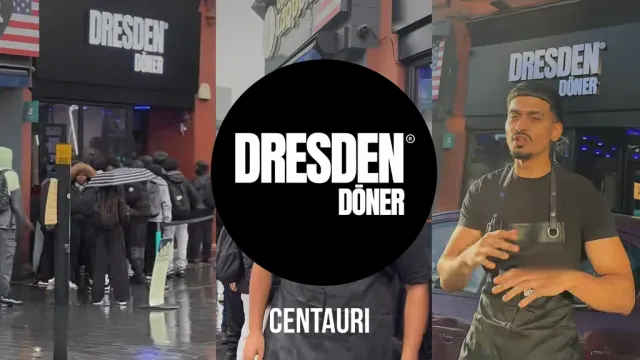
In 2026, content marketing for food and beverage isn't just about showing food—it's about making your audience feel the sizzle, taste the crunch, and know exactly where to find it, and one Birmingham brand proves the method with jaw-dropping numbers.
The Shift to Sensory-Centric Content
Walk into any food and beverage (F&B) social feed in 2026 and you'll notice a clear trend: generic product shots are out; visceral, sensory-rich content is in. The most successful brands are no longer competing on price or location alone—they're competing on feeling. They understand that the brain processes visual food content as if it were real, triggering cravings and desire. This is particularly vital in the crowded F&B space, where scroll-stopping content means the difference between a booking and a skip.
Content Marketing for Food & Beverage 2026 is therefore defined by macro close-ups of sizzling cuts, slow-motion pours, and textured sound design that brings each bite to life. It’s a strategy that transforms a simple post into a sensory experience. And it works. According to recent studies, video content with sensory triggers generates up to 80% higher emotional engagement than standard imagery. But engagement alone isn’t the goal—it’s conversion. And that’s where hyper-local, practical storytelling comes in.
The Role of Hyper-Local Content
For brick-and-mortar restaurants, the challenge is bridging the gap between online inspiration and in-store footfall. In 2026, the most effective content marketing for food and beverage includes a clear path to purchase—literally. Enter the power of intuitive location-mapping videos.
One restaurant that has mastered this is a Birmingham-based halal German doner spot. Instead of relying on generic shots or standalone location tags, they created short video guides showing commuters exactly how to walk from Grand Central station to their door, paired with mouthwatering shots of flame-grilled meat. This approach combined practical, real-world value with sensory appeal, making the video not just beautiful but useful. It’s a tactic that any local eatery can adopt: show your audience how easily you fit into their daily routine, and they’ll reward you with their loyalty.
The results speak for themselves—and they’re not just anecdotal. This single strategy contributed to a 97% engagement rate, over 350,000 views, and 15,000 new followers. Those aren’t vanity metrics; they’re a direct pipeline to a growing community of hungry customers. For F&B brands looking to replicate this success, the focus should be on making your content feel like a natural part of your audience’s journey—both online and offline.
Data That Speaks Volumes
Numbers like 97% engagement, 350k+ views, and 15k+ followers didn’t happen by accident. They came from a deliberate shift away from broadcast-style marketing toward a conversation that feels personal, sensory-driven, and actionable. When you compare that with the average engagement rate for F&B content on Instagram (often hovering around 1–3%), you start to see what’s possible when you combine trend-focused videography with hyper-relevant, local context.
The 97% engagement rate is particularly striking—it includes likes, saves, shares, and comments. Saves, especially, indicate high value: a user who saves your post is saying “I’ll come back to this later.” For a restaurant, that’s a direct proxy for future visits. And the 350,000+ views aren’t just passive impressions; they’re views of content that shows your product in the best possible light and tells people how to get there. That’s the sweet spot where content marketing for food and beverage 2026 really shines.
Why Consistency and Authenticity Matter
Sensory content isn’t a one-off stunt. It requires consistency in tone, quality, and frequency. The Birmingham restaurant didn’t just post one viral video—they wove a continuous thread of premium food shots, trend-hopping reels, and location-based storytelling into a unified brand narrative. Their authentic halal German doner positioning was reinforced every day through macro shots of premium chicken and lamb, coupled with a modern diner aesthetic that felt both familiar and aspirational.
Authenticity also means admitting that not all content needs to be produced in a studio. Some of the highest-performing posts were shot on a phone, capturing the steamy, real-time magic of a busy lunch rush. That raw authenticity builds trust—something that sterile, overproduced imagery often lacks. As part of a broader marketing strategy (opens in a new tab), sensory-driven content becomes a powerful tool for building community, not just clicks.
Preparing for 2026: What Food & Beverage Brands Can Learn
So, what can other F&B brands take away from this? First, stop trying to be everything to everyone. The most successful content marketing for food and beverage in 2026 is niche, specific, and tailored to your audience’s daily habits. If you’re a coffee shop near a university, film the morning rush and show students how to grab and go. If you’re a restaurant near a train station, show commuters the exact route from the platform.
Second, invest in sensory storytelling—close-ups, ambient sound, and real-time moments that evoke taste and smell. And third, use data not just to monitor performance but to refine your content’s utility. If a location video gets high saves, double down on that format. If a behind-the-scenes clip triggers comments, let your audience shape your next post.
Dresden Doner proved what’s possible when you marry creative content with a clear, local focus. Their full story—including the strategic thinking behind each video—is detailed in the case study. But the takeaway is clear: in 2026, the brands that win are the ones that make you feel hungry and tell you exactly where to satisfy that craving. Sensory content plus local utility isn’t just a trend—it’s the new baseline for effective food marketing.
Want the full story? Read our case study with Dresden Doner.