Marketing
Content Marketing for Food & Beverage 2026: How Restaurants Are Winning with Localised Storytelling
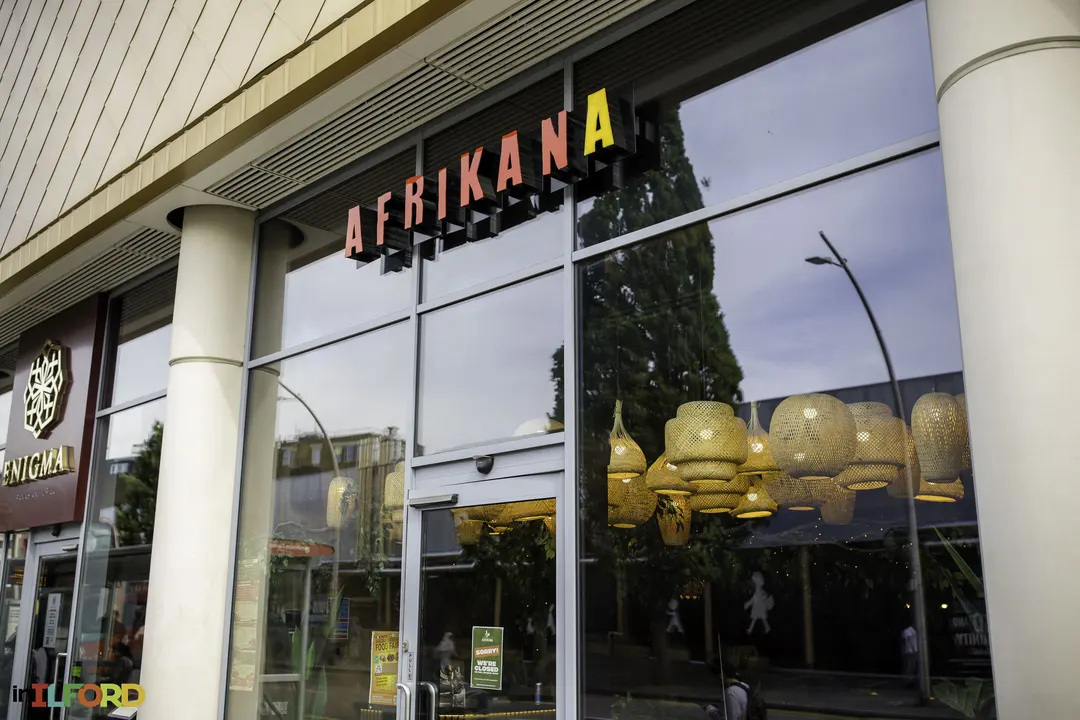
As the Food & Beverage sector becomes increasingly saturated, the brands winning in 2026 are those pairing hyper-local community storytelling with strategic content marketing to build genuine loyalty.
The Food & Beverage industry has always been about more than just food. It’s about atmosphere, identity, and connection. But as 2026 approaches, the rules of engagement have shifted. Generic social media posts and one-size-fits-all advertising no longer cut it. Today’s diners — particularly Gen Z and younger millennials — demand authenticity, community ties, and a story they can believe in. For restaurant brands, that means content marketing for Food & Beverage 2026 must be local-first, experience-driven, and deeply human.
The most successful F&B brands aren’t just serving meals; they’re becoming cultural anchors in their neighbourhoods. They’re using content marketing to turn customers into advocates, and every plate into a conversation starter. This shift isn’t hypothetical — it’s happening now, and the results speak for themselves.
Why Hyper-Local Content Marketing Is the New Differentiator
For years, the default strategy for restaurant marketing was to chase the broadest possible audience. A single campaign, one brand voice, and a hope that it would resonate everywhere. That era is ending. In 2026, the most effective food marketing is tailored to the specific community a restaurant serves.
Why the change? Two reasons. First, post-pandemic diners crave connection. They want to know their local restaurant supports the same causes, celebrates the same events, and understands their daily life. Second, algorithms on platforms like Instagram, TikTok, and even Google Maps now prioritise content that feels relevant to a user’s location and community. If your content isn’t hyper-local, you’re invisible.
For a restaurant opening in a destination like Birmingham’s Star City — a sprawling entertainment complex with cinemas, bowling alleys, and restaurants — the challenge is immense. How do you stand out when every other brand is vying for the same foot traffic? The answer lies in content marketing that doesn’t just announce a location, but weaves the brand into the fabric of the community.
Case in Point: Afrikana’s Star City Launch
When the fast-growing restaurant brand Afrikana — celebrated for its community-driven ethos and modern African-inspired cuisine — prepared to open its new outpost at Star City, they knew a standard launch wouldn’t cut it. The venue is a high-traffic hub, but it’s also crowded with established names. Getting noticed required a content-first approach that felt less like advertising and more like a neighbourhood celebration.
Centauri executed a launch campaign that blended influencer marketing with massive community giveaways. By partnering with a major TikTok creator with a strong local following, the campaign tapped into a younger demographic that values authentic recommendations over polished ads. The high-value incentives drove immediate footfall, but the real win was the organic content generated: user reviews, shares, and check-ins that amplified the brand’s reach without additional spend.
This isn’t a walkthrough; it’s a proof point. The success of Afrikana’s Star City launch demonstrates a fundamental truth: content marketing for food and beverage brands in 2026 isn’t about broadcasting — it’s about embedding. When a restaurant tells a story that the community wants to be part of, the community responds with loyalty and advocacy.
The Three Pillars of Modern Food & Beverage Content Marketing
Drawing from successes like Afrikana’s, plus broader industry trends, here are the core pillars that define content marketing for Food & Beverage 2026:
1. Community-Centric Storytelling
Your restaurant’s story isn’t just about the food. It’s about the people who make it, the neighbourhoods it serves, and the culture it represents. Content that highlights local suppliers, spotlights regular customers, or documents behind-the-scenes prep resonates more deeply than a menu photo.
This pillar demands consistency. A single post about a local charity partnership is nice, but a series that shows ongoing involvement builds trust. For new openings, this means creating a content calendar long before doors open — introducing staff, teasing menu inspirations, and celebrating local landmarks.
2. Influencer Partnerships with Purpose
Influencer marketing is hardly new, but 2026’s version is different. It’s not about mega-celebrities or paid placements that feel fake. It’s about partnering with micro and mid-tier creators who live in the same ZIP code as your restaurant. Their audience trusts their taste, and their content feels like a friend’s recommendation rather than an ad.
The key is giving these creators creative freedom. Let them document their genuine experience — the messy table, the surprised reaction to a new flavour, the impromptu chat with the chef. This raw content outperforms produced ads in engagement and conversion.
3. Data-Driven Giveaways and Incentives
Free food draws crowds, but not all giveaways are equal. Modern content marketing uses giveaways as a tool for data collection and community building, not just foot traffic. For example, requiring entrants to follow your social channels, tag a friend, or share a story creates a ripple effect.
But the real sophistication comes in the follow-up. A giveaway that captures email addresses or social follows is worthless if you don’t nurture that connection with more relevant content. A post-giveaway email series featuring chef interviews, exclusive event invites, or seasonal menu previews transforms a one-time visitor into a repeat guest.
What This Means for Restaurant Marketers in 2026
The F&B landscape is evolving fast, and the brands that thrive will be those that treat content marketing as a strategic function, not an afterthought. That means investing in:
- Local SEO and content: Ensuring your Google Business profile is updated, your website includes neighbourhood-specific landing pages, and your blog or social content references local events and landmarks.
- Video-first storytelling: Short-form video on TikTok and Instagram Reels is non-negotiable. Show the sizzle, the plating, the customer’s first bite. Authenticity beats production value every time.
- Partnerships beyond influencers: Collaborate with local businesses, community organisations, and even rival restaurants for cross-promotion. A content series featuring a coffee shop next door or a brewery across the street builds a network effect.
For marketing leaders looking to build or refine their strategy, Centauri’s Marketing services (opens in a new tab) offer a pathway from concept to execution, grounded in real-world results.
The Bottom Line
Content marketing for Food & Beverage 2026 is not about shouting louder. It’s about belonging. The brands that win will be those that see their restaurant not as a standalone business, but as a thread in the community’s fabric. They’ll tell stories that feel local, partner with creators who feel authentic, and use data to deepen relationships rather than just broadcast messages.
Afrikana’s Star City launch is a single example, but it’s one that scales. Whether you’re a single-location café or a growing chain, the principles are the same: be local, be generous, and be human. The results speak for themselves — in foot traffic, in loyalty, and in the kind of word-of-mouth that no ad budget can buy.