Marketing
Content Marketing for Fashion 2026: The Visual-First Revolution That Brands Can't Ignore
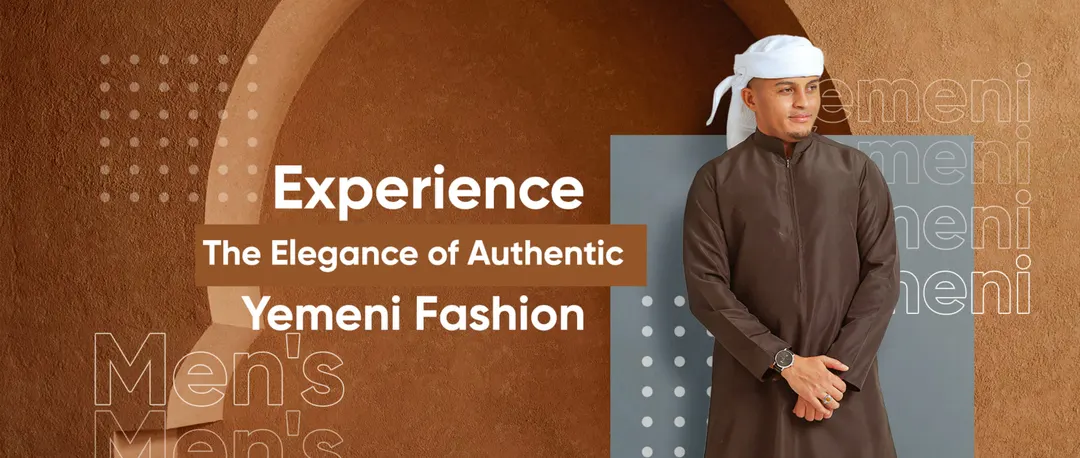
Fashion brands in 2026 must master visual-first content marketing or risk digital irrelevance as algorithms and consumer expectations converge on quality-driven storytelling.
The New Rulebook for Fashion Content
The fashion industry has always been about seeing before believing. Yet for years, many brands treated content marketing as an afterthought—a few product shots here, a seasonal campaign there, something to fill the Instagram grid. In 2026, that approach won't just underperform; it will actively harm brand perception.
Content Marketing for Fashion 2026 isn't about posting more frequently. It's about posting smarter, with visual integrity and narrative structure that mirrors the craftsmanship behind the clothes. Algorithms have evolved. Audiences have become more discerning. And the platforms that matter most—Instagram, Pinterest, even search engines—now reward depth over volume, quality over speed.
Consider this: Google's search algorithms increasingly prioritise "helpful content" that demonstrates expertise, authority, and trust. For fashion brands, that means product descriptions that evoke texture and drape, blog posts that explain tailoring techniques, and video content that lingers on stitching and seams. The brands winning are those treating their digital presence as an extension of the physical garment, not a cheap approximation.
Why Consistency Outshines Virality
The temptation for many fashion marketers is to chase the viral moment—the influencer post that explodes, the behind-the-scenes clip that gets shared into oblivion. But viral content is an unreliable foundation for long-term growth. It's champagne on a Tuesday: exciting, but not sustainable.
What works in 2026 is consistent, high-quality visual storytelling that builds a library of searchable, shareable assets. Every post, every article, every video becomes a piece of a larger mosaic. When a potential customer searches for "bespoke tailoring" or "hand-stitched detailing" and finds your brand repeatedly appearing with coherent, beautiful content, trust compounds.
This is where many niche brands stumble. They have the craftsmanship—the rare skill, the unique process—but they lack the visual vocabulary to communicate it digitally. The solution isn't to mimic fast-fashion giants with their endless budget for lifestyle shoots. It's to lean into what makes the brand different, and to document it with obsessive attention to detail.
Proof in Practice: A Luxury Tailoring Case Study
Take, for example, Arabian Tailor, a brand operating in the crowded but specialised luxury tailoring market. Their challenge was familiar: exceptional product, inconsistent digital presence. Content existed, but it didn't tell a cohesive story. The artistry of their work—the precise hand-stitching, the quality of fabrics, the transformation from flat cloth to finished garment—was lost in translation.
The results of a refined approach speak directly to the principles of Content Marketing for Fashion 2026. By shifting focus toward clean, high-visual assets that captured fabric texture, tailoring precision, and finished presentation, the brand achieved over +336K views on its content. That's not a vanity metric—it's a signal of genuine audience engagement driven by content that educates and inspires simultaneously.
The Craftsmanship of Content Strategy
The parallel between tailoring and content creation is instructive. A master tailor doesn't cut corners. They measure twice, cut once, and inspect every seam. Content marketing for fashion works the same way. Each piece must serve a purpose: educate the customer about quality, reinforce brand positioning, or guide them through the consideration process.
For fashion brands, the most effective content falls into three categories:
- Educational assets that explain craft and materials
- Visual showcases that highlight detail and finish
- Narrative content that connects the maker to the wearer
These categories overlap. A behind-the-scenes video showing a garment being hand-finished is both educational and a visual showcase. A blog post about fabric sourcing becomes a narrative about values and provenance.
The brands that master this trifecta build authority that translates to trust, and trust that translates to sales.
What Algorithms Reward in 2026
Search and social algorithms in 2026 have become remarkably sophisticated at detecting genuine quality. They no longer reward keyword stuffing or thin content. Instead, they look for signals of user satisfaction: time on page, scroll depth, share rates, and return visits.
For fashion content, this means:
- High-resolution images with descriptive alt text
- Video content that holds viewer attention beyond three seconds
- Written content that answers specific questions (e.g., "how to identify hand-stitching" or "what makes a garment fully canvassed")
- Internal linking structures that guide users through a brand's story
Brands that treat their websites as living catalogues—regularly updated, richly detailed, and intuitively navigable—consistently outperform those that treat them as static brochures.
The Human Element: Why Storytelling Still Wins
Despite the algorithmic complexity, the core of content marketing remains stubbornly human. People don't buy clothes; they buy identity, aspiration, and confidence. The brands winning in 2026 are those that understand this and build content that speaks to emotion as much as function.
Storytelling in fashion content marketing works because it bridges the gap between product and person. When a brand shares the journey of a garment—from sketch to sample to final stitch—they invite the customer into a relationship. The customer isn't just buying a jacket; they're buying into the story of that jacket, the hands that made it, the history of the house that designed it.
This is especially powerful for niche and luxury brands. In a market saturated with mass-produced options, the story becomes the differentiator. It's why small brands with strong narratives can command premium prices and loyal followings, while faceless competitors struggle to stand out.
Building a Sustainable Content Machine
Many fashion brands start content marketing with enthusiasm, only to abandon it when results don't materialise overnight. But content marketing is not a campaign; it's a capability. The brands that succeed are those that build systems for consistent content production, not one-off bursts of activity.
This involves:
- Content calendars planned quarterly, not weekly
- Asset libraries that archive and tag visual content for reuse
- Performance tracking that connects content to business outcomes
- Experimentation with formats while maintaining visual consistency
The investment in these systems pays compounding returns. Every piece of content becomes a permanent asset, discoverable long after publication. A blog post written today might drive traffic for years. A video produced for one campaign can be repurposed across multiple channels.
For fashion brands looking to build this capability without a dedicated in-house team, a marketing strategy (opens in a new tab) that prioritises content quality and consistency is often the smartest investment.
Looking Ahead to 2026 and Beyond
The fashion brands that dominate the next year will be those that treat content as a product in itself—designed, refined, and delivered with the same care as the garments they sell. The idea that content is a secondary concern is outdated. In a digital-first world, content is the storefront, the salesperson, and the after-sales service all in one.
Content Marketing for Fashion 2026 demands a shift in mindset: from broadcasting to conversation, from volume to value, from occasional to continuous. The brands that make this shift will find that the algorithms, the search engines, and most importantly, the customers, reward them with attention, loyalty, and revenue.
The fabric of fashion marketing is being rewoven. The threads are visual, the pattern is strategic, and the result, for those who invest, is a presence that endures beyond any single season or trend.