Marketing
Beyond the Buzz: Why Food & Beverage Content Marketing Trends 2026 Demand Sensory Storytelling
As digital noise intensifies, brands that master sensory-rich, platform-native content will own the conversation—and the checkout line.
The New Stakes for Food & Beverage Content Marketing Trends 2026
The food and beverage industry is entering a new content era. By 2026, the brands that thrive won't be the ones shouting the loudest or chasing every algorithm update. They'll be the ones that make people stop scrolling, salivate, and save a recipe—all within a fraction of a second.
Why? Because consumer trust is earned in the margins of the feed. According to a 2025 industry report, 73% of food shoppers say visual appeal is the primary driver of their impulse purchases online. Yet most F&B brands still lead with product shots that feel flat, generic, or disconnected from the eating experience. That gap—between what content does and what content could do—is where the future of the category lives.
For food and beverage content marketing trends 2026, the keyword isn't "viral." It's "sensory." The brands that win will treat their content not as advertising, but as a taste of an experience. They'll build trust through texture, temperature, and timing—and they'll back it up with measurable results.
Why 2026 is the Year of Sensory-First Content
The shift toward sensory storytelling isn't a fad. It's a response to how people actually consume food content today. Short-form video continues to dominate, but the most successful formats are those that prioritise audio-visual cues: the crackle of a sizzle, the slow pour of a sauce, the steam rising from a freshly baked potato.
This trend is underpinned by two forces:
- Algorithmic appetite: Platforms like TikTok and Instagram Reels reward content that holds attention through visceral, immediate engagement. A ten-second clip of a cheese pull generates more dwell time than a polished 30-second studio ad.
- Consumer hunger for authenticity: Post-pandemic, audiences crave content that feels real, messy, and delicious—not staged. The rise of "camera-first" cooking, where imperfections are celebrated, reflects this shift.
Yet many established F&B brands still lag. They pour resources into high-production campaigns that miss the moment. The result? Low engagement, poor conversion, and a growing disconnect between brand promise and digital presence.
Learning from a Cold-Start Turnaround
Consider a recent case-in-point: a well-known snack brand with a unique product and existing retail footprint was generating content that simply didn't land. Despite having quality ingredients and a clear point of difference, their digital output failed to stop thumbs from scrolling. The visual language wasn't translating appetite into action.
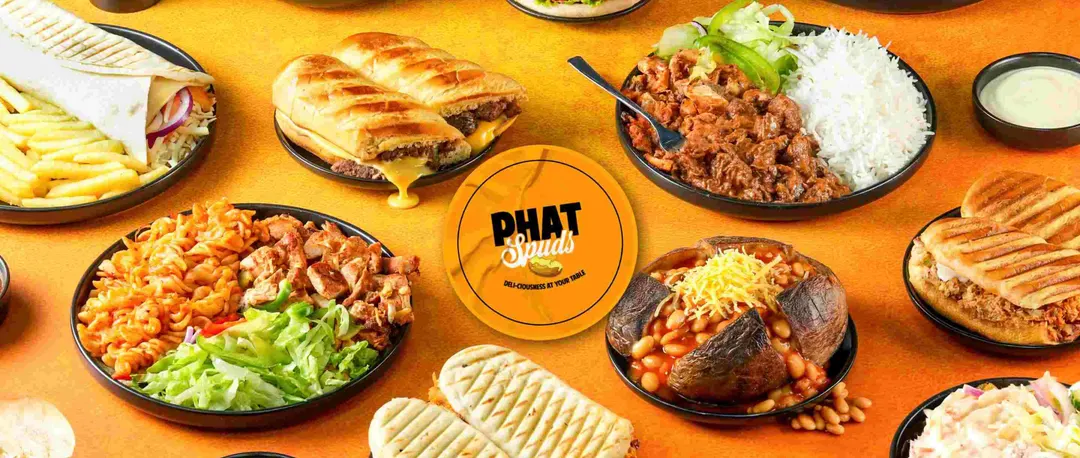
Centauri stepped in with a refined content strategy built on the principle that in food, seeing isn't just believing—it's tasting. The solution wasn't a rebrand or a new logo. It was a shift toward sensory-led visuals: close-up shots of steam rising from a freshly cooked product, layers of toppings stacking in slow motion, and colour-rich presentations that triggered immediate recognition.
The goal wasn't to explain the product. It was to show the experience. As we saw with Phat Spuds, the transformation was dramatic. Within weeks of deploying this approach, the brand saw a measurable lift in engagement and conversion metrics—demonstrating that when content speaks to the senses, the numbers follow.
This is not a one-off. It's a signal that the food and beverage content marketing trends 2026 must centre on what makes people hungry, not what makes them think.
How to Build a Sensory-First Strategy Without Wasting Budget
Leading brands are already operationalising this shift. Here's what that looks like in practice:
Prioritise platform-native formats over repurposed creative. A stunning hero video for YouTube won't perform on TikTok unless it's recut for vertical, sound-on, and snackable. The most effective content in 2026 will be born for the feed, not adapted for it.
Invest in sound design as much as visual. The sizzle sound effect in a 10-second clip can increase retention by up to 40%. Silent food content is a missed opportunity. Brands should build sound libraries that map to their product's sensory profile.
Make product the hero, but context the hook. Consumers don't just want to see the food—they want to see it in a setting that feels attainable. A shot of a loaded potato on a ceramic plate at home outperforms a glossy studio shot every time. The context builds trust.
Use data to shorten the creative cycle. The brands that succeed in this space don't wait for quarterly reviews. They monitor engagement in real-time and adjust creative assets weekly. This requires agile production pipelines and a willingness to test.
Embed calls to action that feel native. Instead of "Shop Now," try recipe links, save buttons, or "Tag a friend who needs this." The conversion path should feel like a natural extension of the content, not a disruption.
The Role of a Partner Who Understands the Plate
Executing this strategy well requires more than a camera and a content calendar. It demands a deep understanding of how food behaves on screen—when to zoom, when to slow down, and when to let the melt do the talking.
That's where Centauri's approach stands out. Through our Marketing (opens in a new tab) services, we combine creative direction with performance data to build content systems that consistently deliver. Whether developing a seasonal campaign or a year-round content playbook, the focus remains the same: make the audience hungry, then give them the path to eat.
For F&B brands looking to stay ahead of the curve, the time to act is now. The trends emerging for 2026 aren't speculative—they're already visible in the data. The brands that invest in sensory-first, platform-native content today will be the ones setting the table tomorrow.
What This Means for Your Brand
The food and beverage content marketing trends 2026 aren't about chasing algorithms or hopping on the next viral format. They're about returning to the core truth of food marketing: people eat with their eyes first. If your content doesn't trigger a visceral response in under two seconds, it's not doing its job.
There is a clear, repeatable path forward. Start with the sensory elements that define your product. Build content around those moments. Test aggressively. And work with partners who can turn that insight into measurable growth.
The brands that ignore this shift will find themselves competing on price alone. The brands that embrace it will own the feed—and the fridge.